Beyond the Basics: Unlocking Peak Performance with Polyurethane (PU) Timing Belts Across Industries
- Share
- Issue Time
- Oct 21,2025
Summary
Discover the superior performance of Polyurethane (PU) timing belts. Engineered for precision, durability, and unmatched versatility, these belts are the driving force behind modern automation, manufacturing, and high-tech applications. Learn how they optimize efficiency where others fall short.
Unlocking a New Standard in Power Transmission
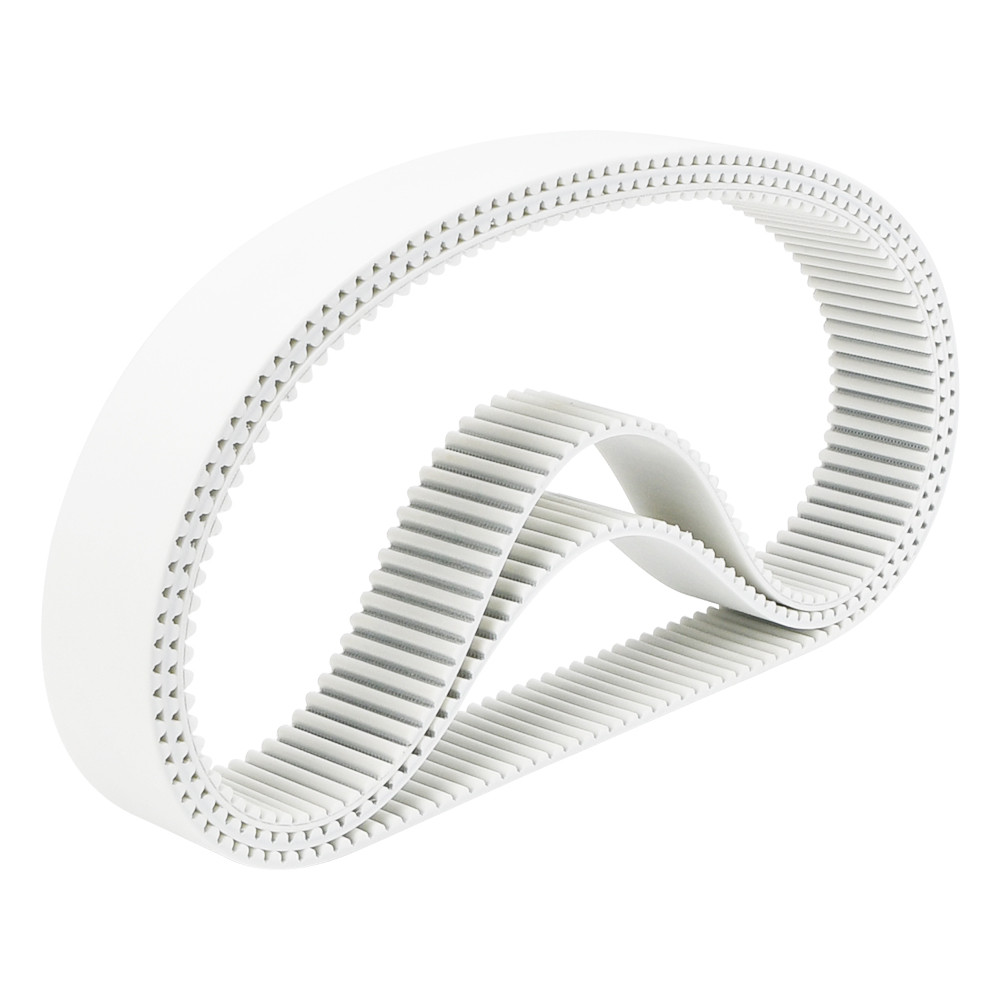
In the landscape of modern mechanical systems, precision, reliability, and efficiency are not just goals; they are requirements. At the heart of countless automated processes lies a critical component: the timing belt. While traditional rubber belts have long been a standard, Polyurethane (PU) timing belts have emerged as a high-performance alternative, setting new benchmarks for durability and accuracy. Crafted from robust thermoplastic polyurethane and reinforced with high-strength tension members like steel or Kevlar, PU timing belts offer a unique combination of flexibility, strength, and dimensional stability that makes them indispensable across a wide spectrum of industries.
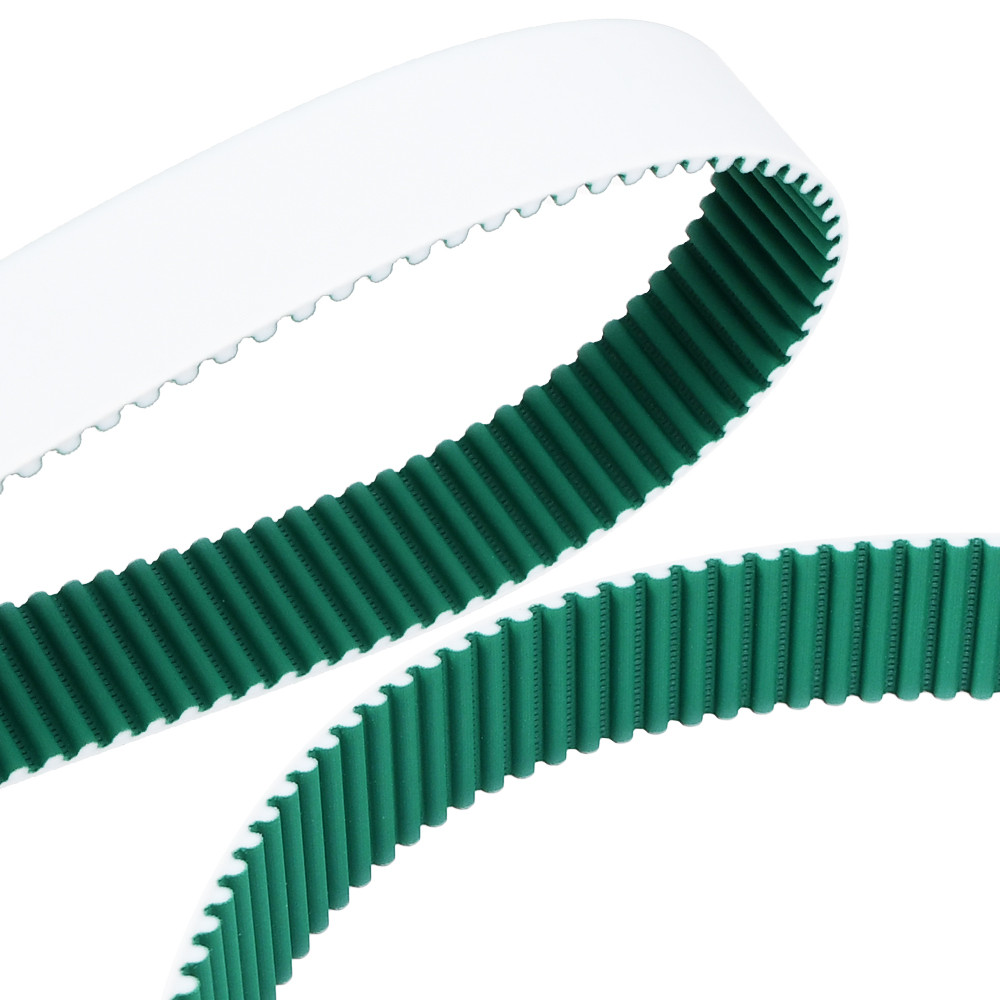
From the sterile environments of food processing to the high-speed demands of robotic automation, PU timing belts deliver consistent, slip-free power transmission. Their inherent resistance to wear, chemicals, and oils ensures a long, low-maintenance service life, translating directly into reduced downtime and lower operational costs. This article explores the vast applications of PU timing belts, delves into their key advantages, and provides a clear guide to why they are often the superior choice for your most demanding applications.
The Core Advantage: Why Choose PU?
Polyurethane timing belts are not just an alternative; they are an upgrade. Their material composition provides significant advantages over traditional materials. The polyurethane body is exceptionally resistant to abrasion and tearing, meaning it does not shed particles like rubber. This non-crumbling, clean operation is crucial in sensitive environments. Furthermore, their excellent dimensional stability means they do not stretch or elongate over time, ensuring that timing and positioning remain precise throughout the belt's life.
Precision in Motion: Automation and Robotics
High-speed automation is where PU timing belts truly shine. In applications like pick-and-place robots, linear actuators, and CNC machining, absolute precision is non-negotiable. PU belts guarantee highly accurate synchronization and positioning due to their low elongation and precise tooth profiles. The absence of dust generation makes them ideal for cleanroom environments, such as those in electronics manufacturing, where contamination from degrading rubber particles could be catastrophic.
Hygiene and Reliability: The Food and Beverage Industry
The food processing industry operates under stringent hygiene standards. PU timing belts are perfectly suited for these environments. Many are available in FDA-compliant materials. Their non-porous surface resists moisture, oils, and fats, and they can be cleaned easily. Special versions with fully encapsulated cords prevent bacterial growth and ensure product safety. Whether for conveying, cutting, or packaging, these belts provide reliable, clean, and slip-free operation.
Resilience and Accuracy: Packaging and Printing
In packaging and printing machinery, timing is everything. PU timing belts enable the precise synchronization required for operations like labeling, sealing, cutting, and paper feeding. Their high stiffness and resistance to wear ensure that this accuracy is maintained over millions of cycles, reducing errors and material waste. The belts' resistance to inks and solvents common in the printing industry further extends their lifespan and reliability.
Strength Under Pressure: Material Handling and Logistics
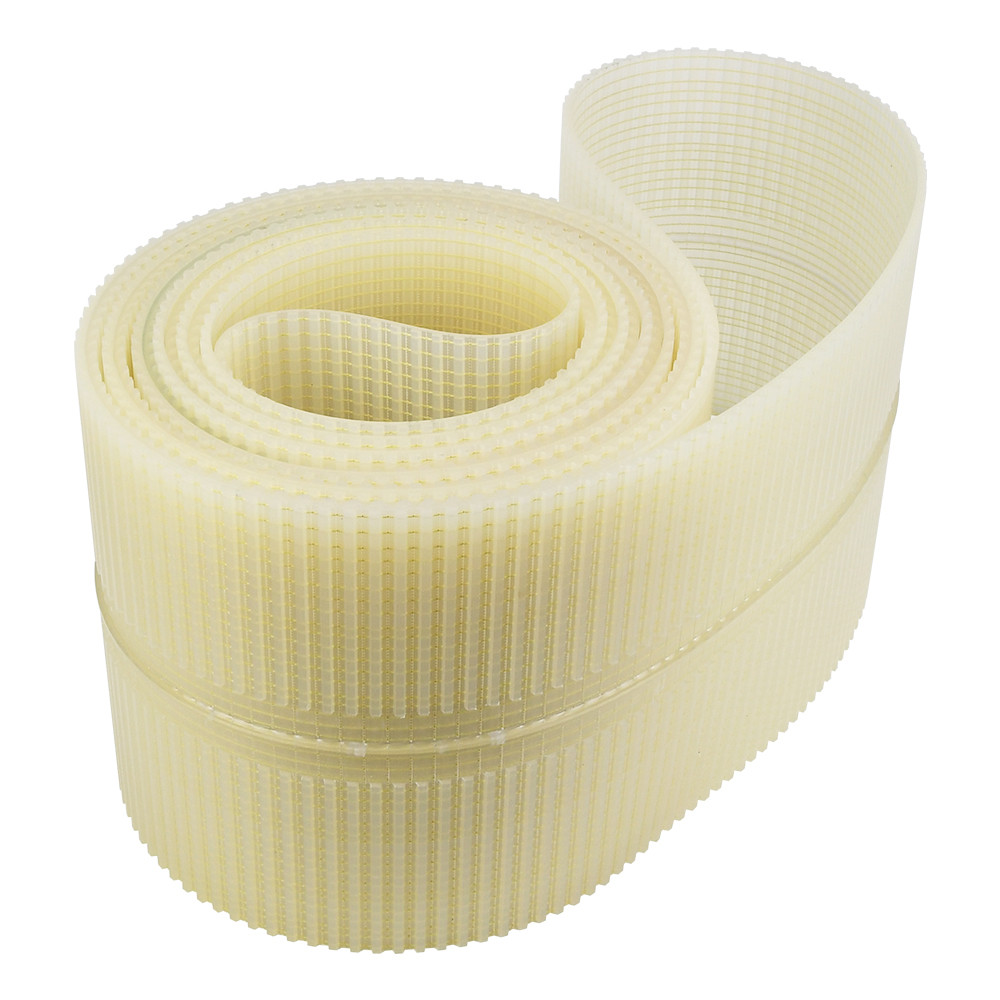
Automated warehousing and intralogistics systems rely on dependable, 24/7 operation. PU timing belts are used in conveyor systems and vertical lifts to move goods efficiently. Their high tensile strength allows them to handle heavy loads without stretching, while their durability minimizes the need for maintenance and costly downtime. Open-ended PU belts are particularly useful in long linear conveying systems, offering customizable lengths for any application.
The Heart of the Machine: General Manufacturing and Machine Tools
From woodworking and textiles to glass processing and machine tools, PU timing belts are a versatile solution for power transmission. In textile machinery, they ensure the precise synchronous operation of weaving and knitting machines. In glass manufacturing, special soft coatings can be applied to the back of the belt to prevent scratching or marking delicate surfaces. Their ability to operate at high speeds with low noise makes for a more efficient and pleasant production environment.
Customization: Tailoring Belts to Your Needs
One of the most significant advantages of PU timing belts is their high degree of customizability. Unlike many one-size-fits-all solutions, polyurethane belts can be engineered for specific tasks. This includes:
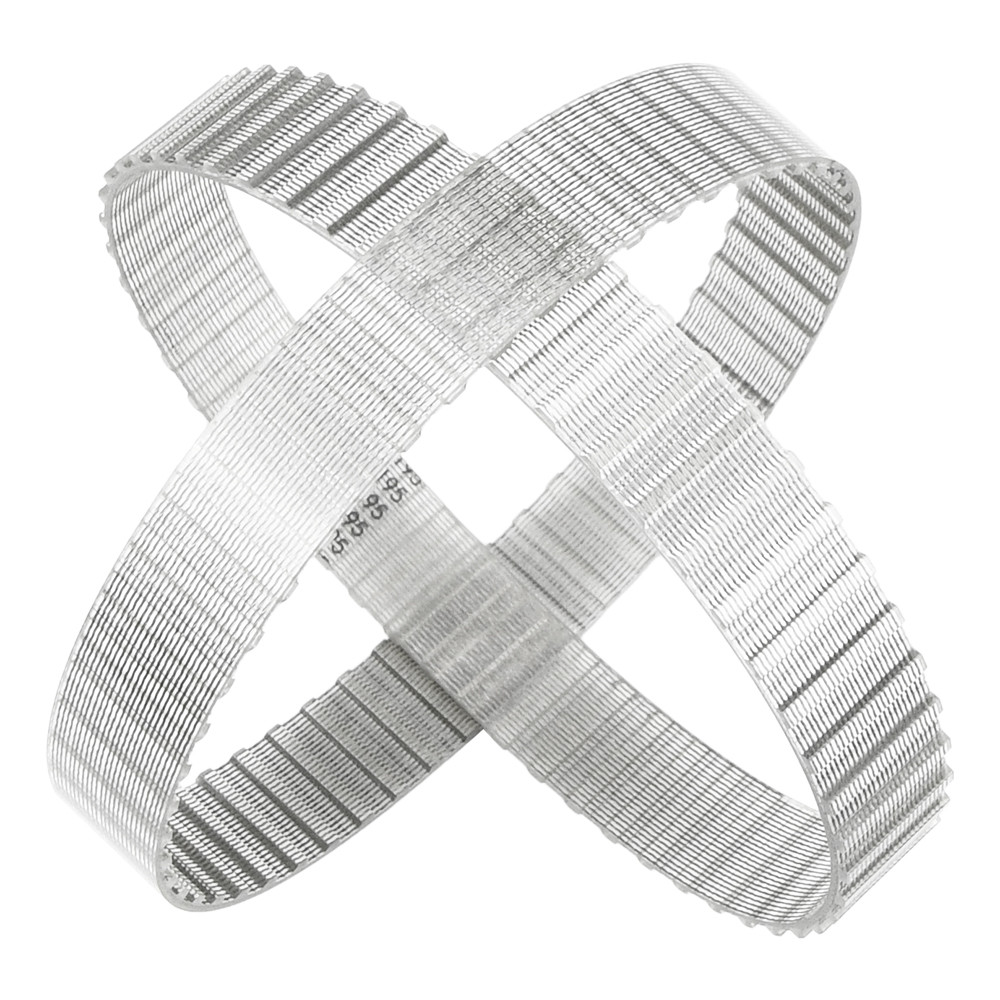
- Reinforcement Cords: Choosing between steel for high tensile strength or Kevlar for greater flexibility and corrosion resistance.
- Backings and Coatings: Different materials can be applied to the back of the belt to modify friction, increase wear resistance, or protect conveyed products.
- Profiles and Cleats: Cleats can be welded onto the belt to move products with precise spacing and positioning.
- Machining: Belts can be perforated, milled, or ground for unique applications, such as vacuum conveying.
Steel vs. Kevlar Reinforcement: Which Cord is Right for You?
| Feature | Steel Cord | Kevlar (Aramid) Cord |
|---|---|---|
| Tensile Strength | Very High | High |
| Flexibility | Medium | High (Suitable for smaller pulley diameters) |
| Weight | Heavy | Light |
| Corrosion | Lower Resistance (can be galvanized) | Excellent Resistance |
| Ideal Application | High-load linear positioning, heavy-duty drives | High-speed drives, serpentine routes, corrosive environments |
A Clear Comparison: PU vs. Rubber Timing Belts
While rubber belts are economical and effective for many general-purpose applications, PU belts excel in demanding environments. PU offers superior wear and abrasion resistance, meaning it lasts longer under harsh conditions. It has better chemical resistance to oils, greases, and solvents. Critically, PU provides higher precision due to its dimensional stability and lower elongation. While rubber may be better for certain high-temperature applications or where extreme shock absorption is needed, PU is the clear choice for precision, cleanliness, and durability.
Maximizing Lifespan and Performance
To get the most out of a PU timing belt, proper installation and maintenance are key. This includes ensuring correct tensioning—not too tight, not too loose—and precise pulley alignment. Although they are low-maintenance, periodic inspection for any unusual wear can help prevent unexpected failures. By partnering with a knowledgeable supplier, you can ensure you select the optimal belt profile, material, and reinforcement for your machinery, maximizing both performance and return on investment.
Conclusion: The Future of Synchronous Drive Systems
Polyurethane timing belts represent a significant step forward in power transmission technology. Their unparalleled combination of precision, durability, cleanliness, and versatility makes them the ideal solution for a growing number of industries. By replacing conventional belts with advanced PU alternatives, companies can improve productivity, reduce maintenance costs, enhance product quality, and ultimately gain a competitive edge in the marketplace. Whether you are designing a new automated system or upgrading existing machinery, PU timing belts offer a reliable path to optimized performance.