Everything You Should Know About Vulcanized Synchronous Belts
- Share
- Issue Time
- Mar 13,2026
Summary
Vulcanized synchronous belts are crucial components in modern machinery, enabling smooth and synchronized movement across various applications. Their development stems from Charles Goodyear's 1839 accidental discovery of vulcanization, a chemical process that transforms natural rubber into a durable, elastic, and strong material by cross-linking its polymer chains with sulfur. This innovation addressed natural rubber's temperature sensitivity, making it viable for industrial use.
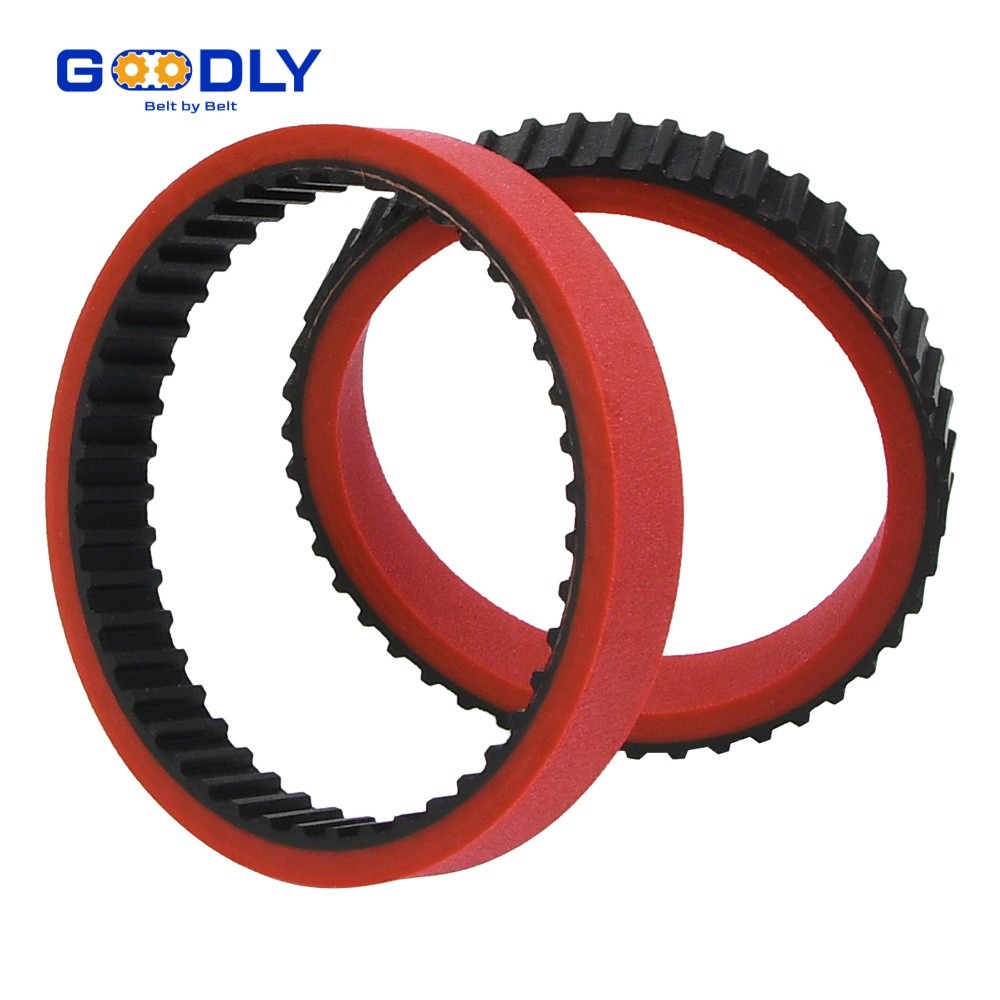
Have you ever wondered what keeps the intricate parts of our machines moving smoothly and in perfect harmony? From the engine of your car to the conveyor belts in factories, there's a vital component working tirelessly behind the scenes: the synchronous belt. But not just any synchronous belt—we're talking about the revolutionary vulcanized synchronous belt.
Today, I want to take you on a journey to explore the world of vulcanized synchronous belts, unraveling their history, understanding what makes them so special, and discovering their countless applications. We’ll delve into the ingenious process of vulcanization and see how it transformed rubber from a temperamental material into the backbone of modern power transmission.
So, buckle up as we learn everything you should know about vulcanized synchronous belts and why they are such an indispensable part of our industrial landscape!
Key Takeaways
For those in a hurry, here are the essential points to understand about vulcanized synchronous belts:
- What is Vulcanization?: It's a chemical process that hardens rubber by heating it with sulfur. This transforms soft, sticky natural rubber into a durable, elastic, and strong material. The process creates cross-links between the rubber's polymer chains, dramatically improving its mechanical properties.
- Historical Significance: The process was discovered by Charles Goodyear in 1839. His accidental finding solved natural rubber's fatal flaw—melting in heat and cracking in cold—which revolutionized the rubber industry and paved the way for modern industrial belts.
- Superior Properties: Vulcanized synchronous belts offer enhanced durability, longevity, and resistance to environmental factors like heat, chemicals, and abrasion. This makes them incredibly reliable in harsh industrial conditions.
- Precision Performance: A key advantage is their toothed design, which engages with grooved pulleys to eliminate slippage. This ensures perfect synchronicity in complex systems, crucial for applications in robotics, automation, and automotive engines.
- Core Components: These belts are typically composed of a vulcanized rubber or polyurethane body, which provides the belt's shape and flexibility, and high-strength reinforcement cords (like fiberglass, steel, or aramid) that bear the load and prevent stretching.
- Wide Range of Applications: You can find vulcanized synchronous belts everywhere, from car timing belts and industrial conveyor systems to robotics, packaging machinery, and even home appliances.
- Maintenance is Key: To ensure a long service life, regular inspection for wear and tear, proper tensioning, and correct pulley alignment are critical. Proper maintenance prevents premature failure and ensures optimal performance.
This article will dive deep into each of these areas, providing you with a comprehensive understanding of why vulcanized synchronous belts are a cornerstone of modern engineering.
A Brief History of Vulcanized Synchronous Belts: From Charles Goodyear to Modern Innovations
The story of the vulcanized synchronous belt is a fascinating tale of accidental discovery, chemical ingenuity, and relentless innovation. It begins with a problematic natural material and culminates in a high-performance component that drives modern industry.
The Early Days of Rubber and its Challenges
Long before it became the versatile material we know today, rubber was a substance of immense potential but deeply flawed. Its journey from a curiosity to an industrial staple was anything but smooth.
Natural Rubber's Limitations
In the early 19th century, "India rubber" was a marvel. Sourced from the latex of trees, it was waterproof and stretchable, sparking the imagination of inventors and entrepreneurs. However, this "miracle material" had a fatal flaw: it was incredibly sensitive to temperature. Natural rubber would melt into a sticky, foul-smelling goo in the summer heat and become hard and brittle, cracking in the winter cold. This instability made it practically useless for most industrial applications, causing the burgeoning American rubber industry to be on the verge of collapse by the mid-1830s.
Charles Goodyear's Accidental Discovery
Enter Charles Goodyear, a determined, self-taught inventor who became obsessed with stabilizing rubber. After years of failed experiments that drove his family into poverty and even landed him in debtor's prison, his breakthrough came by accident. In 1839, Goodyear accidentally dropped a mixture of rubber and sulfur onto a hot stove. To his amazement, the material didn't melt but instead charred like leather, hardening without becoming brittle.
He had stumbled upon the secret. By heating rubber and sulfur together, he could create a new substance that was stable, elastic, and durable, regardless of the temperature. He named this transformative process "vulcanization," after Vulcan, the Roman god of fire. Goodyear patented the process in 1844, and though he sadly died in debt, his discovery would revolutionize countless industries.
The Revolution of Vulcanization
Goodyear's discovery was more than just a new recipe; it was a fundamental chemical transformation that unlocked the true potential of rubber.
What is Vulcanization?
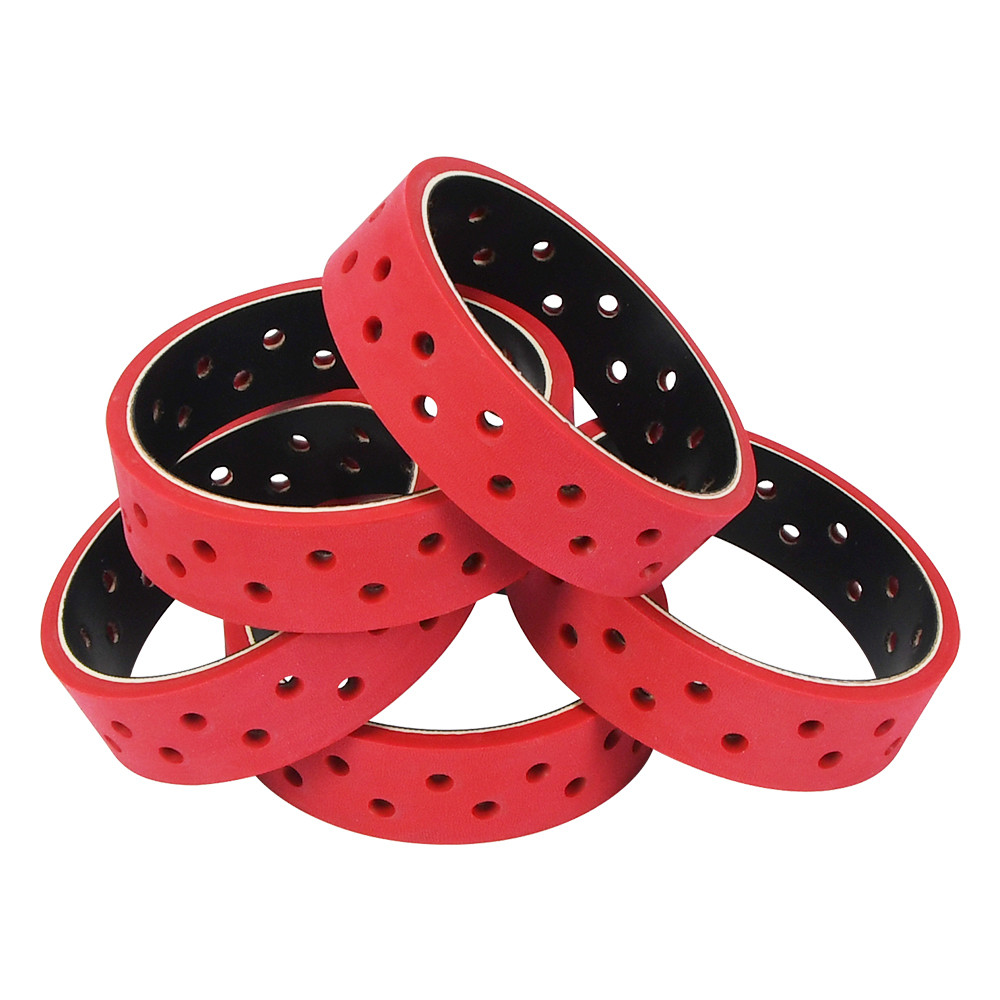
At its core, vulcanization is an irreversible chemical process that cures elastomers like natural rubber. It works by creating cross-links—strong sulfur bridges—between the long, tangled polymer chains of the rubber. Imagine a bowl of uncooked spaghetti; the strands can slide past each other easily. Vulcanization is like adding a binding agent that links those strands together, creating a robust, three-dimensional network.
This process is typically achieved by mixing rubber with a vulcanizing agent (most commonly sulfur) and other additives, then applying heat and pressure for a specific amount of time. These three variables—time, temperature, and pressure—are critical to achieving the desired properties in the final product.
How Vulcanization Transformed Vulcanized Synchronous Belts
Before vulcanization, a rubber belt would have been a disaster, stretching, slipping, and failing under the slightest change in conditions. After vulcanization, rubber became the ideal material for power transmission. The process significantly improves several key properties:
- Elasticity and Strength: Vulcanization turns gummy, malleable rubber into a material that bounces back to its original shape, possessing greatly increased tensile strength and tear resistance.
- Durability: The cross-linked structure makes the rubber far more resistant to abrasion, wear, and fatigue. A vulcanized belt can withstand the constant friction and stress of industrial operation, leading to a much longer service life.
- Environmental Resistance: The stable chemical structure provides a robust defense against heat, oxidation, and chemicals, allowing belts to perform reliably in harsh environments.
The invention of the vulcanized rubber V-belt in 1917 was a major step forward, and by the 1940s, the first synchronous (or timing) belts were developed, combining the durability of vulcanized rubber with a toothed design for slip-free power transmission. This fusion of material science and mechanical design created the high-performance vulcanized synchronous belts that are indispensable today.
What Makes Vulcanized Synchronous Belts Superior?
The combination of the vulcanization process and the synchronous (toothed) design results in a power transmission component that is far superior to older flat belts or even standard V-belts in many applications. Their advantages lie in three key areas: durability, environmental resilience, and precision.
Enhanced Durability and Longevity of Vulcanized Synchronous Belts
Durability is a primary concern in any industrial setting, where component failure leads to costly downtime. Vulcanized synchronous belts are engineered specifically for a long and reliable service life. The vulcanization process itself transforms soft rubber into a robust material with enhanced tensile strength and resistance to tearing.
This inherent toughness means the belts can withstand the continuous mechanical stresses of operation. Further, materials used in high-quality belts, such as Hydrogenated Nitrile Butadiene Rubber (HNBR), offer superior properties that contribute to a longer lifespan. Compared to traditional V-belts, which can wear down and require frequent replacement, vulcanized synchronous belts often last two to three times longer, reducing overall maintenance costs and operational interruptions. For businesses that depend on continuous operation, like logistics and manufacturing, this extended lifespan is a significant economic advantage.
Increased Resistance to Environmental Factors
Industrial environments are often hostile, with extreme temperatures, chemical exposure, and abrasive materials. Vulcanized synchronous belts are designed to maintain their integrity under these harsh conditions.
Heat, Chemical, and Abrasion Resistance for Vulcanized Synchronous Belts
The materials chosen for these belts play a critical role in their resilience.
- Heat Resistance: High temperatures, such as those in an engine bay, can cause standard rubber to harden, crack, and fail. Vulcanized belts, especially those made from specialized compounds like silicone or polyurethane, can operate effectively across a wide temperature range. For example, some polyurethane belts can withstand temperatures from -54°C to 140°C (-65°F to 284°F), far exceeding the capabilities of standard neoprene rubber belts.
- Chemical Resistance: Exposure to oils, solvents, coolants, and other corrosive substances can be disastrous for many materials, causing them to soften or swell. Polyurethane synchronous belts, in particular, offer superb resistance to oils, greases, and many chemicals, making them ideal for environments where contamination is a risk.
- Abrasion Resistance: In industries like mining or recycling, abrasive materials can quickly wear down components. The vulcanization process enhances the rubber's ability to resist wear. Polyurethane belts are known for their exceptional abrasion resistance, often outlasting rubber by a significant margin in high-wear applications.
Maintaining Integrity in Harsh Conditions with Vulcanized Synchronous Belts
The ability of these belts to withstand a combination of stressors is what makes them so reliable. The vulcanization process creates a stable chemical structure that resists degradation from UV exposure and oxidation. Reinforcement materials like fiberglass or steel cords embedded within the belt prevent stretching and ensure it maintains its dimensional stability even under thermal expansion and contraction. This robust construction means the belt continues to perform its function correctly, whether in a dusty quarry, a hot engine compartment, or a clean-room environment where chemical resistance is paramount.
Precision and Efficiency in Power Transmission with Vulcanized Synchronous Belts
Beyond just being tough, the primary function of a synchronous belt is to transmit power with unparalleled accuracy and efficiency.
Eliminating Slippage for Optimal Performance
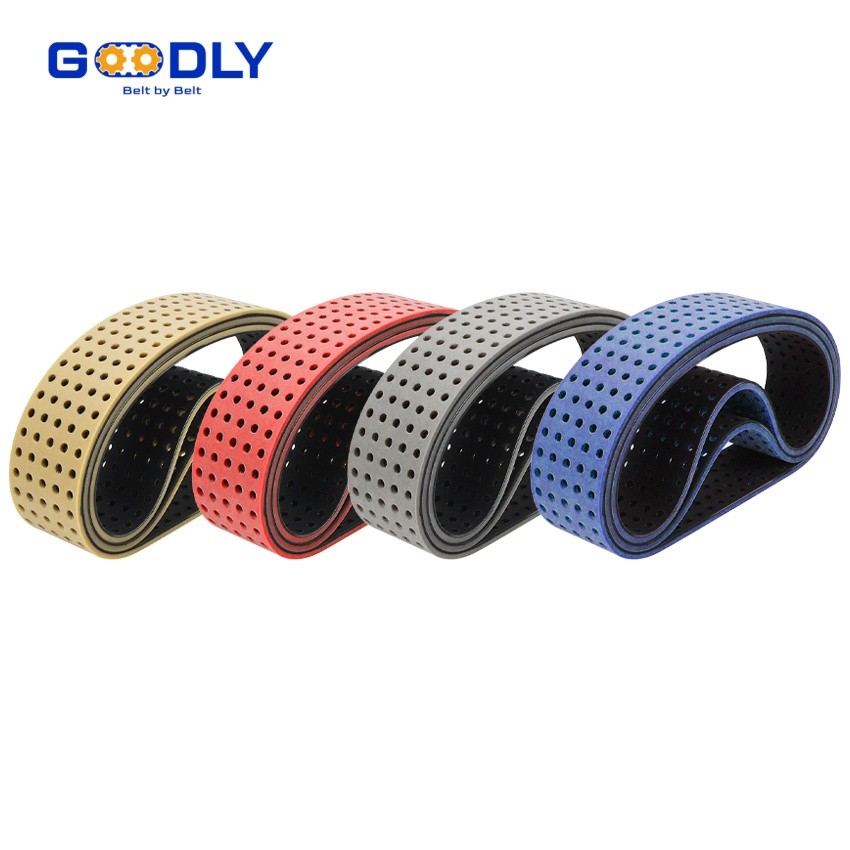
Unlike traditional V-belts that rely on friction to transmit power, synchronous belts use a positive engagement system. Their teeth mesh precisely with the grooves of the pulleys, much like a gear or chain drive. This mechanical lock eliminates the possibility of slippage, which is a common source of inefficiency and inconsistency in V-belt systems.
The result is a highly efficient power transmission system, with synchronous belts typically operating at 98-99% efficiency. This is a noticeable improvement over V-belts, which may start at 95-98% efficiency but can drop by 5-10% as they wear and slip. Less slippage also means less friction, which in turn generates less heat and reduces energy loss, contributing to a more energy-efficient operation.
Maintaining Synchronicity in Complex Systems
The no-slip nature of synchronous belts is critical for applications that require precise timing and coordinated movement. Think of automated assembly lines, robotics, or an engine's camshaft, where the motion of multiple shafts must be perfectly synchronized. Any slippage in these systems could lead to production errors, material blockages, or catastrophic engine damage.
Because vulcanized synchronous belts maintain a constant speed ratio between shafts, they ensure repeatable, predictable performance. This precision is essential in high-tech industries like electronics and pharmaceuticals, where accuracy is non-negotiable. The combination of durability from vulcanization and precision from the toothed design makes these belts a superior choice for any application where power, timing, and reliability are paramount.
The Anatomy and Types of Vulcanized Synchronous Belts
To truly appreciate the engineering behind these components, it's essential to understand their construction and the various forms they take. A vulcanized synchronous belt is more than just a loop of rubber; it's a composite structure where each part plays a critical role in its overall performance.
Key Components of a Vulcanized Synchronous Belt
A synchronous belt is a sophisticated, multi-material component. While designs can vary, they generally consist of three primary parts:
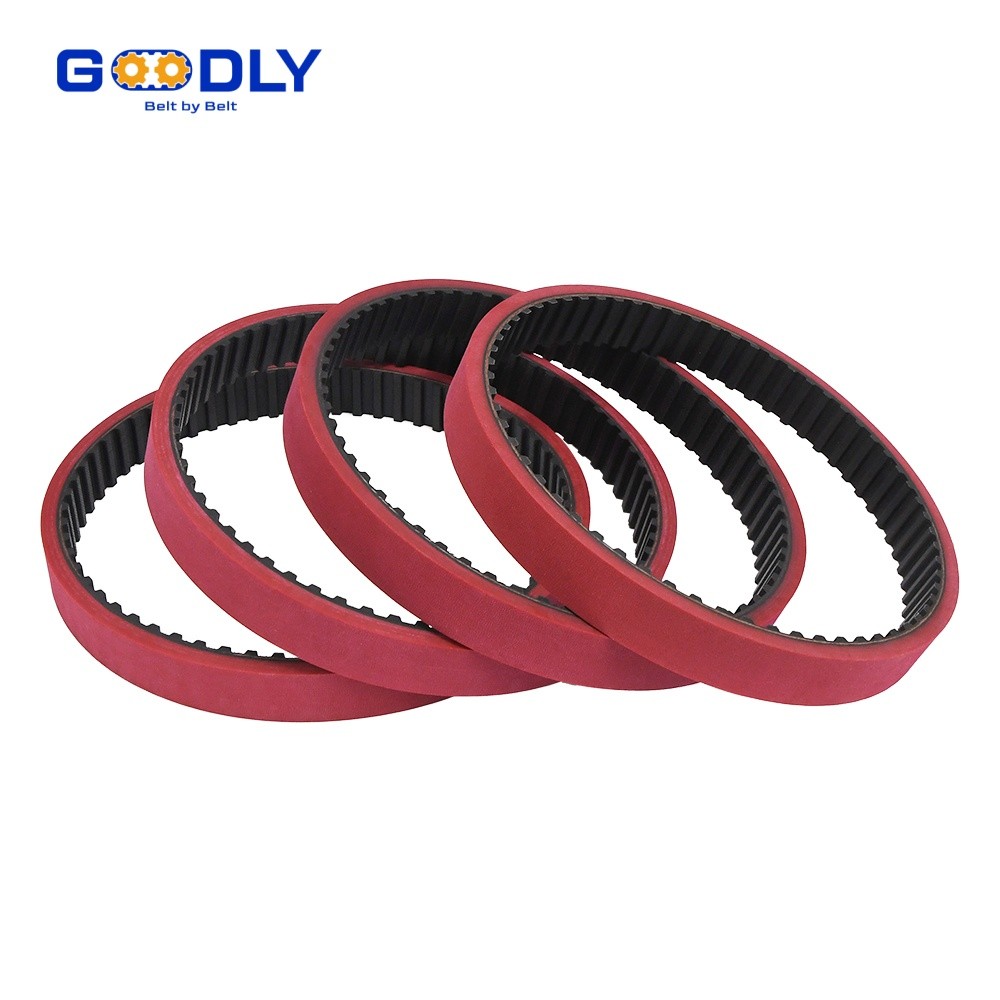
- Body Compound (Rubber or Polyurethane): This is the main body of the belt, which forms the teeth and backing. It is typically made from a high-durability synthetic rubber like Neoprene or a thermoplastic material like polyurethane. The body provides the belt's flexibility, protects the internal components, and its material properties largely define the belt's resistance to heat, chemicals, and wear. The manufacturing process for a rubber belt is complex, involving rubber mixing and vulcanization.
- Reinforcement Cords (Fiberglass, Steel, Aramid): Embedded within the belt body are high-strength tensile cords that run along the length of the belt. These cords are the "muscle," responsible for carrying the tensile load and providing dimensional stability. They prevent the belt from stretching, which ensures the timing and pitch remain accurate throughout its service life. Common materials for these cords include:
- Fiberglass: Offers excellent flex fatigue strength, dimensional stability, and resistance to moisture. It is a common choice for standard rubber synchronous belts.
- Steel: Provides very high tensile strength and low elongation, making it suitable for high-load and precision applications, often used in polyurethane belts.
- Aramid (e.g., Kevlar®): Known for its exceptional strength, low stretch, and excellent resistance to shock and impact loads. Aramid cords are often used in high-performance V-belts to increase load capacity and in synchronous belts for robustness.
- Tooth Facing: The surface of the belt's teeth is often covered with a durable nylon fabric. This facing improves the shear strength of the teeth, reduces friction as the teeth engage and disengage with the pulley, and enhances abrasion resistance.
Different Materials and Their Applications in Vulcanized Synchronous Belts
The choice of body material is critical and dictates the belt's suitability for different operating environments. The two most common options are neoprene (a type of rubber) and polyurethane. For a reliable and durable solution, many industries turn to GOODLY Belts, which offers a range of belts engineered with high-quality materials to meet demanding specifications.
Neoprene Vulcanized Synchronous Belts
Neoprene is a synthetic rubber known for its excellent flexibility, fatigue resistance, and good all-around performance. It generally offers better tolerance to water exposure than polyurethane and tends to operate more quietly. Because of its resilience and cost-effectiveness, neoprene is a popular choice for a wide array of general industrial machinery, material handling systems, and automotive applications.
Polyurethane Vulcanized Synchronous Belts
Polyurethane (PU) synchronous belts are prized for their exceptional durability and clean operation. They offer superior resistance to abrasion, chemicals, and oils compared to rubber belts. This makes them the ideal choice for environments where cleanliness is crucial, such as food processing, pharmaceutical manufacturing, and electronics assembly. PU belts also provide high tensile strength and dimensional stability, making them perfect for high-precision, high-load, and high-speed power transmission systems.
Specialty Vulcanized Synchronous Belts (e.g., Silicone)
For extreme environments, specialty materials are used. Silicone timing belts, for instance, are engineered for applications requiring superior heat resistance. They can often operate at temperatures up to 232°C (450°F) or even higher, making them indispensable in processes like baking, reflow soldering ovens, and rubber vulcanization. In addition to heat tolerance, silicone is non-toxic and resistant to many chemicals, making it suitable for food processing and medical applications where hygiene is paramount.
Here's a comparison table to summarize the key differences:
| Feature | Neoprene (Rubber) Belts | Polyurethane (PU) Belts | Silicone Belts |
|---|---|---|---|
| Primary Advantage | Flexibility & Fatigue Resistance | Abrasion & Chemical Resistance | Extreme Heat Resistance |
| Wear Resistance | Moderate | Excellent | Good |
| Chemical/Oil Resistance | Good | Excellent | Excellent |
| Temperature Range | Moderate, typically -34°C to 100°C (-30°F to 212°F) | Wide, can be -30°C to 80°C (-22°F to 176°F) | Very High, up to 232°C+ (450°F+) |
| Noise Level | Lower | Higher | Moderate |
| Common Applications | General industrial, automotive, material handling | Food processing, packaging, electronics, high-precision drives | High-temperature ovens, baking, pharmaceutical machinery |
| Cleanliness | Good | Excellent (no-dusting) | Excellent (non-toxic) |
Understanding Tooth Profiles of Vulcanized Synchronous Belts
The shape of the belt's teeth is a critical design element that affects load capacity, speed, noise, and precision. Tooth profiles generally fall into two main categories.
Trapezoidal vs. Curvilinear Tooth Designs
Trapezoidal Profiles: These are the classic, original designs (e.g., MXL, XL, L, H). The teeth have a trapezoidal shape and provide good performance for registration and general power transmission. However, the sharp corners of the teeth can create stress concentrations, which may limit their torque capacity and increase wear at high speeds.
Curvilinear (Round) Profiles: Developed to overcome the limitations of trapezoidal teeth, these profiles feature a rounded or circular tooth shape (e.g., HTD®, GT2, STPD). This design distributes stress more evenly, allowing for higher torque transmission and higher speeds with reduced wear. Curvilinear teeth also engage more smoothly with the pulley, resulting in quieter and less vibratory operation, although they may have slightly more backlash than trapezoidal designs. Modified curvilinear profiles further refine this concept for even higher torque capacity and precision, making them ideal for robotics and servo-driven systems.
Ultimately, the right combination of body material, reinforcement cord, and tooth profile depends entirely on the specific demands of the application—be it high-load, high-precision, high-speed, or operation in a hostile environment.
Widespread Applications of Vulcanized Synchronous Belts Across Industries
Thanks to their unique combination of durability, precision, and efficiency, vulcanized synchronous belts are not confined to a single niche. They are unsung heroes found across a vast spectrum of industries, from the engine under your car's hood to the massive machinery in industrial plants and even in the everyday appliances we use at home. Their versatility makes them a cornerstone of modern mechanical design.
Automotive Sector and Vulcanized Synchronous Belts
Perhaps the most well-known application of a synchronous belt is in the automotive world. Their reliability and precision are critical for the proper functioning of an internal combustion engine.
Timing Belts in Engines
The vulcanized synchronous belt, commonly called a "timing belt" in this context, plays a vital role as the "pacemaker" of the engine. It connects the engine's crankshaft to the camshaft(s), ensuring they rotate in perfect synchronization. This precise timing is essential for opening and closing the engine's valves at exactly the right moment in relation to the piston's movement. In an "interference engine," a timing belt failure can be catastrophic, causing the pistons to collide with the open valves, leading to severe and costly engine damage. Given these high stakes, the robust, slip-free performance of a vulcanized synchronous belt is non-negotiable.
Industrial Machinery Utilizing Vulcanized Synchronous Belts
The industrial sector is where synchronous belts truly showcase their power and versatility. They are fundamental components in systems that demand reliable, continuous, and precisely controlled motion.
Conveyor Systems and Material Handling
In manufacturing, warehousing, and logistics, vulcanized conveyor belts are essential for moving products and materials efficiently. Synchronous belts are particularly valuable in conveyor systems that require precise product placement and positioning. Because they don't slip, they ensure that items on the belt move at a consistent speed and maintain exact spacing, which is critical for automated sorting, packaging, and assembly processes. From transporting raw materials like ore in mining operations to moving packages in a distribution center, vulcanized belts provide the durable, reliable performance needed for continuous operation.
Robotics and Automation
The field of robotics and automation is heavily dependent on the precision offered by synchronous belts. These belts are used in robotic arms and other automated systems to facilitate exact, repeatable movements. The belt's ability to transmit power without slippage is crucial for tasks that require a high degree of accuracy, such as picking and placing small electronic components or performing delicate assembly operations. The design flexibility and low maintenance requirements of synchronous belts make them ideal for the complex and dynamic movements found in modern robotics.
Textile and Packaging Industries
In both the textile and packaging industries, speed and precision are key to productivity.
- Textile Industry: Machinery for weaving, knitting, and spinning relies on synchronous belts to ensure that all moving parts operate in perfect harmony. This guarantees consistent fabric quality and reduces the risk of defects. The durability of these belts allows them to withstand the high-speed, continuous operation typical of textile manufacturing.
- Packaging Industry: Synchronous belts are used extensively in packaging machinery for tasks like filling, sealing, labeling, and bundling. Their precise timing ensures that each step of the packaging process happens exactly when it should, allowing for high-speed, efficient production lines with minimal errors.
Everyday Uses and the Impact of Vulcanized Synchronous Belts
While their most prominent roles are in heavy industry and automotive applications, synchronous belts are also present in many of the machines and devices we use daily.
From Home Appliances to Specialized Equipment
The quiet, efficient, and low-maintenance nature of synchronous belts makes them suitable for a variety of consumer goods. You can find them inside:
- Home Appliances: Washing machines, vacuum cleaners, and treadmills often use synchronous belts to transmit power from the motor to the moving parts.
- Power Tools: Drills, sanders, and saws may use synchronous belts for their compact and efficient power transmission.
- Office Equipment: Printers and scanners rely on the precise positioning provided by synchronous belts to move the print head or scanning element with accuracy.
From the largest industrial machines to the compact devices in our homes, the impact of the vulcanized synchronous belt is undeniable. Their ability to deliver reliable, synchronized power makes them a fundamental enabling technology across nearly every sector of the modern world.
Maintaining and Extending the Life of Your Vulcanized Synchronous Belt
A vulcanized synchronous belt is a marvel of engineering, but it's not invincible. Like any hardworking component, it requires proper maintenance to deliver a long, reliable service life. By understanding and implementing key maintenance practices, you can maximize performance, prevent unexpected failures, and protect the machinery that depends on the belt.
Importance of Regular Inspection and Replacement of Vulcanized Synchronous Belts
Proactive maintenance is always more cost-effective than reactive repair. This is especially true for synchronous belts, where failure can lead to catastrophic damage in other parts of the system, such as in an automotive engine.
Regular visual inspections are the first line of defense. While the belt itself is often hidden behind a cover, it's wise to check it periodically for early warning signs of wear and tear. This can include looking for:
- Cracks or Fraying: Small cracks on the back of the belt or fraying along the edges are clear indicators that the rubber is degrading.
- Missing or Worn Teeth: Damaged or worn teeth can lead to the belt slipping or "ratcheting," which compromises timing accuracy.
- Glazing or Hardening: A shiny, glazed appearance on the belt surface suggests it has been subjected to excessive heat and has lost its flexibility.
- Contamination: The presence of oil, grease, or coolant on the belt is a serious issue, as these chemicals break down the rubber and cause premature failure.
Because the rubber materials degrade over time regardless of use, manufacturers recommend replacement at specific mileage or operating-hour intervals. Adhering to this preventative maintenance schedule is the most effective way to avoid a sudden breakdown and ensure the system's ongoing reliability.
Tips for Optimal Performance and Durability of Vulcanized Synchronous Belts
Beyond just inspections, several factors play a crucial role in the day-to-day performance and longevity of a synchronous belt. Proper installation and consideration of the operating environment are key.
Proper Tensioning and Alignment
Correct tension and alignment are arguably the most critical aspects of belt maintenance.
- Tensioning: A synchronous belt must be tensioned correctly to function properly. If the tension is too loose, the belt may slip on the pulleys, jump teeth, or flap, leading to inaccurate timing and excessive wear. If the tension is too tight, it places immense strain on the belt's internal cords and on the bearings of the associated pulleys and shafts, leading to premature failure of both the belt and other expensive components. Using a tension gauge to set the tension to the manufacturer's specification is essential.
- Alignment: The pulleys in the drive system must be perfectly aligned. Misalignment—either parallel (offset) or angular (tilted)—causes the belt to track improperly, resulting in uneven wear on the belt edges and teeth. This can drastically shorten the belt's life and reduce performance. Alignment can be checked using a straightedge or, for greater accuracy, a laser alignment tool.
Environmental Considerations for Vulcanized Synchronous Belts
The operating environment has a significant impact on a belt's lifespan.
- Temperature: Extreme temperatures are a primary enemy of rubber belts. High heat accelerates the aging of the rubber, making it hard and brittle, while very low temperatures can also reduce flexibility and lead to cracking. Keeping ambient temperatures within the belt's specified operating range is crucial for longevity.
- Contamination: The drive system should be kept clean and free of debris. Abrasive particles like dust or metal shavings can cause premature wear. It is especially important to address any fluid leaks immediately. Oil, grease, and other chemicals can quickly degrade the belt material, leading to swelling, softening, and failure.
By implementing a schedule of regular inspections and paying close attention to tension, alignment, and the operating environment, you can ensure that your vulcanized synchronous belt performs reliably for its entire intended service life, saving you time, money, and unexpected downtime.
Frequently Asked Questions (FAQs)
1. What is the main difference between a V-belt and a vulcanized synchronous belt?
The primary difference is how they transmit power. A V-belt relies on friction between its wedge-shaped sides and the pulley groove. A synchronous belt (or timing belt) has molded teeth that mesh with corresponding grooves on the pulley. This creates a positive, mechanical engagement that eliminates slippage, offering higher efficiency and precise timing that V-belts cannot guarantee.
2. Why is the vulcanization process so important for these belts?
Vulcanization is a chemical process that transforms soft, weak natural or synthetic rubber into a strong, durable, and elastic material. It creates cross-links between the rubber's polymer chains, dramatically improving its tensile strength, elasticity, and resistance to heat, abrasion, and chemicals. Without vulcanization, a rubber belt would quickly deform, melt, or crack under typical operating conditions.
3. How often should a vulcanized synchronous belt be replaced?
Replacement intervals are determined by the manufacturer and are specified in terms of mileage (for vehicles) or operating hours (for industrial machinery), as well as a time limit (e.g., every 7 years), whichever comes first. This is because the rubber compounds degrade over time, even without use. Typical intervals for automotive timing belts range from 60,000 to 100,000 miles. Always consult the manufacturer's service manual for your specific equipment.
4. Can I tell if my synchronous belt is about to fail? What are the warning signs?
While some failures are sudden, there are often warning signs. Visually, you might see cracks on the belt's surface, frayed edges, or missing teeth. Audibly, a worn belt or failing tensioner can cause a ticking, whining, or slapping noise from the engine or machine. In vehicles, you might also experience engine misfires, difficulty starting, or oil leaking from the front of the engine. Any of these signs warrant an immediate inspection.
5. What is more important for belt life: proper tension or proper alignment?
Both are critically important and interdependent. Improper tension—either too loose or too tight—can cause slippage, excessive wear, or strain on bearings. Misalignment causes the belt to wear unevenly and can lead to catastrophic failure. One cannot compensate for the other; for a long service life, both tension and alignment must be set to the manufacturer's specifications.
6. Are polyurethane synchronous belts better than neoprene (rubber) ones?
It depends on the application. Polyurethane belts offer superior wear resistance, chemical resistance, and are excellent for clean environments like food processing. Neoprene (rubber) belts typically offer better flexibility, operate more quietly, and have great fatigue resistance, making them a staple for general industrial and automotive uses. The best choice depends on the specific demands of the environment, load, and precision required.
As we’ve explored, the journey of rubber from a sticky, unreliable material to the highly durable and precise vulcanized synchronous belt is a testament to human ingenuity. This incredible process, pioneered by Charles Goodyear, underpins countless modern technologies, ensuring efficiency and reliability in everything from our vehicles to complex industrial systems.
I hope this deep dive has given you a newfound appreciation for the indispensable role that vulcanized synchronous belts play in our world. Their ability to deliver synchronized, slip-free power transmission with impressive durability and resistance truly makes them unsung heroes of engineering.
Remember, understanding the mechanisms behind these crucial components empowers us to make better decisions in maintenance and innovation, ensuring a more efficient and reliable future for all our mechanical endeavors. If you're in need of high-quality, durable belts for your machinery, consider exploring the offerings from a trusted manufacturer like GOODLY Belts to ensure you get a product engineered for performance and longevity.