How to Choose the Right Industrial Belt for Your Machinery: Conveyor Belt, Timing Belt & Transmission Belt Guide
- Share
- Issue Time
- Apr 1,2025
Summary
In modern manufacturing, the right industrial belt can directly affect machine efficiency, production stability, product quality and maintenance cost. Whether you are using a conveyor belt, PU timing belt, rubber timing belt, transmission belt or a customized belt with cleats, holes, coating or guide strips, choosing the correct belt is essential for long-term performance.
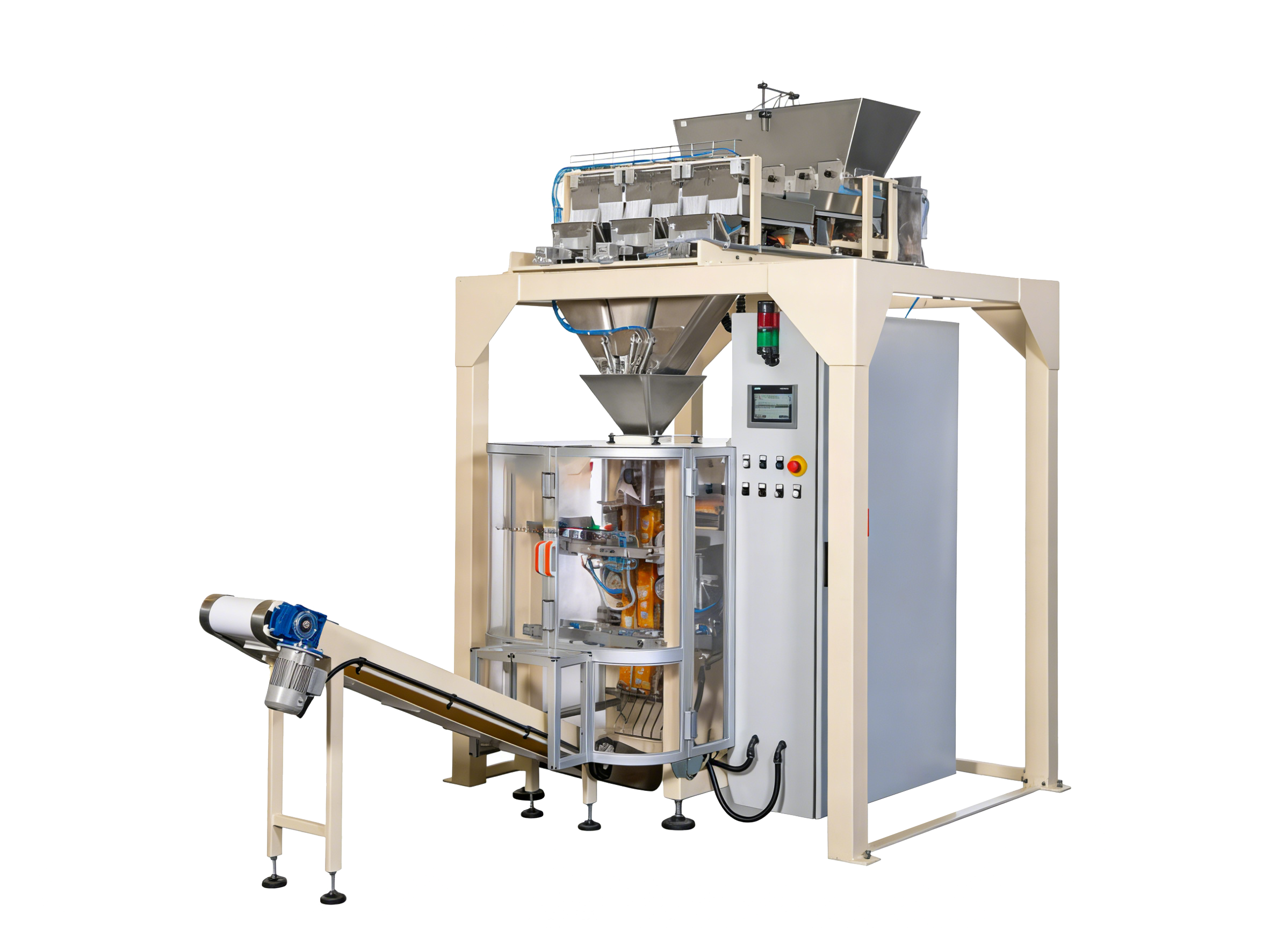
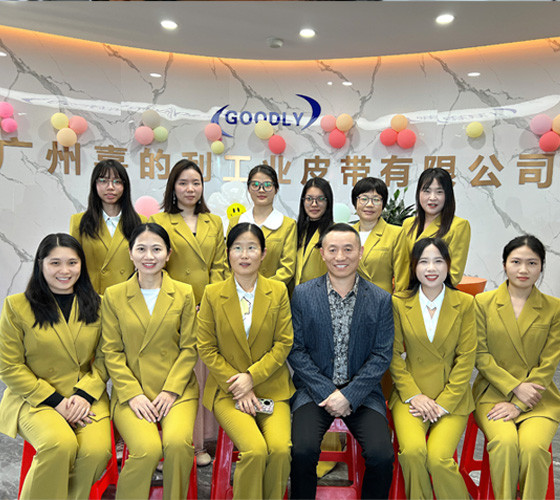
As a professional industrial belt manufacturer, GOODLY Industrial Belt Co., Ltd. provides customized belt solutions for automation equipment, packaging machines, food processing lines, logistics systems, printing machinery, textile equipment, photovoltaic equipment and many other industrial applications.
1. What Is an Industrial Belt?
An industrial belt is a flexible power transmission or conveying component used in machines to transfer motion, transport materials or synchronize mechanical movement. Compared with chain drives or gear systems, industrial belts are often quieter, lighter, easier to maintain and more suitable for high-speed automated production lines.
Common industrial belt types include:
Conveyor belt
PU timing belt
Rubber timing belt
Transmission belt
Flat belt
Synchronous belt
Cleated belt
Coated belt
Perforated belt
Vacuum timing belt
Food grade conveyor belt
Perforated belt
Vacuum timing belt
Food grade conveyor belt
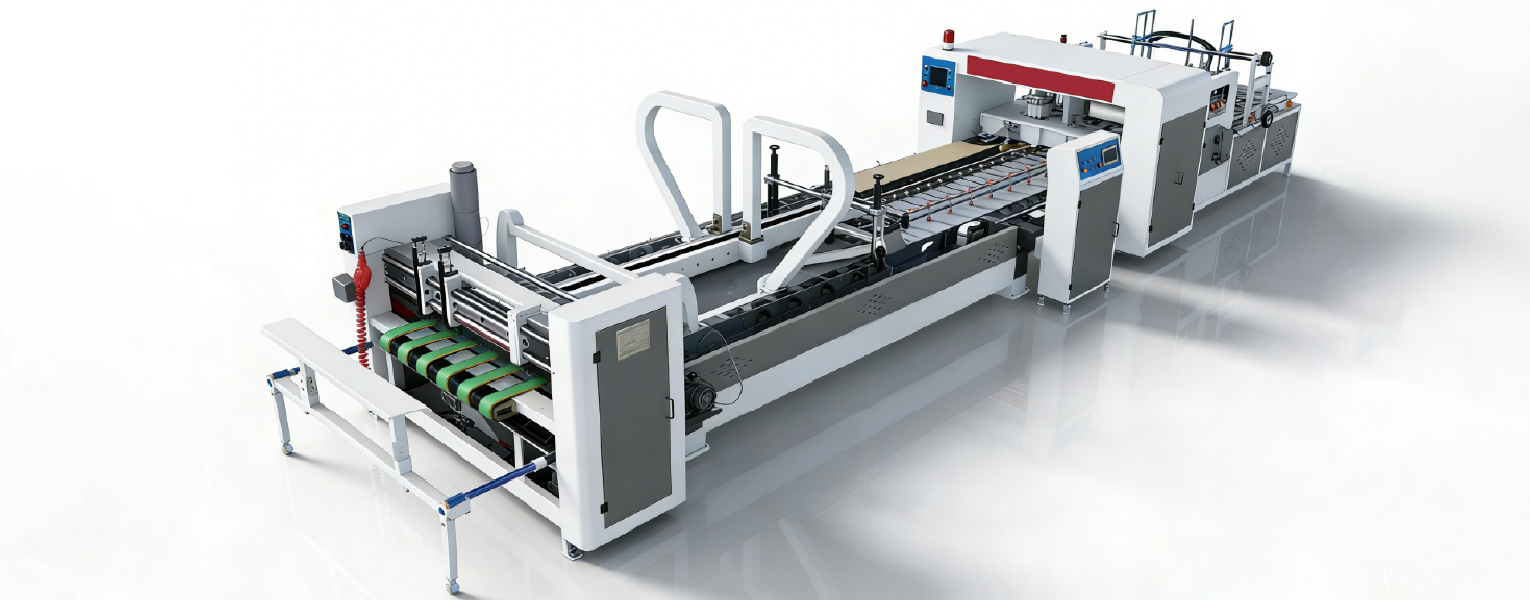
2. Main Types of Industrial Belts and Their Applications
Conveyor Belt
A conveyor belt is mainly used for material handling and product transportation. It is widely used in packaging, logistics, food processing, electronics, textile, printing and warehousing industries.
Common conveyor belt materials include:
PU conveyor belt
PVC conveyor belt
Rubber conveyor belt
Silicone conveyor belt
Fabric conveyor belt
Food grade conveyor belt
A PU conveyor belt is often selected for food processing and clean production environments because it offers good wear resistance, oil resistance and hygiene performance.
PU Timing Belt
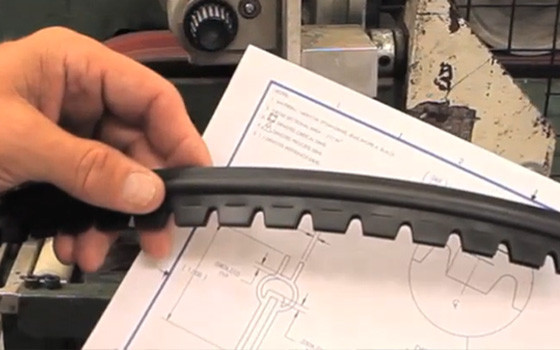
A PU timing belt is designed for accurate synchronous transmission. It usually has teeth on the inner side and can work with timing pulleys to ensure precise positioning and stable movement.
PU timing belts are commonly used in:
Automation equipment
Linear motion systems
Packaging machinery
Printing machinery
Robotics
Photovoltaic equipment
Medical equipment
Electronic assembly lines
Compared with ordinary rubber belts, PU timing belts are often chosen for applications that require better wear resistance, cleaner operation and precise transmission.
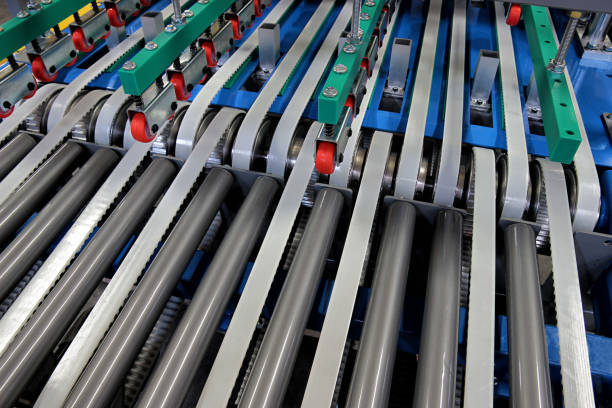
Rubber Timing Belt
A rubber timing belt is widely used in power transmission systems that require flexibility, shock absorption and stable running performance. Rubber timing belts are commonly applied in general industrial machinery, automotive-related equipment and mechanical transmission systems.
For applications with higher temperature, stronger impact or specific friction requirements, rubber timing belts can be a practical choice.
Transmission Belt
A transmission belt is used to transfer power from one rotating shaft to another. It is suitable for mechanical equipment where stable power transmission and reliable torque transfer are required.
Common applications include:
Industrial machinery
Agricultural equipment
Packaging machines
Textile equipment
Printing machines
Conveyor systems
When selecting a transmission belt, buyers should consider pulley size, running speed, load, tension, working temperature and installation space.
3. How to Choose the Right Industrial Belt
Choosing the correct industrial belt is not only about belt size. A good selection should consider the machine structure, working environment, product material and production speed.
Step 1: Confirm the Application
First, identify what the belt needs to do:
Transport products
Transfer power
Synchronize motion
Position products accurately
Carry products up an incline
Work in food-grade environments
Operate under high speed or heavy load
For example, a food processing line may require a food grade PU conveyor belt, while an automated positioning system may need a steel cord PU timing belt.
Step 2: Choose the Right Material
Different materials have different advantages:
PU belt
Good wear resistance, oil resistance and clean surface. Suitable for food processing, packaging, electronics and automation equipment.
PVC belt
Cost-effective and widely used for general conveying applications.
Rubber belt
Good flexibility, impact resistance and grip. Suitable for heavy-duty or general industrial applications.
Silicone belt
Good for high-temperature resistance and non-stick applications.
Fabric belt
Lightweight and flexible, suitable for light-duty conveying.
Step 3: Check Belt Structure and Custom Requirements
Many industrial machines require customized belt structures. GOODLY can provide custom solutions such as:
Belt cleats
Sidewalls
V-guides
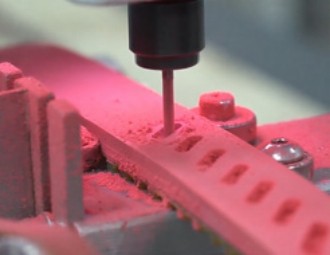
Perforation
Vacuum holes
Surface coating
Sponge coating
Red rubber coating
Silicone coating
PU coating
Fabric backing
Steel cord reinforcement
Kevlar cord reinforcement
Endless joint
Open-ended belt
Seamless timing belt
Step 4: Consider Working Environment
Before ordering an industrial belt, check the working conditions:
Temperature
Humidity
Oil contact
Chemical exposure
Product weight
Running speed
Pulley diameter
Cleanroom requirement
Food contact requirement
Static electricity requirement
For food, medical or clean production environments, a food grade conveyor belt or clean PU material is usually preferred. For high-load transmission, reinforced timing belts with steel cord or Kevlar cord may be more suitable.
4. Common Industrial Belt Problems and Solutions
Belt Slipping
Possible reasons:
Incorrect belt tension
Worn pulley
Wrong belt type
Overload
Oil or dust on belt surface
Solution:
Check belt tension, clean the pulley, confirm pulley alignment and choose a belt with suitable friction performance.
Belt Tracking Problem
Possible reasons:
Conveyor frame is not aligned
Pulley is not level
Belt tension is uneven
Belt is too wide or too short
Side loading affects belt movement
Solution:
Use proper belt alignment, adjust tension and consider adding V-guide strips to improve belt tracking.
Belt Cracking or Surface Wear
Possible reasons:
Belt material is not suitable
Pulley diameter is too small
Long-term overload
Chemical corrosion
High temperature
Solution:
Choose a more wear-resistant material, confirm minimum pulley diameter and check whether the working environment requires oil-resistant, heat-resistant or chemical-resistant belt material.
Poor Positioning Accuracy
Possible reasons:
Belt elongation
Wrong tooth profile
Low-quality tensile cord
Incorrect pulley matching
Solution:
Use a high-quality PU timing belt with steel cord reinforcement and match it with the correct timing pulley.
5. Industries That Need Custom Industrial Belts
GOODLY provides industrial belt solutions for many industries:
Food & Beverage Processing
Recommended products:
Food grade PU conveyor belt
White PU conveyor belt
Cleated conveyor belt
Oil-resistant belt
Typical applications:
Meat processing
Bakery line
Fruit and vegetable processing
Beverage packaging
Frozen food production
Packaging & Printing Machinery
Recommended products:
PU timing belt
Vacuum timing belt
Perforated belt
Rubber coated timing belt
High-friction transmission belt
Typical applications:
Carton packaging
Labeling machines
Printing machines
Film packaging
Paper feeding systems
Logistics & Warehousing Automation
Recommended products:
PVC conveyor belt
PU conveyor belt
Roller conveyor belt
High-wear conveyor belt
Sorting machine belt
Typical applications:
Parcel sorting
Warehouse conveying
Loading and unloading
E-commerce logistics
Automated distribution centers
Electronics & 3C Automation
Recommended products:
Anti-static conveyor belt
PU timing belt
Precision synchronous belt
Light-duty conveyor belt
Typical applications:
PCB conveying
Electronic component assembly
Mobile phone production
Battery production
Automated inspection equipment
Photovoltaic Equipment
Recommended products:
PU timing belt
Rubber coated timing belt
Vacuum timing belt
Custom perforated belt
Typical applications:
Solar panel production
Cell handling equipment
Glass conveying
Robotic transfer systems
6. Why Choose GOODLY Industrial Belt?
GOODLY focuses on customized industrial belt manufacturing for global B2B customers. We understand that different machines need different belt solutions, so we support flexible customization according to drawings, samples and application requirements.
Our advantages include:
Custom industrial belt solutions
Support for OEM and ODM orders
Conveyor belt and timing belt manufacturing
Belt coating, perforation, cleats and guide customization
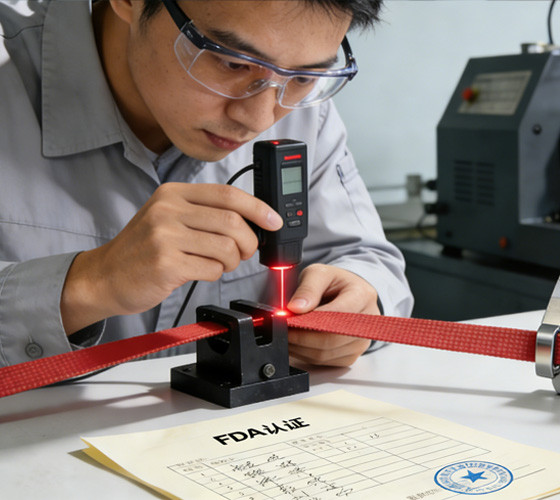
Stable quality control
Fast sample support
Suitable for automation, packaging, food, logistics and machinery industries
Export experience for overseas customers
Whether you need a standard PU timing belt, a customized conveyor belt, or a complete industrial belt solution for your production line, GOODLY can help you choose the right belt for your machinery.
7. FAQ: Industrial Belt Selection
What is the best belt for food processing?
A food-grade PU conveyor belt is commonly used because it has a clean surface, good oil resistance and is suitable for many food production lines.
What is the difference between PU timing belt and rubber timing belt?
PU timing belts are usually selected for precision, wear resistance and clean operation. Rubber timing belts are often used where flexibility, grip and shock absorption are important.
Can industrial belts be customized?
Yes. Industrial belts can be customized with cleats, sidewalls, guide strips, holes, coating, special backing, special color, special width and special length.
How do I know which belt is suitable for my machine?
You can provide belt size, tooth profile, material requirement, working environment, pulley size, machine photo or drawing. GOODLY can help recommend a suitable belt solution.
What information should I provide when requesting a quotation?
Please provide:
Belt type
Material
Width
Length
Thickness
Tooth profile
Quantity
Application
Working environment
Drawing or sample photos
Conclusion
Choosing the right industrial belt can improve production efficiency, reduce downtime and extend machine service life. From conveyor belts to PU timing belts, from transmission belts to customized coated or perforated belts, every detail matters.
If you are looking for a reliable industrial belt manufacturer, GOODLY Industrial Belt Co., Ltd. can provide customized belt solutions for your machinery and production line.
Contact GOODLY today to get a professional industrial belt recommendation for your application.