Industrial Belt Maintenance Guide: Extend the Service Life of Vulcanized Belts, Foam Belts, PU Timing Belts, Rubber Timing Belts and Conveyor Belts
- Share
- Issue Time
- Mar 23,2026
Summary
This brief summarizes the guide’s core: 5 principles (cleanliness, proper tension, extremes avoidance, regular inspections, correct installation) and 5 belt tips—vulcanized (packaging, wear/vacuum), foam (food/pharmaceutical, deformation/adhesion), PU timing (precision, tooth/tension), rubber timing (textiles/printing, anti-aging), conveyor (deviation/wear). It includes common mistakes, a schedule, and Guangzhou GOODLY’s belts, maintenance and vacuum packaging.
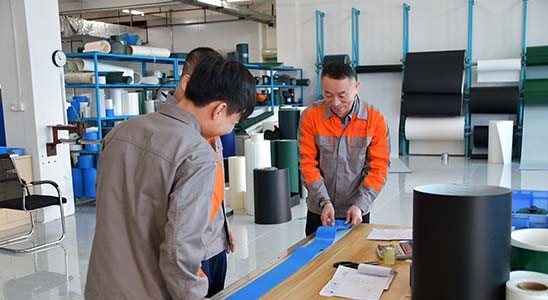

Industrial Belt Maintenance Guide: Extend the Service Life of Vulcanized Belts, Foam Belts, PU Timing Belts, Rubber Timing Belts and Conveyor Belts
Industrial belts are core transmission components in manufacturing, logistics, and processing industries across the board. Vulcanized belts, Foam belts, PU timing belts, Rubber timing belts, and Conveyor belts each have unique materials and use cases, and they need targeted maintenance to avoid premature wear, deformation, or failure. Proper maintenance not only extends the belt’s service life but also cuts down on production downtime and maintenance costs. Built on real-world experience in the industrial belt industry, this guide focuses on practical, easy-to-follow maintenance tips for all belt types, helping you fix common maintenance issues and get the most out of your equipment.
I. General Maintenance Principles (Applicable to All 5 Types of Belts)
Before getting into specific maintenance for each belt type, mastering these general principles will set you up for success—they’re the backbone of effective industrial belt maintenance:
Keep It Clean: Regularly wipe down the belt surface and transmission components to remove dust, debris, oil, and other contaminants. Contaminants increase friction, speed up wear, and can even corrode the belt material, hurting transmission accuracy and lifespan.
Adjust Tension Properly: Too much tension puts extra strain on the belt and bearings, leading to stretching, cracking, or even breakage. Too little tension causes slipping, wear, and lower transmission efficiency. Always stick to the tension recommended in your equipment manual.
Avoid Extreme Conditions: Don’t leave belts exposed to direct sunlight, high temperatures (most belts can handle up to 80°C), high humidity, corrosive gases, or liquids for long periods. These conditions speed up aging, hardening, or softening of the belt.
Inspect Regularly: Do a quick visual check every day and a thorough professional inspection on a regular basis. Catch wear, cracks, deformation, loose joints, and other issues early to avoid sudden breakdowns during operation.
Install Correctly: Improper installation—like misaligned pulleys or forcing the belt into place—is the top cause of premature belt failure. Make sure the belt is installed smoothly and the pulleys are aligned to prevent uneven stress on the belt.
II. Targeted Maintenance Guide for Each Type of Industrial Belt
Each industrial belt has unique material traits and use cases, so their maintenance priorities differ too. Below are detailed, professional maintenance steps based on each belt’s structure and common pain points:
2.1 Vulcanized Belt Maintenance
Vulcanized belts are mainly used in the packaging industry, fitting a range of transmission needs on packaging production lines. They’re known for high strength, wear resistance, and stable performance. Given their use in packaging, the key is to prevent wear and keep up with daily maintenance. Choosing high-quality vulcanized belts cuts down on maintenance from the start—for example, vulcanized belts from Guangzhou GOODLY work well for all packaging industry transmission needs, with consistent quality and professional maintenance tips to lower costs even more:
Cleaning & Corrosion Protection: Use a soft brush or high-pressure air to remove dust and debris from the belt surface. If there’s oil, wipe it off with a neutral cleaner and dry the belt right away. Keep the belt away from strong acids, alkalis, and other corrosive substances. For outdoor or humid environments, regularly apply anti-corrosion spray to the belt and transmission components.
Tension & Operation Control: Check the belt tension once a month to make sure it’s even—this prevents local stress buildup. Avoid frequent start-ups and shutdowns, as they can damage the belt. Keep the load within the rated range to avoid stretching or breaking from overload.
Storage Tips: When vulcanized belts aren’t in use for a long time, store them in a dry, well-ventilated, cool warehouse. Don’t fold or squeeze them—lay them flat or coil them to prevent deformation. We recommend vacuum-sealing them in vacuum bags to keep out dust and moisture, which prevents aging and dampness and preserves performance, especially for long-term storage. Keep the storage temperature between 10°C and 25°C, and avoid sharp objects.
2.2 Foam Belt Maintenance
Foam belts are mainly used in the food and pharmaceutical industries, ideal for light-duty transmission in food processing and pharmaceutical packaging. They offer good elasticity, shock absorption, and hygiene—meeting the strict sterility and cleanliness requirements of these industries. Based on their material and industry standards, the main goals are to prevent deformation and protect adhesion:
Prevent Compression Deformation: Foam belts are highly elastic but can deform if compressed for too long. When equipment is shut down for an extended period, loosen the belt tension to avoid permanent damage. During operation, make sure the belt and pulley have a flat contact surface to prevent uneven pressure.
Cleaning & Adhesion Protection: Gently wipe the belt surface with a dry, soft cloth to remove dust. Don’t use water or chemical cleaners—they’ll damage the foam and reduce adhesion. Avoid touching the belt with your hands, as hand oils can hurt its stickiness. If adhesion drops, clean the surface and reapply it according to the instructions.
Temperature & Humidity Control: Foam belts are sensitive to temperature and humidity. Don’t use them in environments over 60°C or with relative humidity above 80%—this causes the foam to age, harden, or soften. Add heat sinks for high-temperature areas, and boost ventilation and dehumidification for humid spaces.
Installation & Handling: Don’t overstretch the foam belt during installation—this damages its internal structure and reduces elasticity. When handling, avoid hitting or rubbing it against sharp objects to prevent scratches or tears in the foam layer.
2.3 PU Timing Belt Maintenance
PU timing belts (polyurethane timing belts) are widely used in precision transmission for food, medicine, electronics, and packaging. They offer high transmission accuracy, wear resistance, and oil resistance. For precision needs, focus on protecting the tooth surface and adjusting tension:
Tooth Surface Protection (Key Priority): The tooth surface is critical for power transmission. Regularly check for wear, chips, or deformation. If the tooth tops are flattened or the tooth shape is damaged, replace the belt immediately. Keep foreign objects (like metal shavings) out of the tooth gaps to prevent tooth breakage.
Cleaning & Lubrication: Use a soft cloth or brush to clean the tooth surface and pulley grooves, removing dust and debris. PU timing belts usually don’t need extra lubrication, but if friction is too high, use a dry lubricant (like PTFE spray)—never oil-based lubricants, as they damage the PU material. For food and pharmaceutical use, use food-grade cleaners and lubricants to avoid contamination.
Tension Adjustment: Tension directly affects transmission accuracy. Check it regularly using the “press test” or a tension gauge: press the middle of the belt with about 10N of force—deflection should be 0.5% to 1% of the belt length. Adjust tension by moving the motor base or tension pulley, and recheck after the new belt runs for 100 to 200 hours.
Environment & Storage: Keep PU belts away from strong acids, alkalis, and organic solvents to prevent corrosion. Store them in a dry, cool area away from direct sunlight, coiled to avoid folding and deformation. Vacuum-sealing in vacuum bags is recommended to keep out pollution and moisture, extending storage time. Store between 0°C and 30°C, with humidity below 70%.
2.4 Rubber Timing Belt Maintenance
Rubber timing belts are cost-effective and widely used in general industrial transmission, such as textiles and printing. They’re flexible but prone to aging. Given their tendency to age, focus on anti-aging measures and daily checks:
Anti-Aging (Key Priority): Rubber timing belts age, harden, and crack when exposed to high temperatures, sunlight, and oil. Keep them out of direct sunlight and away from high-temperature heat sources. Don’t use oil-based lubricants—they cause the rubber to swell and age. For outdoor or high-temperature use, choose heat-resistant rubber timing belts and add protective covers.
Cleaning & Inspection: Wipe the belt surface with a dry, soft cloth to remove dust and oil. Don’t use cleaners that corrode rubber. Regularly check for cracks, delamination, or tooth wear. If the belt has cracks or more than 3 missing teeth, replace it right away. Also, check the pulley for wear to avoid damaging new belts.
Tension & Operation: Tension should be moderate—too much causes stretching and cracking; too little causes slipping and tooth skipping. Check tension once a month and adjust if needed. Avoid frequent overloads and sudden start-ups/shutdowns, which damage the belt. Rubber timing belts work best between -10°C and 80°C—avoid extreme temperatures.
Storage: Store in a dark, dry, cool warehouse, away from oils, chemicals, and sharp objects. Coil the belt (don’t fold it) and rotate it every 3 months to prevent permanent deformation. Vacuum-sealing in vacuum bags helps keep out moisture and contaminants, slowing natural aging. Replace every 2 years max—even if unused, rubber ages naturally.
2.5 Conveyor Belt Maintenance
Conveyor belts are core parts of conveyor systems, used in logistics, mining, food, and other industries. They handle heavy loads and long transmission distances. For long-term, heavy-duty use, focus on deviation correction, wear repair, and joint maintenance:
Deviation Correction (Key Priority): Belt deviation is common and can cause edge wear or breakage. Check for deviation regularly. For slight deviation (edge shift ≤50mm), adjust the deviation-correcting idler. For severe deviation, check if pulleys are aligned or if material is loaded unevenly, then adjust pulley position or feeding direction. Keep pulley surfaces clean—no unevenly stuck material—to prevent uneven stress and deviation.
Wear Repair: Conveyor belt surfaces wear down from constant contact with materials. For small wear areas, use special repair glue and patches. For large wear or frayed edges, trim the edge and apply protective glue, or replace the belt. Install scrapers at the conveyor tail to remove leftover material and reduce wear. Add grilles or magnetic separators at the feed inlet to catch sharp debris and avoid scratching the belt.
Joint Maintenance: Regularly check vulcanized joints for looseness, delamination, or bulging. If issues are found, re-vulcanize and repair immediately. During maintenance, keep the joint surface clean and dry, apply adhesive evenly, and strictly control temperature and pressure to ensure joint strength. For mechanical joints, check fasteners and tighten if loose.
Daily Inspection & Lubrication: Do a pre-start check every day—look for belt damage, stuck idlers, and proper tension. Regularly lubricate idler bearings and tension device screws with general grease for smooth operation. Clean pulley and idler surfaces regularly to remove stuck material and prevent uneven stress.
III. Common Maintenance Mistakes to Avoid (Common Industry Issues)
From years of industrial belt maintenance experience, many failures come from incorrect maintenance. Avoid these common mistakes to extend your belt’s life:
Using the wrong cleaners or lubricants (e.g., oil-based lubricants for PU timing belts, corrosive cleaners for rubber belts).
Ignoring tension checks, leading to too much or too little tension and faster wear/failure.
Not cleaning belts and transmission components regularly, leading to contaminant buildup that causes friction, wear, or tooth jamming.
Forcing the belt to install, which bends or damages the belt internally and causes premature failure.
Neglecting maintenance on vulnerable parts (like idlers, pulleys), leading to uneven belt stress and faster wear.
IV. Maintenance Schedule (Industry Standards)
To help you keep maintenance on track, we’ve put together a simple, actionable schedule based on industry standards and real-world experience—it works for most industrial settings:
Daily Maintenance: Visually check the belt for wear, cracks, or deviation; clean surface dust and debris; and check for abnormal noise or vibration during operation.
Weekly Maintenance: Check belt tension; clean pulley grooves and idler surfaces; and tighten any loose joints or fasteners.
Monthly Maintenance: Do a full check of belt wear; lubricate transmission components; adjust conveyor belt deviation; and repair small wear areas or damage.
Quarterly Maintenance: Check belt aging (especially rubber and foam belts); recheck joint strength; and replace severely worn parts (like idlers, scrapers).
Annual Maintenance: Inspect the entire transmission system; replace aging belts and heavily worn components; and fully test the system to ensure stable operation.
Conclusion
Maintaining industrial belts—vulcanized belts, foam belts, PU timing belts, rubber timing belts, and conveyor belts—is a systematic process. You need to tailor your approach to each belt’s material and use case. Following the maintenance methods and schedule in this guide—based on industry experience and standards—will cut down on failures, extend service life, and lower production costs. Choosing high-quality belts that fit your industry needs, paired with proper maintenance, will maximize your equipment’s value. Guangzhou GOODLY offers a full line of industrial belts and maintenance support, perfect for packaging, food, pharmaceutical, and other industries. They also provide vacuum packaging services to meet your belt storage needs, helping you store and use belts better and keep production running smoothly.