Understanding Timing Belt Cost: A Comprehensive Guide
- Share
- Issue Time
- Mar 19,2026
Summary
In industrial packaging, consistent uptime is crucial, making the proper maintenance of components like timing belts essential to prevent costly downtime and repairs. This guide thoroughly examines timing belt costs, emphasizing that proactive maintenance is significantly more economical than reactive repairs. A timing belt's function is to synchronize machine parts, differing from a timing chain in material, noise, lubrication needs, and lifespan.
In the high-speed world of industrial packaging, uptime is paramount. A single component failure can cascade into significant production delays and costly repairs. Understanding the role and maintenance requirements of a crucial part like the timing belt can save your operation from catastrophic machine damage and significant repair expenses. My goal is to guide you through everything you need to know about this component, from its core function to the factors influencing timing belt cost, and how you can effectively manage these maintenance expenses.
This comprehensive guide will help you navigate the complexities of timing belt maintenance and the associated costs. By the end, you will have the knowledge to ensure your packaging machinery and conveyor systems run smoothly and efficiently for years to come, minimizing downtime and maximizing productivity.
Key Takeaways
This guide provides a deep dive into managing timing belt costs within an industrial packaging context. Here are the essential points to remember:
- Proactive Maintenance is Non-Negotiable: The central theme of this article is that preventative maintenance is far more cost-effective than reactive repairs. A failed timing belt can cause extensive, expensive damage to a machine's motor and linked components. Regularly scheduled inspections and adherence to manufacturer-recommended replacement intervals are crucial for avoiding catastrophic failures and unplanned downtime, which often carry a much higher price tag than the belt replacement itself.
- Cost is a Multifaceted Equation: The final price for a timing belt replacement is not just the cost of the belt. It's a complex calculation involving several key variables. These include the make and model of the machinery, which dictates the complexity of the job; the quality of the replacement parts (OEM vs. aftermarket); the necessity of replacing associated components like tensioners and pulleys simultaneously; and regional labor rates for skilled technicians. Understanding each of these factors allows for better budgeting and cost management.
- The "Kit" Approach is Smartest: When replacing a timing belt, it's almost always recommended to replace other related wear-and-tear components at the same time. These include the tensioner, idler pulleys, and sometimes seals or water pumps (in liquid-cooled systems). While this increases the upfront cost of parts, it saves significant money in the long run by bundling labor costs. Replacing these parts piecemeal would require a full disassembly of the system each time, dramatically inflating total maintenance expenses.
- Timing Belts and Timing Chains Are Fundamentally Different: Belts and chains serve the same purpose—synchronization—but have different properties, maintenance needs, and cost implications. Belts are quieter, lighter, and don't require lubrication, making them ideal for clean environments like food and pharmaceutical packaging. Chains are more durable and can last much longer but are heavier, louder, and require lubrication, which can be a contaminant. The initial cost and long-term maintenance expenses differ significantly between the two.
- Informed Decisions Lead to Savings: The most effective way to control timing belt costs is through knowledge. Recognizing the subtle warning signs of a wearing belt (e.g., unusual noises, decreased precision, visible wear) can prompt early intervention. Furthermore, getting multiple quotes from qualified industrial maintenance providers, making an informed choice between OEM and high-quality aftermarket parts, and bundling services are all strategic actions that can lead to substantial savings and improved operational reliability. Ignoring these factors often leads to inflated costs and extended downtime.
What Exactly is a Timing Belt and Why Does it Influence Timing Belt Cost?
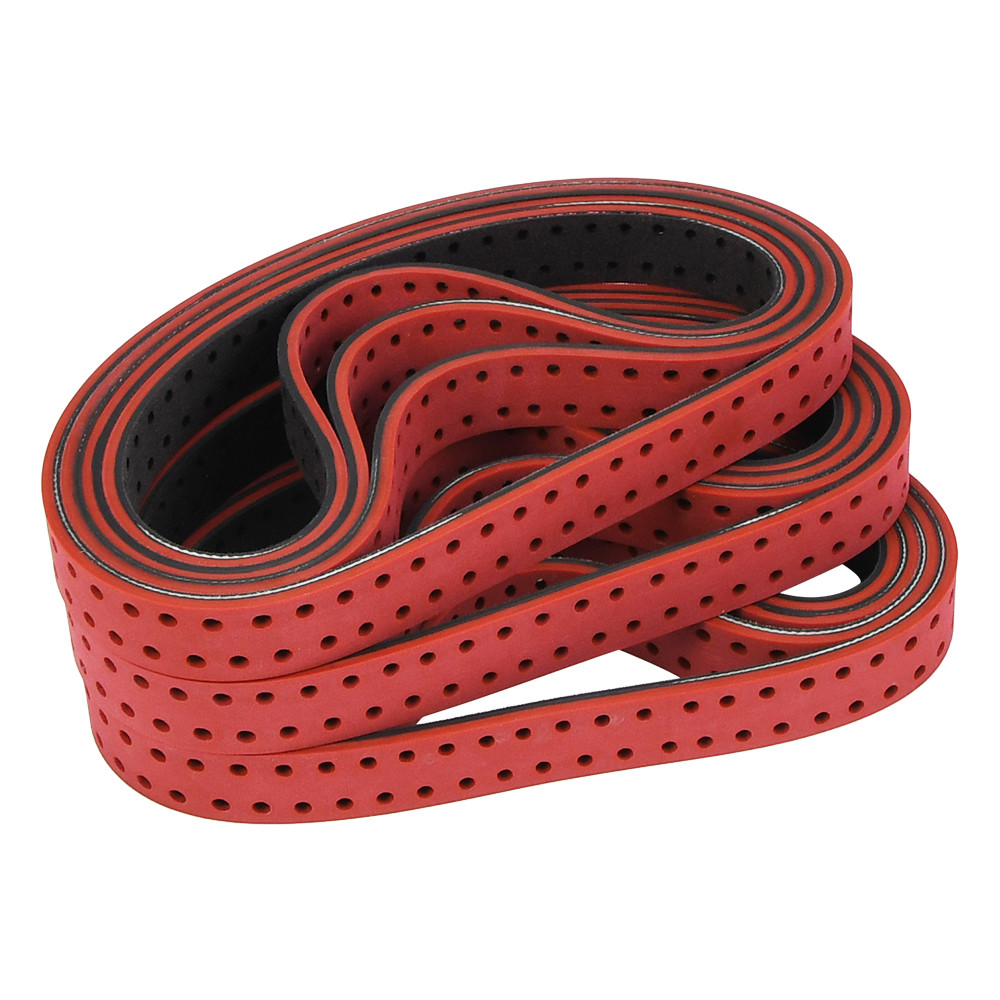
In the intricate choreography of a packaging machine, precision is everything. Whether a machine is forming a box, filling a container, or sealing a package, every moving part must work in perfect harmony. At the heart of this mechanical synchrony is often a humble yet critical component: the timing belt. Understanding its role is the first step toward appreciating why its maintenance and associated costs are so vital to your bottom line.
The Timing Belt's Essential Function in Our Engine
A timing belt, also known as a synchronous belt, is a specialized belt with teeth on its inner surface. These teeth mesh perfectly with grooves on pulleys attached to different shafts within a machine's motor or drive system. Its primary purpose is to synchronize the rotation of two or more shafts, ensuring that different parts of a machine move in precise relation to one another.
For example, in packaging machinery, a timing belt might connect the main drive motor to a conveyor, a sealing mechanism, and a cutting blade. The belt ensures that a product is moved into position just as the sealer activates, and the cutter engages at the exact right moment. This prevents slippage, which is common with smoother V-belts, and guarantees the repeatable, high-speed accuracy required in modern production lines. By transmitting power and maintaining precise timing, these belts are indispensable for applications ranging from conveyor systems and robotics to printing presses and automated assembly lines.
Timing Belt vs. Timing Chain: Understanding the Differences and Their Impact on Timing Belt Cost
While timing belts and timing chains perform the same core function, they are very different in construction and have distinct advantages and disadvantages that influence both performance and overall cost. Choosing between them often comes down to the specific requirements of the application, including load, desired noise level, and maintenance tolerance.
Timing Belts are typically made from durable, flexible materials like polyurethane or reinforced rubber. They are lighter, quieter, and require no lubrication, which is a significant advantage in clean environments like food and pharmaceutical packaging, where grease or oil contamination is unacceptable.
Timing Chains, as the name suggests, are made of metal links, similar to a bicycle chain. They are more durable and can handle heavier loads and higher temperatures. However, they are also heavier, noisier due to metal-on-metal contact, and require constant lubrication from the machine's oil system.
The choice between the two directly impacts cost in several ways:
- Initial Cost: Chain drive components often have a lower upfront cost than comparable timing belt systems.
- Maintenance Cost: Belts are largely maintenance-free, whereas chains need regular lubrication and tensioning checks. This makes the long-term cost of ownership for chains potentially higher when factoring in lubricants and technician time.
- Replacement Cost: Timing belts have a finite service life and must be replaced at manufacturer-recommended intervals. Timing chains are designed to last much longer, sometimes for the life of the machine, but if they do fail or require replacement, the job is typically more complex and expensive.
| Feature | Timing Belt | Timing Chain |
|---|---|---|
| Material | Reinforced Rubber or Polyurethane | Metal Links |
| Noise Level | Very Quiet | Louder (metal-on-metal contact) |
| Lubrication | Not Required | Required (uses machine oil) |
| Maintenance | Low (periodic replacement) | High (regular lubrication & tensioning) |
| Cleanliness | Excellent for clean environments | Risk of oil/grease contamination |
| Lifespan | Finite, scheduled replacement | Very long, may last machine's life |
| Replacement Cost | Moderate | High (more labor-intensive) |
| Total Cost of Ownership | Often lower due to less maintenance | Can be higher due to ongoing service |
The Catastrophic Consequences of a Failed Timing Belt and the Resulting Timing Belt Cost
Ignoring a timing belt until it fails is one of the most costly mistakes a production manager can make. The cost of a planned timing belt replacement pales in comparison to the expenses incurred when one snaps during operation.
When a timing belt breaks, the synchronization between the machine's moving parts is instantly lost. This can be catastrophic. On a packaging line, for example, a desynchronized cutter could slam into a conveyor, or a sealing jaw could crush a product and the transport mechanism. The immediate consequences include:
- Severe Mechanical Damage: The sudden loss of timing can cause different moving parts of the machine to collide at high speed, leading to bent shafts, damaged gears, and shattered components.
- Production Halts: A failed belt means immediate and unplanned downtime. The entire line stops, leading to lost production, idle labor, and potentially missed shipping deadlines.
- Product Loss: When a belt breaks, any product currently in the machine is often damaged or destroyed. A sudden stop can cause an entire batch to become unusable.
- Cascading Failures: The shock from a snapping belt can damage adjacent components, including pulleys, tensioners, and even the drive motor itself.
The resulting timing belt cost is no longer about a simple belt replacement. It now includes emergency labor rates, the cost of extensive replacement parts for the damaged components, and the significant financial impact of lost production. In many cases, the total cost of a catastrophic failure can be ten to twenty times more than the cost of a preventative replacement.
Recognizing the Warning Signs and When to Expect Timing Belt Cost
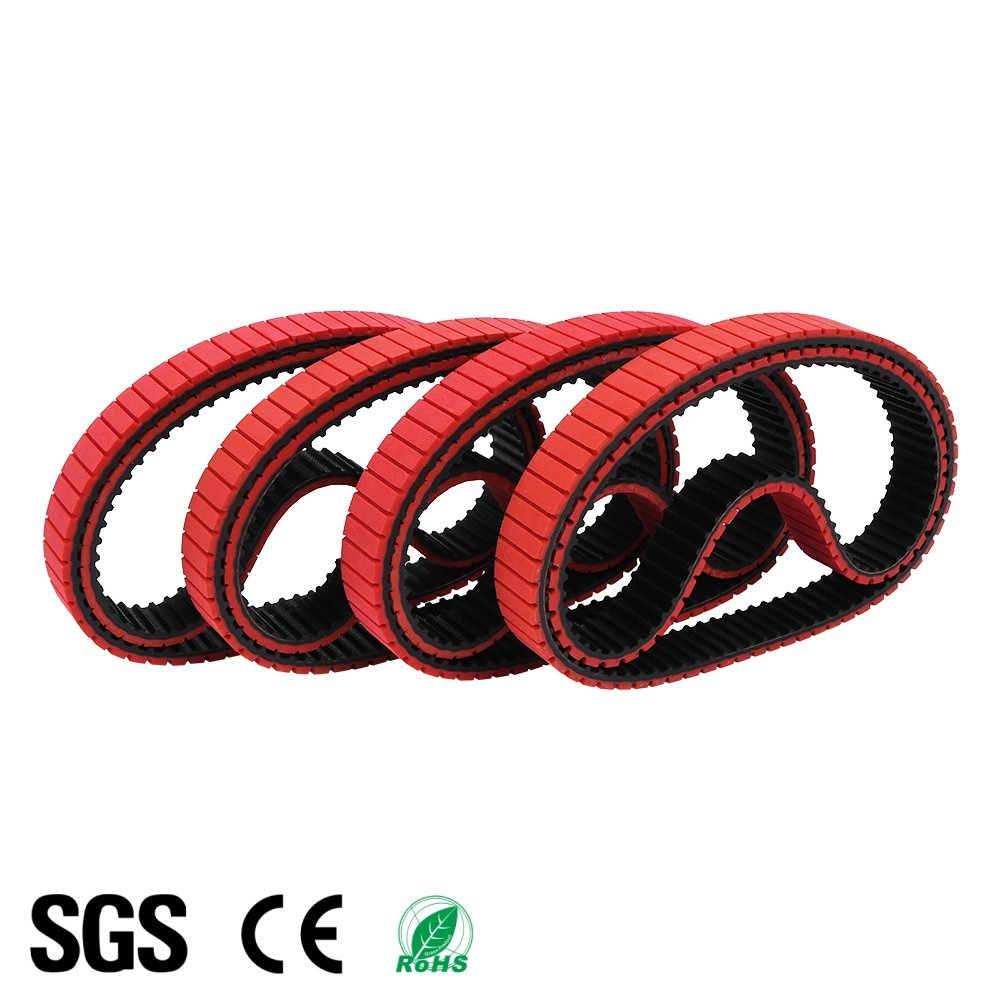
Proactive maintenance is the key to avoiding the catastrophic failures described above. This involves both adhering to scheduled maintenance and learning to recognize the subtle warning signs that a timing belt is nearing the end of its life. Planning for this maintenance expense is far more efficient than reacting to an emergency.
Signs Our Timing Belt Needs Attention
Timing belts rarely fail without giving some prior indication. Training machine operators and maintenance staff to recognize these signs is a critical, cost-saving measure. Here are the most common symptoms to watch for:
- Unusual Noises: A healthy timing belt drive operates quietly. If you begin to hear noises like high-pitched whining, squealing, rattling, or clicking coming from the machine, it could indicate a problem. These sounds can be caused by a loose or misaligned belt, or by failing bearings in the tensioner or idler pulleys.
- Visible Wear and Tear: Regular visual inspections can reveal a lot about a belt's condition. Look for signs like fraying edges, cracks on the back of the belt, or a glazed, shiny appearance on the surface. A particularly dangerous sign is "shark toothing," where the belt's teeth have worn into a pointed, hooked shape, indicating it's about to start slipping.
- Loss of Precision or Slippage: If a packaging machine starts producing inconsistent results—such as misaligned labels, uneven seals, or inaccurate cuts—it could be a symptom of a worn or stretched timing belt. The belt may be "jumping teeth," which means it's no longer keeping the machine's components in perfect synchronization.
- Excessive Vibration: While some machine vibration is normal, a noticeable increase can point to a problem in the drive system. This could be due to an improperly tensioned belt, worn pulley bearings, or general degradation of the belt itself.
- Debris and Dust: An accumulation of black, rubber-like dust around the timing belt cover can be a sign of accelerated wear. As the belt degrades, it sheds material, which can be an early warning sign before more obvious damage appears.
Manufacturer Recommendations: When to Plan for Timing Belt Cost
The most reliable way to manage timing belt cost is to replace the belt proactively, based on the manufacturer's recommended service interval. This information is a critical part of any preventative maintenance program and can be found in the machine's operating or service manual.
There is no universal replacement interval; the lifespan of a timing belt depends heavily on several factors:
- Operating Hours: The most common metric. Manufacturers will specify a replacement after a certain number of hours of operation. A machine running 24/7 will require more frequent replacements than one running a single 8-hour shift.
- Load and Speed: Belts on high-load, high-speed applications experience more stress and will have a shorter lifespan than those on lighter, intermittent-use machines.
- Environmental Conditions: Exposure to extreme temperatures, dust, chemicals, or moisture can cause the belt material to degrade faster, shortening its life. Most belts are designed to last around three years with normal, single-shift operation.
- Material and Construction: Premium belts made with advanced materials like high-grade HNBR rubber or aramid reinforcement will generally last longer than standard-quality belts.
The golden rule is to never run a timing belt to the point of failure. A proactive replacement based on the manufacturer's schedule is always more cost-effective. A well-documented maintenance log is essential for tracking belt age, operating hours, and inspection notes to ensure replacements are performed on time.
The Components of Our Timing Belt System Affecting Timing Belt Cost
The timing belt itself is the central component, but it doesn't work in isolation. It's part of a larger system where each part plays a crucial role in maintaining tension and alignment. When calculating the timing belt cost, it's vital to consider these associated parts, as they are almost always replaced at the same time.
A comprehensive timing belt service involves replacing what is often sold as a "timing belt kit." These kits contain:
- The Timing Belt: The primary toothed belt responsible for synchronizing the machinery.
- Tensioner Pulley: This is arguably the most critical supporting component. A tensioner pulley is mounted on a spring-loaded or hydraulic arm that applies constant pressure to the belt, keeping it tight. Proper tension is essential; a belt that is too loose can skip teeth or jump off the pulleys, while a belt that is too tight can cause excessive wear on the belt and pulley bearings.
- Idler Pulley(s): Idler pulleys are free-spinning wheels that guide the timing belt along its path. They don't apply tension but are essential for routing the belt correctly around various components and obstructions, ensuring it maintains proper contact with the drive pulleys. There can be one or more idler pulleys in a system.
- Water Pump (in some systems): In many machines with liquid-cooled motors, the timing belt also drives the water pump, which circulates coolant. Since the water pump has a similar service life to the belt and requires the same amount of labor to access, it is almost always replaced during a timing belt service as a cost-saving and preventative measure.
- Seals and Hardware: High-quality kits often include new seals (like camshaft or crankshaft seals) and the necessary bolts or hardware for installation. These seals prevent oil from leaking onto the new belt, which could cause it to degrade and fail prematurely.
The bearings inside the original tensioner and idler pulleys have been subjected to the same amount of wear and tear as the belt itself. A common cause of belt failure isn't the belt snapping, but a bearing seizing in an old pulley, which then melts the pulley and causes the belt to break or fly off. Therefore, replacing all these components together is the most reliable and ultimately cost-effective approach.
Breaking Down the Average Timing Belt Cost
Determining a single "average" cost for a timing belt replacement in industrial machinery is nearly impossible due to the vast range of equipment types, sizes, and complexities. However, we can break down the cost into its core elements and discuss the typical price ranges and influencing factors.
Typical Range for Timing Belt Cost
For a standard preventative maintenance replacement on common industrial machinery, the cost can be broken down into two main buckets: parts and labor.
- Parts Cost: A complete timing belt kit, which includes the belt, tensioner, and idler pulleys, can range widely. For smaller, standard machinery, a kit might cost just a few hundred dollars. For large, complex, or specialized equipment, such as a high-speed vertical form-fill-seal (VFFS) machine, the cost for the kit alone could be $500 to over $1,500.
- Labor Cost: This is often the largest portion of the total expense. Labor can take anywhere from 3 to 8 hours, or even longer for very complex machines. With industrial maintenance technician rates typically ranging from $75 to $150 per hour or more, labor costs can add another $300 to $1,200+ to the bill.
Therefore, a total preventative timing belt replacement cost could realistically fall anywhere between $800 and $3,000+, depending entirely on the specific machine and circumstances. This contrasts sharply with the cost of a failure, which can easily reach $5,000 to $15,000 or more when factoring in machine damage and production downtime.
Factors That Significantly Influence Our Total Timing Belt Cost
The final invoice for a timing belt service is a composite of several variables. Understanding these factors will help you budget more accurately and make informed decisions about your maintenance strategy.
Our Vehicle's Make and Model: A Major Factor in Timing Belt Cost
Just as no two machines are identical, no two timing belt replacement costs will be the same. The single biggest factor is the specific make and model of the equipment.
- Common vs. Specialized Machinery: A timing belt replacement on a standard, widely-used conveyor system will almost always be cheaper than on a highly specialized, custom-built packaging machine. Parts for common equipment are more readily available and technicians are more familiar with the repair process.
- Engineered Complexity: The design of the machine heavily influences labor hours. A simple design where the timing belt is easily accessible might only take a few hours to service. In contrast, a complex machine requiring the technician to remove multiple guards, sub-assemblies, or even the motor itself to access the belt can see labor hours—and costs—skyrocket. For example, some European-made packaging machines are known for complex engine layouts that can significantly increase the duration and cost of the job.
The Quality of Parts: How It Impacts Timing Belt Cost
When it comes to sourcing a timing belt kit, you generally have two options: Original Equipment Manufacturer (OEM) parts or aftermarket parts. This choice can significantly affect both the upfront cost and the long-term reliability of the repair.
- OEM Parts: These are components made by or for the original manufacturer of your machine. They are designed to the exact specifications of your equipment, ensuring a perfect fit and optimal performance. OEM parts offer the highest quality assurance and reliability but come at a premium price.
- Aftermarket Parts: These are parts made by third-party companies. The quality of aftermarket parts can vary dramatically. Reputable aftermarket brands like Gates or Continental often produce parts that meet or even exceed OEM standards at a lower cost. However, cheaper, lesser-known brands may use inferior materials, leading to a poor fit and a much shorter service life.
While opting for a low-cost aftermarket part might seem like a way to save money, it's a significant risk. A poor-quality belt or tensioner that fails prematurely will lead to the very catastrophic damage and expensive downtime you were trying to avoid. Using high-quality OEM or premium aftermarket parts is a critical investment in the machine's longevity.
Additional Components Often Replaced with the Timing Belt, Adding to Timing Belt Cost
A smart strategy to manage long-term maintenance costs is to bundle replacements. While this increases the upfront cost of a single service, it significantly reduces total expenses over time by eliminating redundant labor.
The "while you're in there" philosophy is key. A technician has to perform a significant amount of disassembly just to access the timing belt. Since the adjacent components have likely endured the same operational stress and have similar lifespans, replacing them at the same time is highly cost-efficient. Components to bundle include:
- Tensioner and Idler Pulleys: As mentioned, these parts are usually included in a kit. They are wear items with bearings that fail over time. Not replacing them is a major gamble.
- Water Pump: For machines where the timing belt drives the water pump, replacing it is almost mandatory. A water pump failure after a recent timing belt job is frustrating and expensive, as it requires paying for the same labor all over again. The cost of a new water pump is a small price to pay for this insurance.
- Camshaft and Crankshaft Seals: These seals prevent oil leaks. If they are weeping or showing signs of age, replacing them when the timing belt is off is a simple, low-cost task that prevents a future oil leak from contaminating and ruining a new belt.
Declining these additional replacements to save a small amount on the initial bill is a false economy that often leads to much higher repair costs down the line.
Labor Rates and Our Geographic Location Determine Timing Belt Cost
A significant variable in the total cost of any repair is the labor rate, which is heavily influenced by geography.
- Regional Cost of Living: The hourly rate for a skilled industrial maintenance technician varies significantly across the country. Rates in major metropolitan areas with a high cost of living (e.g., New York City, Los Angeles) will be substantially higher than in more rural areas. This difference alone can alter the final bill by several hundred dollars.
- Technician Availability: In regions with a high concentration of manufacturing, there may be more competition among service providers, which can help keep rates competitive. Conversely, in areas with fewer skilled technicians, a lack of supply can drive prices up. On-site repair services in remote locations may also incur additional travel charges.
According to May 2023 data from the U.S. Bureau of Labor Statistics, the mean hourly wage for industrial machinery mechanics was $30.62, which translates to a shop rate of anywhere from $120 to over $200 per hour when overhead and profit are included. This rate can be even higher for dealership or manufacturer-certified technicians with specialized training.
Overall Complexity of the Job and Its Bearing on Timing Belt Cost
Beyond the machine type and part quality, the inherent complexity of the repair job itself is a primary driver of cost, as it directly translates to labor hours. Key factors increasing complexity include:
- Accessibility: As previously mentioned, how much of the machine needs to be disassembled to reach the timing belt system is a huge factor. A belt located behind multiple layers of protective guards, other drive systems, or structural framework will take significantly more time to access than an exposed one.
- Special Tools: Some machines, particularly those from European or highly specialized manufacturers, may require proprietary tools to properly remove pulleys or set tension. The need for such tools can limit the choice of service providers to more expensive, manufacturer-certified shops.
- Corrosion and Seized Parts: In older machinery or equipment operated in harsh environments, bolts and components can become seized with rust. A technician may have to spend considerable extra time carefully freeing these parts without causing further damage, which adds to the labor bill.
- Post-Installation Calibration: After a new belt is installed, the machine's timing must be precisely reset and tested. On complex automated systems, this can be a meticulous process involving software adjustments and test runs to ensure every component is perfectly synchronized. This calibration phase adds to the total job time.
Ultimately, a "simple" timing belt replacement on an open, standard machine can be a straightforward task, while the same job on a compact, complex, or older piece of equipment can become a time-consuming and expensive undertaking.
Smart Strategies to Manage and Potentially Lower Our Timing Belt Cost
Managing maintenance costs isn't just about finding the cheapest parts; it's about a holistic strategy focused on reliability and long-term value. By adopting smart maintenance practices, you can not only lower your direct timing belt costs but also reduce the much larger, indirect costs associated with unplanned downtime.
The Value of Preventive Maintenance for Reducing Timing Belt Cost
The single most effective strategy for managing timing belt costs is embracing preventive maintenance over reactive maintenance.
- Reactive Maintenance ("If it ain't broke, don't fix it"): This approach involves running equipment until it fails and then performing repairs. While this minimizes upfront spending, it almost always leads to higher long-term costs. The expense of unplanned downtime, collateral damage to other components, and emergency labor rates far outweighs the cost of a scheduled replacement.
- Preventive Maintenance (PM): This is a proactive strategy of performing scheduled inspections and replacements to prevent failures before they happen. Studies have shown that preventive maintenance can result in an incredible return on investment. Some analyses suggest every dollar spent on PM can save up to five dollars in future reactive repair costs. Research also indicates that a proactive approach can reduce overall maintenance costs by 12% to 18% compared to a reactive one.
By following the manufacturer's recommended replacement schedule for timing belts and their related components, you are making a strategic investment. You are trading a predictable, manageable expense for the avoidance of an unpredictable, chaotic, and far more costly emergency.
Bundling Services: Making Our Timing Belt Cost More Efficient
As established, the "while you're in there" principle is a cornerstone of efficient maintenance. Most of the labor cost associated with a timing belt replacement comes from the time it takes to access the belt system. By bundling the replacement of the belt with other wear-and-tear components in the same area, you essentially get multiple jobs done for the labor cost of one.
Think of it this way:
- Scenario A (No Bundling): Replacing only the timing belt costs (for example) $1,000 ($300 parts + $700 labor). Six months later, the original water pump fails. The repair costs another $900 ($200 part + $700 labor). Total cost: $1,900.
- Scenario B (Bundling): Replacing the timing belt kit and the water pump at the same time costs $1,300 ($300 kit + $200 pump + $800 slightly increased labor). Total cost: $1,300.
In this example, bundling the services saves $600 and prevents a second, unexpected period of downtime. This strategy transforms maintenance from a series of expensive, reactive emergencies into a single, efficient, and planned event. Packaging maintenance tasks into logical groups allows for much more efficient execution and maximizes the value of your maintenance budget.
Comparing Quotes and Choosing the Right Mechanic for Optimal Timing Belt Cost
Finding the right service provider is just as important as using the right parts. The lowest price is not always the best value, especially when dealing with critical production machinery.
How to Find a Qualified Technician:
- Look for Specialization: Seek out technicians or service companies that specialize in your type of machinery (e.g., packaging equipment, conveyors, CNC machines). Generalists may not have the specific knowledge required.
- Check Certifications and Experience: Ask about certifications (like ASE for automotive or specific manufacturer training) and their track record. Experience with your specific make and model of equipment is a huge plus.
- Ask for References: A reputable mechanic will be happy to provide references from previous clients. Speaking to other businesses they've worked with can provide invaluable insight into their professionalism and quality of work.
Comparing Quotes: Always get detailed, itemized quotes from at least two or three different providers. A vague quote is a red flag. A proper quote should break down:
- Cost of the timing belt kit (and the brand being used).
- Cost of any additional recommended parts (like the water pump or seals).
- Estimated labor hours and the hourly rate.
- The warranty offered on both parts and labor.
When comparing, don't just look at the final number. A slightly more expensive quote that uses OEM parts and offers a longer warranty might be a much better long-term value than a cheaper quote using unbranded parts with no warranty. Ask questions to ensure you are making a true side-by-side comparison of what is included.
Considering Aftermarket vs. OEM Parts to Influence Timing Belt Cost
The choice between OEM (Original Equipment Manufacturer) and aftermarket parts is a classic cost-benefit analysis.
- OEM Parts: These are manufactured by or for the company that built your machine. They guarantee a perfect fit, are made to the original material and tolerance specifications, and often come with a warranty. This is the safest, most reliable option, but it is also the most expensive. Using OEM parts ensures you are restoring the system to its factory condition.
- Aftermarket Parts: These parts are made by other companies to fit your machine. The main advantage is a lower price. However, the quality can vary wildly. A reputable aftermarket manufacturer (like Gates, Continental, or Dayco) may produce parts that meet or exceed OEM quality. In fact, these companies are often the OEM suppliers themselves, selling the same part under their own brand. The danger lies in low-cost, unbranded parts, which may not fit correctly, can be made of inferior materials, and are likely to fail prematurely.
Making the Right Choice: For critical machinery where reliability is paramount, sticking with OEM parts is often the wisest decision. However, if you are looking to manage costs, a high-quality aftermarket kit from a well-known, reputable brand can be a reliable and cost-effective alternative. It's crucial to do your research. Saving a small percentage on an unknown brand is not worth the risk of catastrophic machine failure. In the end, you get what you pay for; quality parts, whether OEM or premium aftermarket, offer better long-term value.
Avoiding Common Mistakes That Increase Timing Belt Cost
Even with a proactive strategy, certain missteps can unnecessarily inflate costs and lead to premature belt failure. Avoiding these common mistakes is crucial for maximizing the life of your components and controlling your budget.
- Ignoring Warning Signs: This is the most costly mistake of all. Unusual noises, vibrations, or visible wear are the machine's way of telling you a problem is developing. Ignoring these signs and operating until failure turns a manageable maintenance task into an expensive emergency repair.
- Opting for the "Belt-Only" Replacement: Trying to save money by replacing only the timing belt while leaving the old tensioner and idler pulleys is a false economy. These components have the same amount of wear as the old belt, and their failure will take the new belt with them, forcing you to pay for the entire job a second time.
- Improper Tensioning: A belt that is too tight will cause excessive strain and heat, leading to premature failure of the belt and bearings. A belt that is too loose can "ratchet" or skip teeth, losing synchronization and potentially causing catastrophic damage. Proper tensioning, using a tension gauge, is not a step to be rushed.
- Poor Storage and Handling of Belts: Timing belts should be stored in a cool, dry place away from direct sunlight, moisture, and ozone-producing equipment like electric motors. They should never be sharply folded, crimped, or hung from pegs, as this can damage the internal tensile cords before the belt is ever installed.
- Lack of Cleanliness: Allowing oil, grease, or other contaminants to get on the belt can attack the rubber compounds and cause them to degrade and fail. Similarly, failing to clean debris from the pulleys can abrade the belt surface and accelerate wear.
By training staff to avoid these errors and follow best practices, you can ensure that you get the maximum service life out of every new timing belt, directly improving your return on investment.
Frequently Asked Questions (FAQ)
1. Can I replace a timing belt on our machinery myself?
While it may be technically possible for someone with advanced mechanical skills, it is strongly discouraged for most. Timing belt replacement is a high-precision job. An error of even one tooth during alignment can lead to severe machine damage. The process often requires specialized tools for removing pulleys and, critically, for setting the correct belt tension with a gauge. A qualified industrial maintenance technician has the experience, tools, and knowledge of the specific machinery to perform the job correctly and safely. The labor cost of hiring a professional is a small price to pay to avoid the immense cost and downtime associated with a failed DIY attempt.
2. How long does a typical timing belt replacement take?
The time required varies significantly depending on the machine's complexity. A simple, easily accessible system might take a technician 2-4 hours. However, for a complex packaging machine where the technician must remove multiple guards, other drive systems, or even the motor to get access, the job could take 8 hours or more. This time includes disassembly, cleaning the components, installing the new kit, setting the tension, re-aligning everything, and performing test runs to ensure proper synchronization. Always ask for a time estimate when getting a quote.
3. What is the difference between a timing belt and a serpentine belt on industrial equipment?
They serve very different functions. A timing belt is a "synchronous" or toothed belt. Its primary job is to perfectly synchronize the movement of multiple components, like a motor's crankshaft and camshafts, or a conveyor and a robotic arm. It ensures precision timing. A serpentine belt (or V-belt) is a smooth or ribbed belt that transfers power from a drive pulley to various accessories, relying on friction. For example, it might run a machine's cooling fan, an alternator, or a hydraulic pump. If a serpentine belt breaks, the accessories it powers will stop working, but it won't typically cause the kind of immediate, catastrophic mechanical damage that a broken timing belt does.
4. Is a noisy timing belt system always a sign of impending failure?
Not always, but it should always be investigated immediately. A high-pitched squeal or whine could be caused by something as simple as improper belt tension that can be adjusted. However, it could also be the sound of a failing bearing in a tensioner or idler pulley. A ticking or rattling noise is often more serious, potentially indicating a problem with the belt itself or loose components. Ignoring these sounds is a major risk. A professional inspection can diagnose the cause; a simple adjustment is a low-cost fix, but catching a failing pulley bearing before it seizes can save you from a complete belt failure and massive repair bill.
5. How much can we really save by replacing the water pump and other components with the timing belt?
The savings are primarily in labor costs and can be substantial. Let's say the labor to access the timing belt system on your machine is 5 hours. Replacing the timing belt kit takes up that time. If the water pump is also driven by the belt, replacing it might only add 30 minutes of labor while everything is already disassembled. If you decline to replace the water pump and it fails a year later, a technician will have to spend another 5 hours just to get to it again. You would essentially be paying for the same 5 hours of labor twice. By bundling the replacements, you pay for that access labor only once, which can save you hundreds or even thousands of dollars in the long run and prevent future unplanned downtime.