Understanding Your Timing Belt: Lifespan, Warning Signs, and Preventive Measures
- Share
- Issue Time
- Sep 1,2026
Summary
The timing belt is a critical and often overlooked component in an internal combustion engine, essential for synchronizing the rotation of the crankshaft and camshaft to ensure precise valve operation for efficient combustion. Unlike a serpentine belt, which powers external accessories, or a timing chain, which is designed to last the engine's lifetime, the timing belt is typically made of reinforced rubber and requires periodic replacement due to natural degradation over time and mileage.
Fail
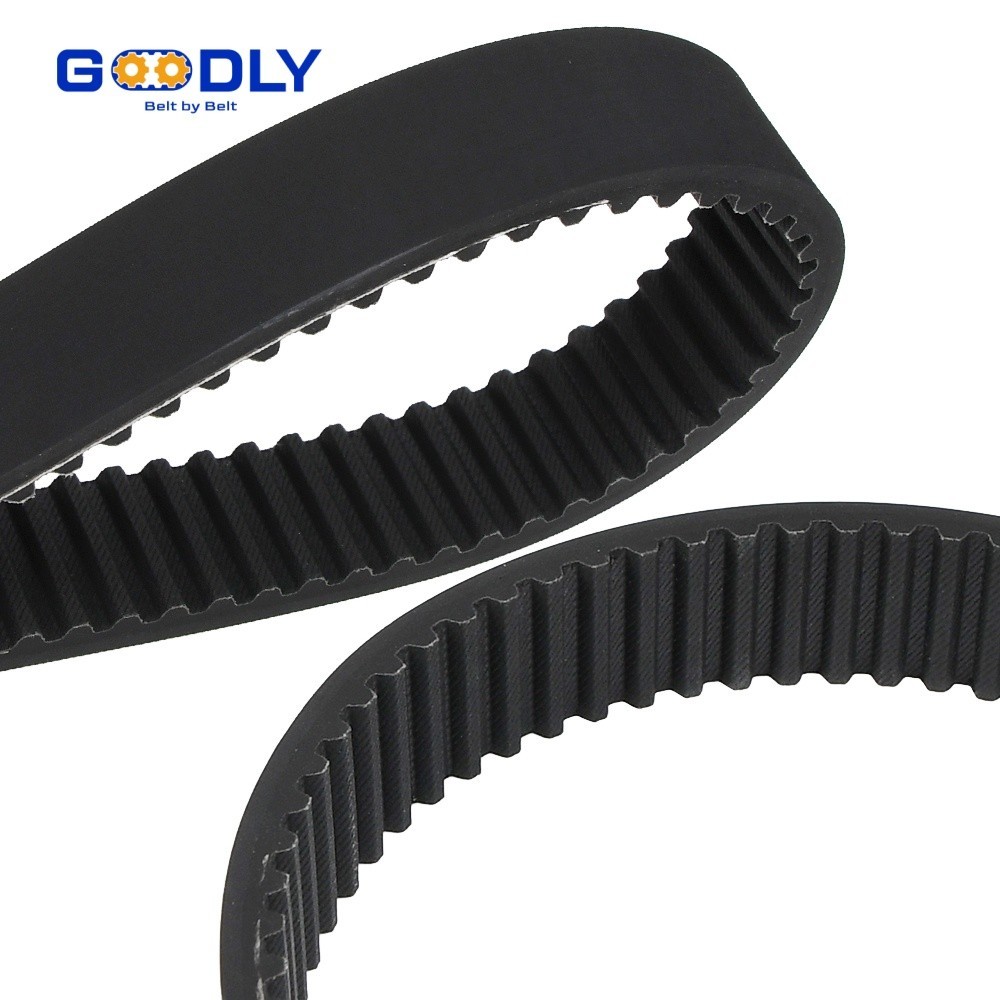
Understanding the intricate workings of your vehicle is crucial, especially when it comes to components as vital as the timing belt. This essential part, hidden deep within the engine, is fundamental to your car's performance and longevity. A little knowledge can go a long way in preventing unexpected breakdowns and costly repairs. Join us as we demystify your car's timing belt, exploring its function, lifespan, warning signs, and the best preventive measures to keep your engine running smoothly for years to come.
What Critical Role Does Your Engine's Timing Belt Play?
Often overshadowed by more frequently discussed parts like brakes and tires, the timing belt is an unsung hero of the internal combustion engine. Its role is not just important—it's absolutely critical. Without it, your engine cannot run, and its failure can lead to catastrophic consequences. Understanding what this component does is the first step toward appreciating its significance and the need for timely maintenance.
The Synchronizer: How Your Timing Belt Orchestrates Engine Movements
Think of the timing belt as the conductor of an intricate mechanical orchestra. Its primary function is to synchronize the rotation of two of the engine's most important parts: the crankshaft and the camshaft. The crankshaft converts the linear motion of the pistons into rotational force, while the camshaft controls the opening and closing of the engine's intake and exhaust valves.
The timing belt, a toothed belt typically made from high-quality rubber and reinforced with nylon or Kevlar cords, connects these two shafts via pulleys. The teeth on the belt mesh perfectly with the gears on the crankshaft and camshaft, ensuring they rotate in perfect harmony. This precise synchronization is essential for the four-stroke combustion cycle (intake, compression, power, exhaust) to occur correctly. It guarantees that the valves open to let the air-fuel mixture in and exhaust gases out at the exact right moment in relation to the piston's position. If this timing is off by even a fraction of a second, engine performance suffers dramatically.

Differentiating Your Timing Belt from Drive Belts and Chains
It's common for car owners to confuse the timing belt with other belts and chains in the engine bay. The three main components often mixed up are the timing belt, the serpentine (or drive) belt, and the timing chain. While they may sound similar, they serve distinct purposes.
| Feature | Timing Belt | Timing Chain | Serpentine (Drive) Belt |
|---|---|---|---|
| Function | Synchronizes crankshaft and camshaft for internal engine timing. | Same as a timing belt; synchronizes crankshaft and camshaft. | Powers external engine accessories (alternator, A/C compressor, power steering pump). |
| Material | Reinforced rubber with teeth. | Metal links, similar to a bicycle chain. | Grooved, durable rubber. |
| Location | Inside the engine, protected by a cover and not visible during a quick check. | Inside the engine, lubricated by engine oil. | Visible in the engine bay when you open the hood. |
| Lifespan | Requires periodic replacement (e.g., every 60,000-100,000 miles). | Designed to last the life of the engine, but can stretch or wear out over time. | Requires regular inspection and replacement when worn. |
| Failure Impact | Can cause catastrophic engine damage, especially in interference engines. | Failure is less common but can also cause severe engine damage. | Loss of accessories (no power steering, A/C, or battery charging); can cause overheating if it drives the water pump. |
In essence, the timing belt and timing chain do the same critical job but are made of different materials, while the serpentine belt has a completely different, non-timing-related function.
The Severe Impact of a Compromised Timing Belt on Your Engine
The consequences of a timing belt failure range from an inconvenient tow to catastrophic, wallet-draining engine destruction. The severity largely depends on the type of engine your vehicle has: an interference or a non-interference engine.
In an interference engine, the valves (when fully open) and the pistons occupy the same space in the cylinder, but at different times. This design allows for higher compression ratios, leading to better power and fuel efficiency. However, if the timing belt snaps, the camshaft stops spinning, leaving some valves stuck in the open position. The crankshaft, however, continues to rotate for a moment, causing the pistons to slam into the helpless open valves. This collision happens in an instant and causes devastating damage, including:
- Bent or broken valves
- Damaged pistons and cylinder heads
- Scratched or gouged cylinder walls
- Potentially ruined camshafts
The result is almost always a need for a complete engine rebuild or a full replacement, a repair that can cost thousands of dollars and may exceed the value of the car itself.
In a non-interference engine, there is enough clearance between the valves and pistons, even if the timing is lost. If the timing belt breaks, the engine will simply shut off, and you'll be stranded. While this is certainly an inconvenience and will require a tow and a timing belt replacement, it typically does not result in the internal mechanical destruction seen in interference engines.
Because it's often impossible to tell which type of engine you have just by looking, and since a broken belt will leave you stranded regardless, addressing timing belt concerns with critical urgency is paramount for every driver.
Your Timing Belt's Lifespan: When to Consider Replacement
Unlike a timing chain, which is designed to last the life of the vehicle, a timing belt is a maintenance item that must be replaced. Because it is made of rubber, it degrades over time and mileage. Knowing when to replace it is not a guessing game; it's a calculated decision based on manufacturer guidance, environmental factors, and a clear understanding of financial risks. Ignoring this crucial service is a gamble against catastrophic engine failure.
Understanding Manufacturer Recommendations for Timing Belt Changes
The most reliable source for determining your timing belt's replacement interval is your vehicle's owner's manual. Every automaker provides a specific maintenance schedule based on extensive testing and engineering data. This interval is typically defined by both mileage and time, such as "every 90,000 miles or 7 years, whichever comes first."
- Mileage Interval: Most manufacturers recommend replacement somewhere between 60,000 and 100,000 miles. This range can vary widely, so checking your specific model's requirement is essential. For example, some Honda models specify a replacement around 105,000 miles.
- Time Interval: The time-based recommendation is just as important as the mileage. Rubber degrades naturally due to heat, exposure to chemicals, and age, regardless of how many miles are driven. A 10-year-old car with only 30,000 miles may be at higher risk of belt failure than a 3-year-old car with 60,000 miles. A general rule of thumb is to consider replacement every 5 to 7 years if the mileage interval hasn't been reached.
Sticking to these recommendations is the single most effective way to prevent a sudden and disastrous belt failure.
Factors Accelerating Your Timing Belt's Wear and Tear
While manufacturer guidelines provide a solid baseline, certain conditions can shorten the effective life of your timing belt. Being aware of these factors can help you decide if an earlier-than-scheduled inspection or replacement is necessary.
- Extreme Temperatures: High heat under the hood accelerates the breakdown of the rubber compounds in the belt. Similarly, extreme cold can make the rubber brittle. Vehicles operated in climates with significant temperature swings may see accelerated wear.
- Oil and Fluid Leaks: The timing belt is designed to operate in a dry environment, protected by a cover. If engine oil or coolant from a leaking gasket (like a valve cover or camshaft seal) contaminates the belt, the chemicals can rapidly degrade the rubber and cause it to soften, swell, or slip.
- Driving Conditions: Severe driving conditions, such as constant stop-and-go traffic, towing heavy loads, or frequent high-RPM operation, place additional stress on the entire engine, including the timing belt and its related components.
- Component Misalignment or Tensioner Failure: The timing belt system includes tensioners and pulleys that ensure the belt runs smoothly and with the correct tension. If a pulley bearing fails or the tensioner becomes weak, it can cause the belt to wear unevenly, slip, or break prematurely.
- Age and Low Mileage: As previously mentioned, time is a significant factor. A car that sits for long periods can still suffer from belt degradation as the rubber becomes hard and brittle.
The Financial Wisdom of Proactive Timing Belt Maintenance
It can be tempting to delay a timing belt replacement due to the cost, which can range from approximately $500 to over $1,200, depending on the vehicle and labor involved. However, this perspective is shortsighted when you consider the alternative.
- Preventive Cost vs. Catastrophic Cost: A proactive timing belt replacement is a maintenance expense. A repair after the belt breaks is a recovery from a disaster. The cost to repair an interference engine after a timing belt failure often ranges from $3,000 to over $7,000 and can even require a complete engine replacement.
- The Inconvenience Factor: A planned service allows you to schedule the repair at your convenience. A snapped belt will leave you stranded without warning, requiring a tow truck and forcing you into an emergency repair situation, often at a less-than-ideal location and price.
- Peace of Mind: Knowing that this critical component is fresh and professionally installed provides invaluable peace of mind on the road. The cost of a replacement is a small price to pay to avoid the stress and immense expense of a destroyed engine.
Ultimately, viewing timing belt replacement as an investment in your vehicle's longevity is the wisest financial approach. The math is simple and unforgiving: pay for the belt now, or risk paying for a new engine later.
Identifying the Alarms: Warning Signs of a Failing Timing Belt
While timing belts often fail without any prior indication, they sometimes provide subtle clues that trouble is brewing. Learning to recognize these auditory, performance-based, and visual warnings can give you the crucial window needed to address the issue before it leads to a breakdown. If your belt is approaching its recommended replacement interval, paying extra attention to these signs is essential.
Auditory Cues and Performance Changes from Your Timing Belt
Your senses of hearing and touch are powerful diagnostic tools. Changes in how your car sounds and feels can be the first red flags of a worn or damaged timing belt.
Common Warning Sounds:
- Ticking or Clicking Noise: A rhythmic ticking sound from the front of the engine is one of the most common signs of a failing timing belt. This noise can be caused by a variety of issues, including low tension allowing the belt to slap against its plastic cover, or issues with the valvetrain because the timing is off.
- High-Pitched Squealing or Whirring: While often associated with the serpentine belt, a high-pitched noise during startup or acceleration can also indicate problems within the timing belt system, such as a failing tensioner or pulley bearing.
- Rattling or Clanking: A louder, more aggressive rattling noise may suggest the belt has stretched or lost teeth, causing it to slip and the engine's timing to become erratic.
Performance-Related Symptoms:
- Engine Misfires or Rough Idling: If a timing belt stretches or jumps a tooth, the synchronization between the camshaft and crankshaft is lost. This causes the valves to open or close at the wrong time, leading to incomplete combustion. You may feel the engine shudder, run unevenly at a stop, or experience a jerky hesitation during acceleration.
- Difficulty Starting: A severely worn or slipped belt can throw the engine's timing off so much that it struggles to start or won't start at all. You might hear the starter motor cranking, but the engine fails to turn over and ignite because the combustion cycle cannot be completed correctly.
- Loss of Power: A car with a failing timing belt may feel sluggish and underpowered. Because the valve timing is incorrect, the engine can't breathe efficiently, which directly impacts its power output, especially between 2,000 and 4,000 RPM.
- Increased Exhaust Smoke: An engine struggling with incorrect timing may run inefficiently, leading to unburnt fuel entering the exhaust system. This can result in an unusual amount of smoke coming from the tailpipe.
Visual Inspections for Wear and Damage on Your Timing Belt
A visual inspection is the most definitive way to assess a timing belt's condition, but it's often the most difficult, as the belt is hidden behind a protective cover. In many cases, this inspection is best left to a professional mechanic who can safely access it. However, if you or your mechanic can view the belt, here is what to look for:
- Cracks and Fraying: Look closely at the back (smooth side) and toothed side of the belt. Any visible cracks, especially deep ones that reach the reinforcing cords, are a clear sign of old, brittle rubber that is ready to fail. Frayed edges also indicate excessive wear or a potential alignment issue.
- Glazing: The surface of the belt may appear shiny or "glazed." This happens when the rubber hardens and loses its flexibility, causing it to slip on the pulleys. A glazed belt can no longer grip properly and must be replaced.
- Missing or Worn Teeth: The teeth are critical for maintaining synchronization. Inspect them for any signs of "shearing" (being torn off at the base) or excessive rounding. Even a single missing tooth is cause for immediate replacement.
- Contamination: The presence of engine oil or coolant on the belt is a major red flag. These fluids rapidly break down the rubber, compromising its strength. The source of the leak must also be repaired along with the belt replacement.
- Improper Tension: A mechanic can check the belt's tension. If it's too loose, it can skip teeth or slap against its cover; if it's too tight, it puts excessive strain on the bearings of the pulleys and water pump.

The Critical Urgency of Addressing Your Timing Belt Concerns
It cannot be overstated: the symptoms of a failing timing belt should never be ignored. Unlike a worn tire or a squeaky brake pad that offers a gradual decline in performance, a timing belt works perfectly until the moment it snaps.
When a warning sign appears, it is not an early alert; it is a final call to action. Continuing to drive the vehicle is a significant gamble. In an interference engine, every engine revolution with a compromised belt could be the one that leads to thousands of dollars in damage.
If you hear a ticking noise, experience engine misfires, or are near your recommended replacement interval, do not wait. The cost of towing and an emergency repair far exceeds the cost of a scheduled, proactive replacement. Treat any potential timing belt issue with the immediate attention it deserves.
Beyond the Belt: Comprehensive Timing Belt System Service
Replacing a timing belt is a complex and labor-intensive job. Because of the difficulty in accessing the belt, a smart and cost-effective approach involves servicing more than just the belt itself. A comprehensive service addresses all related components that wear at a similar rate, ensuring the entire system's reliability and saving you from paying for the same difficult labor twice.
Why You Should Replace Related Components with Your Timing Belt
A timing belt doesn't work in isolation. It's part of a system that includes pulleys, a tensioner, and often a water pump. These components share a similar service life and endure the same harsh conditions. Replacing only the belt is a shortsighted fix, as an old tensioner or pulley can fail shortly after, destroying your brand-new belt and potentially your engine. For this reason, mechanics almost always recommend replacing these parts as a complete kit.
A comprehensive timing belt kit typically includes:
- The Timing Belt: The core component, made of high-strength reinforced rubber.
- Tensioner(s): This crucial part, which can be spring-loaded or hydraulic, maintains the correct tension on the belt. A failed tensioner can cause the belt to become too slack (leading to slips) or too tight (causing excessive wear).
- Idler Pulley(s): These pulleys guide the belt along its path. Their internal bearings can wear out, leading to noise, seizure, and subsequent belt failure.
- Water Pump: In many engine designs, the timing belt drives the water pump. Since the pump has a similar lifespan and requires the same labor-intensive disassembly to access, replacing it at the same time is standard practice. A failed water pump can seize, snapping the belt, or leak coolant onto the new belt, causing it to degrade prematurely.
- Camshaft and Crankshaft Seals: These seals prevent oil from leaking out of the engine and onto the belt. Over time, they can become hard and brittle. Replacing them during a timing belt service is a low-cost, preventative measure that protects your new belt from oil contamination.
Replacing these components all at once is the industry best practice. It restores the entire timing system to factory condition, maximizes longevity, and is overwhelmingly more cost-effective than addressing each part individually as it fails.
The Precision Required for Professional Timing Belt Installation
Timing belt replacement is not a task for the average DIY mechanic. It is a high-stakes job that demands precision, specialized tools, and a deep understanding of engine mechanics. A single mistake during installation can lead to poor performance or the very catastrophic engine failure you're trying to prevent.
Key aspects that require professional expertise include:
- Correct Timing Alignment: The crankshaft and camshaft(s) must be perfectly aligned to their timing marks before the old belt is removed and after the new one is installed. If the alignment is off by even a single tooth, the engine's timing will be incorrect, causing running issues or immediate valve-to-piston collision on an interference engine.
- Proper Tensioning: The new belt must be set to the exact tension specified by the manufacturer. A belt that is too loose can skip teeth, while one that is too tight will put immense strain on the belt, water pump, and pulley bearings, leading to premature failure. Special tools are often required to set and verify the tension accurately.
- Specialized Tools: Many modern engines, especially those in compact engine bays, require special tools to hold the camshafts in place, remove the crankshaft pulley, or access the tensioner. Without these tools, the job is often impossible to perform correctly and safely.
- Torque Specifications: Every bolt involved in the process, from the tensioner pulley to the timing cover, has a specific torque value that must be followed to prevent parts from coming loose or being damaged.
Given the potential for disastrous consequences, trusting a certified professional for this service is crucial. Their expertise ensures that the job is done right the first time, protecting your engine and providing you with long-term reliability and peace of mind.
Your Strategy for Extending Your Timing Belt's Reliability and Life
While timing belts are wear-and-tear items with a finite lifespan, you can take concrete steps to ensure your belt and its related components last as long as they are designed to and to prevent premature failure. A proactive strategy combines strict adherence to the manufacturer's maintenance schedule with thoughtful driving habits and regular vehicle inspections. This approach not only protects your engine but also maximizes your investment and provides peace of mind.
Adhering Strictly to Your Vehicle's Recommended Timing Belt Schedule
The single most important strategy for preventing a timing belt catastrophe is to follow the replacement schedule provided by your vehicle's manufacturer. Automakers invest significant resources into determining these intervals to ensure engine reliability.
- Consult Your Owner's Manual: This is your primary source of truth. Locate the maintenance section and find the specific mileage and time interval for timing belt replacement.
- Respect Both Mileage and Time: Remember that the recommendation is always "whichever comes first." A low-mileage older car is just as, if not more, susceptible to belt failure as a high-mileage newer car because rubber degrades over time. Don't assume the belt is fine just because the odometer reading is low.
- Don't Delay: Postponing a timing belt service to save money in the short term is a high-risk gamble. The potential cost of engine damage from a snapped belt far outweighs the expense of a scheduled replacement.
Following the manufacturer's schedule is the most reliable way to avoid the catastrophic failure of this critical component.
Proactive Measures and Careful Driving for Your Timing Belt
Beyond sticking to the service schedule, your daily habits and proactive care can contribute to a healthier, longer-lasting timing system.
- Smooth Driving Style: Aggressive driving habits, such as rapid acceleration, hard braking, and frequently revving the engine to high RPMs, put unnecessary stress on the timing belt and its associated components. Cultivating a smooth driving style with gradual acceleration and deceleration reduces this strain.
- Regular Oil Changes and Fluid Checks: Clean engine oil is vital, especially for vehicles with timing chains, but it also benefits the entire engine environment. More importantly, regularly check for and address any oil or coolant leaks immediately. Fluid contamination is a known cause of premature timing belt failure as it degrades the rubber.
- Professional Inspections: During routine maintenance like oil changes, ask your mechanic to perform a quick visual inspection of the engine bay. While they may not be able to see the timing belt itself without removing the cover, they can spot early signs of trouble, such as oil leaks near the timing cover or unusual engine noises.
- Listen to Your Vehicle: Be attentive to any new or unusual sounds coming from the engine. A new ticking, whirring, or slapping sound should be investigated by a professional immediately, as it could be an early warning of a failing tensioner, pulley, or belt.
By combining diligent maintenance with mindful driving and regular check-ups, you create a robust strategy to ensure your engine's critical timing system remains reliable for its entire intended service life.
Key Takeaways
Understanding your vehicle's timing belt is a fundamental aspect of responsible car ownership. Its failure can be one of the most destructive and expensive events a car engine can suffer. This guide has detailed what a timing belt does, how long it lasts, the signs of its demise, and the best practices for maintenance. To ensure the health and longevity of your engine, it’s crucial to internalize the most important points discussed.
At its core, the timing belt acts as the engine's master synchronizer. It is a toothed rubber belt that connects the crankshaft to the camshaft(s), ensuring they rotate in perfect harmony. This precision timing is what allows the engine's valves to open and close at the exact right moment in relation to the pistons' movements. Without this synchronization, the engine cannot run. If this critical link breaks, especially in an "interference" engine where pistons and valves occupy the same space at different times, the result is often a catastrophic collision that can bend valves, damage pistons, and potentially destroy the entire engine. It's vital to differentiate it from the serpentine belt, which powers accessories like the alternator and power steering, and the more durable (but not indestructible) timing chain found in some other vehicles.
The lifespan of a timing belt is finite and is dictated by both mileage and age. Vehicle manufacturers provide specific replacement intervals, typically between 60,000 and 100,000 miles, or every 7 to 10 years, whichever comes first. Ignoring the time-based recommendation is a common and risky mistake, as the rubber compounds in the belt degrade and become brittle over time, regardless of how many miles the car has been driven. Several factors can accelerate this degradation, including extreme heat or cold, contamination from oil or coolant leaks, and aggressive driving habits characterized by rapid acceleration and high RPMs. The financial wisdom of proactive replacement cannot be overstated. The cost of a scheduled timing belt service, while significant, pales in comparison to the thousands of dollars required for an engine rebuild or replacement after a failure.
While a timing belt can snap without warning, it sometimes provides clues of its impending failure. Vigilant drivers should listen for auditory cues such as a rhythmic ticking or clicking sound from the front of the engine, a high-pitched whirring noise, or rattling. Performance changes are another key indicator; these can include rough idling, engine misfires, a noticeable loss of power, or difficulty starting the engine. If a visual inspection is possible, signs like cracks, fraying, missing teeth, or a glazed, shiny appearance on the belt surface are undeniable evidence that replacement is immediately necessary. Addressing these concerns with urgency is critical—a warning sign is a final call to action, not an early notice.
Finally, a proper timing belt service is a comprehensive and precise job best left to professionals. It involves more than just replacing the belt itself. To ensure long-term reliability and avoid paying for the same labor-intensive job twice, it is industry best practice to replace the entire timing belt kit. This includes the belt, the tensioner(s) that maintain proper pressure, and the idler pulleys that guide the belt. In many vehicles, the water pump is also driven by the timing belt and should be replaced concurrently, as should any leaking camshaft or crankshaft seals. The installation requires meticulous alignment of timing marks and correct tensioning, tasks that demand specialized tools and expertise. By adhering strictly to your vehicle's maintenance schedule and opting for a complete system service, you are making the smartest possible investment in your engine's health and your own peace of mind.
Frequently Asked Questions (FAQ)
1. What is the difference between a timing belt and a timing chain?
Both a timing belt and a timing chain serve the exact same purpose: to synchronize the engine's crankshaft and camshaft. The primary difference is their material and lifespan. A timing belt is made of a durable, reinforced rubber and has a specific replacement interval (e.g., 60,000-100,000 miles) because the rubber degrades over time. A timing chain is a metal chain, similar to a bicycle chain, that is lubricated by engine oil. It is designed to last the lifetime of the engine and does not have a scheduled replacement interval. However, timing chains can still stretch or their tensioners can fail over time, requiring service.
2. My car has an "interference engine." What does that mean for my timing belt?
An interference engine is a design where the path of the pistons and the path of the valves intersect, though they are timed to never occupy the same space at the same time. This design allows for higher compression ratios and better engine efficiency. However, it carries a significant risk. If the timing belt breaks on an interference engine, the camshaft stops turning, leaving some valves open. The pistons continue to move and will violently collide with these open valves, causing catastrophic damage like bent valves and damaged pistons. This often necessitates a complete engine rebuild or replacement, making on-time timing belt replacement absolutely critical for these engines.
3. How much does a timing belt replacement cost?
The cost of a timing belt replacement can vary significantly depending on the vehicle's make and model, the local labor rates, and what is included in the service. On average, you can expect the cost to range from $500 to $1,200. For more complex engines, such as V6 or V8 models where access is more difficult, the cost can be higher. This price typically includes a complete timing belt kit (belt, tensioners, pulleys) and the labor. If the water pump is also replaced, which is highly recommended, it can add to the total cost. While this is a significant maintenance expense, it is far cheaper than the $3,000+ cost of repairing engine damage from a broken belt.
4. Can I replace a timing belt myself?
While it is technically possible for a highly experienced home mechanic with the right tools, replacing a timing belt is generally not recommended as a DIY project. The job requires a high degree of precision. The crankshaft and camshafts must be perfectly aligned to their timing marks, and the new belt must be set to a specific tension. Failure to do this correctly, even being off by a single tooth, can cause poor engine performance or immediate and severe engine damage. The job also often requires specialized tools to hold pulleys in place or to remove the crankshaft bolt. Given the high stakes, this is a repair best left to certified professional mechanics.
5. What are the most common signs that my timing belt is failing?
While a timing belt can fail without warning, there are several signs to watch for:
- Unusual Noises: A rhythmic ticking or clicking sound coming from the engine bay is a common symptom. You might also hear a high-pitched squeal or a rattling noise.
- Engine Performance Issues: A worn or slipped belt can cause engine misfires, rough idling, hesitation during acceleration, and a general loss of power.
- Difficulty Starting: If the timing is significantly off, the engine may crank but fail to start.
- Visual Wear: If the belt is visible, look for cracks, fraying, missing teeth, or a shiny, glazed surface. If you notice any of these symptoms, you should have your vehicle inspected by a professional immediately.
Conclusion
In the complex world of automotive mechanics, understanding your timing belt's critical role and the necessity of its proactive maintenance is paramount for your vehicle's health and your peace of mind. This is not just another component; it is the heart of your engine's rhythm, and its well-being is directly tied to your engine's lifespan.
By staying vigilant for the warning signs—from subtle ticking noises to changes in engine performance—and strictly adhering to the manufacturer's recommended service intervals for both mileage and age, you can significantly extend your engine's life and dodge the bullet of expensive, catastrophic complications. Remember, the cost of prevention is a fraction of the cost of a cure when it comes to engine failure. Let's all commit to smart automotive care, prioritizing the preventative maintenance that keeps our vehicles running smoothly, reliably, and safely for many years and miles to come. We encourage you to share this guide to help others understand this crucial aspect of car care.