Understanding the Role of Your Vulcanized Timing Belt in Engine Synchronization
- Share
- Issue Time
- Mar 13,2026
Summary
The vulcanized timing belt is a critical component in internal combustion engines, orchestrating the precise synchronization of the crankshaft and camshaft to ensure efficient combustion. Unlike standard belts, vulcanization chemically enhances the rubber, providing superior strength, elasticity, and resistance to heat, chemicals, and wear, making it indispensable for the harsh engine environment. Constructed from a composite of high-temperature synthetic rubber, tensile cords like fiberglass or
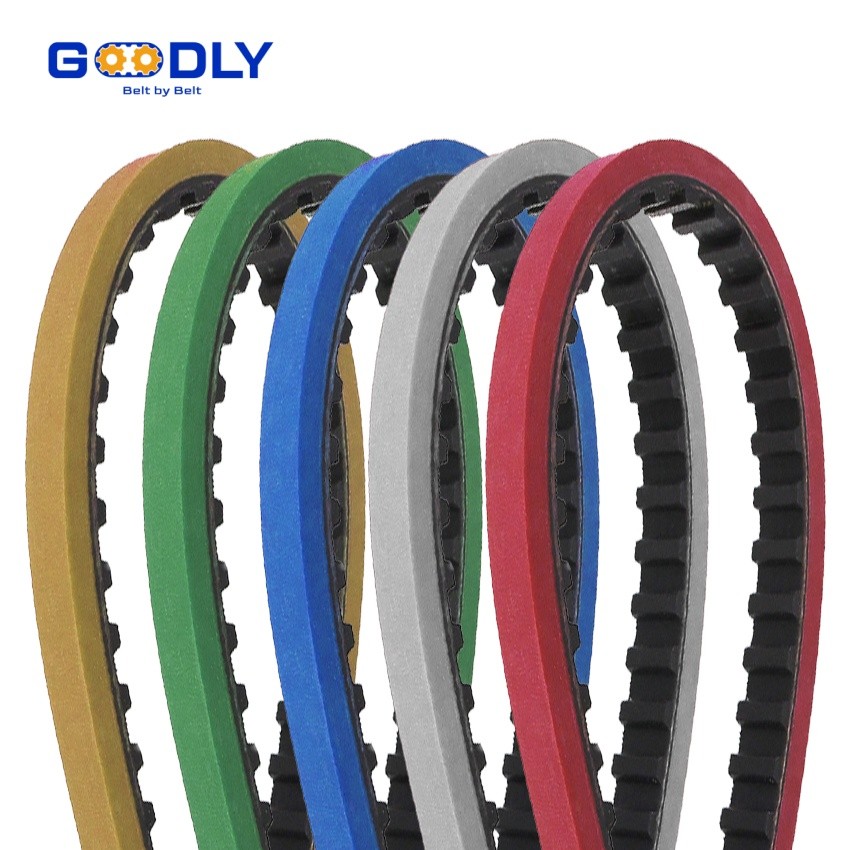
As an automotive enthusiast and a firm believer in preventative maintenance, I often focus on the components that are critical to an engine's health. Among these, the vulcanized timing belt stands out. Many drivers might not give much thought to this unassuming part, but understanding its function and importance is key to prolonging your engine's life and avoiding costly repairs. Today, I want to share insights into the indispensable role our vulcanized timing belts, like those from GOODLT Belts, play in engine synchronization. We'll explore what makes them so vital, how they're constructed, potential causes of failure, and most importantly, how we can proactively ensure their longevity.
Key Takeaways
- Engine Synchronization: A vulcanized timing belt's primary role is to synchronize the rotation of the crankshaft and camshaft, ensuring engine valves open and close at the correct times for efficient combustion.
- Vulcanization Advantage: The vulcanization process chemically alters rubber, making the belt significantly stronger, more elastic, and resistant to heat, chemicals, and wear.
- Material Composition: Timing belts are complex composites, typically made of a durable rubber body, high-strength tensile cords (like fiberglass or aramid), and protective fabric coatings.
- Failure is Catastrophic: A broken timing belt, especially in an interference engine, can cause pistons and valves to collide, leading to severe and expensive engine damage.
- Proactive Maintenance is Crucial: Recognizing warning signs like ticking noises, engine misfires, or visual wear and adhering to manufacturer-recommended replacement intervals is essential to prevent unexpected failure.
- Beyond the Automotive World: The precision and durability of vulcanized timing belts make them vital in various industries, including robotics, manufacturing, and packaging.
The Core Function of a Vulcanized Timing Belt: Orchestrating Your Engine's Precision
At the heart of every internal combustion engine is a meticulously choreographed dance of moving parts. Pistons pump, valves open and close, and sparks ignite fuel—all in perfect, split-second harmony. The conductor of this mechanical orchestra is the timing belt. Its job is to ensure that every component performs its role at the exact right moment. Specifically, a timing belt is a toothed rubber belt that connects the engine's crankshaft to the camshaft(s). As the crankshaft spins with the force of the pistons, the timing belt transmits this rotation to the camshaft, which in turn orchestrates the opening and closing of the engine's intake and exhaust valves. This synchronization is what allows your engine to breathe in the air-fuel mixture and expel exhaust gases efficiently, cycle after cycle.
What Exactly is a Vulcanized Timing Belt?
While often referred to simply as a timing belt, the term "vulcanized" points to a critical manufacturing process that gives the belt its necessary strength and resilience. A vulcanized synchronous belt, another name for a timing belt, is a power transmission belt designed for non-slip operation. Its inner surface has molded teeth that mesh perfectly with the grooves on the engine's pulleys, much like a chain on a sprocket, guaranteeing that the precise rotational timing between the crankshaft and camshaft is never lost.
This positive engagement is what makes it a "synchronous" belt, and the "vulcanized" aspect is what ensures it can survive the harsh environment inside an engine.
The 'Vulcanized' Advantage in Timing Belt Technology
So, what does vulcanization actually do? At its core, vulcanization is a chemical process that transforms raw, weak rubber into a tough, durable, and elastic material. It involves heating the rubber with a curing agent, typically sulfur, under high pressure. This creates strong cross-links between the rubber's long molecular chains, fundamentally changing its properties.
The benefits of this process for a timing belt are immense:
- Enhanced Durability and Strength: Vulcanized rubber is significantly stronger and more resistant to tearing and abrasion than its unvulcanized counterpart. This allows it to withstand the immense and constant forces of a running engine.
- Improved Elasticity: The process enhances the rubber's ability to stretch under load and return to its original shape, which is crucial for absorbing vibrations and maintaining tension in the system.
- Superior Heat Resistance: Engines get incredibly hot, and unvulcanized rubber would quickly deform and fail. Vulcanization greatly improves the rubber's thermal stability, allowing it to maintain its integrity even at high operating temperatures.
- Chemical and Aging Resistance: The engine bay exposes the belt to oil, coolant, and other chemicals. The vulcanization process improves the belt's resistance to these substances and to degradation from oxygen and ozone, slowing the aging process.
Essentially, vulcanization turns a simple rubber band into a high-performance component capable of providing failure-proof transmission for tens of thousands of miles.
Beyond the Engine: Versatile Applications of the Vulcanized Timing Belt
While автомобильная промышленность is where most people encounter timing belts, their precision and reliability make them indispensable in a wide range of other industries. The ability to provide exact, slip-free power transmission is critical for countless applications.
Here are just a few examples:
- Industrial Automation and Robotics: Robotic arms and automated assembly lines depend on the repeatable, precise movements that only a synchronous belt can provide.
- Conveyor Systems: From food processing and packaging to manufacturing and logistics, timing belts drive conveyor systems that require accurate product placement and consistent speeds.
- Textile and Printing Industries: Machinery used for weaving, spinning, and printing requires the precise synchronization provided by timing belts to ensure consistent quality.
- Stone, Ceramic, and Glass Industries: These industries use coated vulcanized belts for grinding, cutting, and transporting heavy, fragile materials with precision and care.
The same principles of strength, precision, and durability that make a vulcanized timing belt essential for your car's engine also make it a cornerstone of modern manufacturing and automation.
Anatomy of the Vulcanized Timing Belt: Why Materials Matter
A vulcanized timing belt is not just a simple loop of rubber. It's a sophisticated composite component, engineered with multiple materials that each play a specific and vital role. The properties of a timing belt are determined by its core components.
Here is a breakdown of its typical anatomy:
| Component | Material | Function |
|---|---|---|
| Belt Body | High-temperature synthetic rubber (e.g., HNBR, Neoprene) | Forms the main structure and teeth of the belt. The vulcanized rubber provides flexibility, heat resistance, and durability. |
| Tensile Cords | Fiberglass, Aramid (e.g., Kevlar®), or Steel | Embedded within the rubber, these cords are the belt's backbone. They provide immense tensile strength and prevent the belt from stretching, which is critical for maintaining engine timing. |
| Tooth Facing | Abrasion-resistant fabric (e.g., Nylon) | This fabric cover protects the tooth surfaces from wear as they engage with the pulleys. It reduces friction and enhances the belt's lifespan. |
| Belt Backing | Rubber or Fabric | This outer layer protects the internal tensile cords from oil, dirt, and abrasion. |
The manufacturing process involves precisely layering these materials in a mold. Tensile cords are spirally wound to ensure even distribution of force, and then the rubber compound is applied. The entire assembly is then cured through the vulcanization process, chemically bonding all the layers into a single, incredibly strong, and unified part. This ensures there's no risk of ply separation, even under the high-torque and high-shock conditions found in an engine.
The Critical Consequences of a Failing Vulcanized Timing Belt
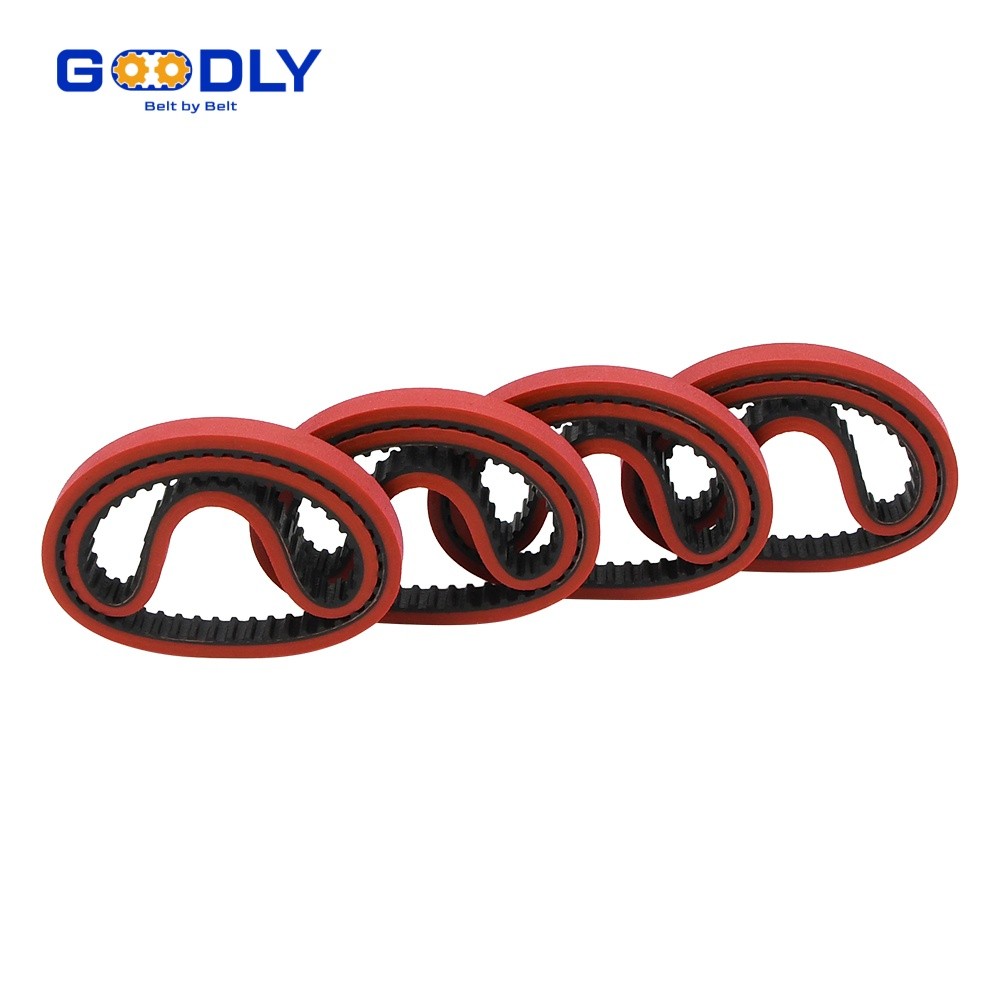
A timing belt is a consumable component; it is designed to be replaced. While its vulcanized construction gives it incredible durability, it is not immune to the harsh realities of time and the intense environment within an engine. Ignoring its recommended service life is a gamble with very high stakes. A failed belt doesn't just mean your car stops running—it can lead to a cascade of expensive and often catastrophic engine failures.
Common Culprits Behind Vulcanized Timing Belt Deterioration
Several factors conspire to break down the robust materials of a timing belt. Understanding these culprits is the first step toward preventing a premature failure.
The relentless March of Wear and Tear on Your Vulcanized Timing Belt
Like all components made of rubber and reinforced fibers, a timing belt naturally degrades over time. Age and mileage are its primary enemies. The constant cycle of tension, friction, and heat causes the vulcanized rubber to gradually lose its flexibility and strength.
Key signs of age-related wear include:
- Cracking: The rubber becomes brittle and develops small cracks, particularly at the root of the teeth or on the belt's backing.
- Stretching: While high-strength internal cords minimize this, a belt can still stretch slightly over its life, which can be enough to throw off engine timing.
- Fraying: The fabric covering on the teeth can begin to wear away and fray at the edges.
- Glazing: The belt's surface can become smooth, shiny, and hard, which reduces its grip on the pulleys.
- Tooth Wear/Shear: Excessive load or misalignment can cause the teeth to wear down or even shear off completely, resulting in a loss of synchronization.
It's important to remember that a belt's age can be just as detrimental as its mileage. Rubber can dry out and become brittle even on a car that isn't driven often, which is why manufacturers provide replacement intervals in both miles and years.
External Factors: How Environment and Installation Impact Vulcanized Timing Belt Lifespan
Beyond simple aging, several external conditions can drastically shorten a timing belt's life:
- Contamination: Oil and coolant leaks are a timing belt's worst nightmare. These fluids are corrosive to the rubber compounds, causing them to swell, soften, and break down rapidly. A properly sealed timing cover is crucial to protect the belt from these fluids as well as from dirt and debris.
- Extreme Temperatures: High engine temperatures accelerate the degradation of the rubber, making it more susceptible to cracking and stretching. Overheating caused by a failing cooling system can significantly reduce a belt's lifespan. Conversely, extremely cold temperatures can make the belt stiff and brittle.
- Improper Tension: A timing belt must be installed with precise tension. If it's too loose, it can skip teeth or slap against its cover. If it's too tight, it puts excessive strain on the belt, its bearings, and the water pump, leading to premature failure of any of those components.
- Misalignment and Component Failure: Incorrect installation or the failure of a related part, like a worn tensioner or a seized idler pulley, can force the belt to run at an angle, causing rapid and uneven wear.
When a Vulcanized Timing Belt Breaks: Catastrophic Engine Damage and Beyond
When a timing belt fails, whether by snapping, stretching, or losing its teeth, the synchronized dance inside the engine stops instantly. The crankshaft, driven by the car's momentum, may continue to spin, but the camshaft stops dead. This means some valves are left frozen in the open position. What happens next depends entirely on the design of your engine.
Interference vs. Non-Interference Engines and Your Vulcanized Timing Belt
The distinction between these two engine designs is the single most important factor in determining the outcome of a timing belt failure.
Interference Engines: The vast majority of modern engines are of an interference design. This design optimizes performance and efficiency by allowing the valves and pistons to occupy the same space within the cylinder, but at different times. When the timing belt breaks, this synchronization is lost, and the still-moving pistons will violently slam into the open valves. The damage is immediate and severe, often including bent valves, damaged pistons, and a destroyed cylinder head. The repair cost can easily run into thousands of dollars and often exceeds the value of the vehicle, leading to a total loss.
Non-Interference Engines: In this less common design, there is always enough clearance between the pistons and valves, even if they go out of sync. If the timing belt breaks, the engine will simply stop running without causing internal damage. While you'll be stranded and still need a tow and a costly repair to replace the belt, you avoid the catastrophic "engine-rebuild" scenario.
Comparison of Engine Types After Timing Belt Failure:
| Feature | Interference Engine | Non-Interference Engine |
|---|---|---|
| Immediate Result | Engine stops abruptly, often with a loud bang. | Engine stops running. |
| Internal Damage | High probability of bent valves, damaged pistons, and cylinder head damage. | No internal component collision. Pistons and valves do not touch. |
| Typical Repair | Extensive engine rebuild or complete engine replacement. | Replacement of the timing belt, tensioner, and related components. |
| Estimated Cost | Extremely high ($3,000 - $7,000+). Often results in the car being written off. | Moderate ($500 - $1,500). Involves parts and significant labor. |
Given that most cars on the road today have interference engines, treating the timing belt replacement schedule as optional is a significant financial risk.
The Ripple Effect: Industrial Risks of Vulcanized Timing Belt Failure
In an industrial setting, the consequences of a timing belt failure extend far beyond a single machine. The ripple effects can be financially devastating.
- Unplanned Downtime: The most immediate impact is a halt in production. Every minute a critical machine is offline translates to lost revenue.
- Product Loss: If a belt fails during a sensitive process, it can ruin an entire batch of products. This is especially true in food processing, pharmaceuticals, or delicate assembly lines where synchronization is key to quality.
- Cascading Equipment Damage: Just as in a car engine, a snapping belt can damage other expensive components in industrial machinery, including pulleys, bearings, and drive shafts.
- Safety Hazards: A sudden, uncontrolled stop or movement in heavy machinery can pose a significant safety risk to operators.
For any business that relies on synchronized machinery, a proactive maintenance plan for timing belts isn't just good practice—it's essential for operational stability and financial health. The cost of a replacement belt is insignificant compared to the potential losses from an unexpected failure.
Recognizing the Warning Signs: Proactively Protecting Your Vulcanized Timing Belt
A vulcanized timing belt rarely fails without giving some warning. Being attuned to your vehicle's sights, sounds, and performance can help you catch a failing belt before it leads to disaster. Proactive listening and looking are your best defenses against an unexpected and costly breakdown.
Visual Cues: What Your Vulcanized Timing Belt is Telling You
In many vehicles, the timing belt is hidden behind a protective plastic or metal cover, making a quick visual check difficult. However, during routine maintenance or if you suspect an issue, removing this cover for an inspection is a critical diagnostic step. If you can see the belt, here's what to look for:
- Cracks: This is one of the most serious signs of wear. Look for small fissures and cracks on the back of the belt or, more critically, at the base of the teeth. A cracked belt has lost its structural integrity and is at high risk of snapping.
- Fraying or Shredding: Check the edges of the belt. If you see material that looks frayed, shredded, or like threads are pulling away, it can indicate a misalignment problem or simply advanced age.
- Glazing or Shiny Spots: A healthy belt has a matte finish. A shiny, glazed, or hardened appearance means the rubber has been exposed to excessive heat and has lost its flexibility. This can lead to slipping and cracking.
- Missing or Damaged Teeth: Inspect the teeth carefully. Any signs of rounding, chipping, or missing teeth are cause for immediate replacement. Loss of teeth means a loss of synchronization, which can cause misfires or complete failure.
- - Contamination: The presence of oil or coolant on the belt is a clear red flag. These fluids degrade the rubber, and the source of the leak (likely a failing seal or water pump) must be repaired along with replacing the belt.
Even if you only notice one of these visual signs, it's a strong indication that the belt's service life is over. Ignoring these cues is a risk not worth taking.
Auditory and Performance Indicators of a Weary Vulcanized Timing Belt
Even if you can't see the belt, you can often hear and feel the signs of its demise. Pay close attention to any changes in your engine's normal operation.
Suspicious Sounds:
- Ticking or Clicking Noise: A fast, repetitive ticking sound coming from the front of the engine is one of the most common signs of a failing timing belt. This sound can be caused by the belt itself being worn or by a problem with the pulleys or tensioner it's connected to.
- Slapping or Knocking: If the belt has stretched or the tensioner is failing, it can become loose. A loose belt can physically slap against the inside of its protective cover, creating a distinct knocking or slapping sound that changes with engine RPM.
- High-Pitched Squealing or Whirring: While often associated with accessory belts (like the alternator or A/C belt), a high-pitched squeal or a whirring noise can also indicate a problem within the timing system. This could be due to a misaligned belt, improper tension, or a failing bearing in the tensioner or an idler pulley. A whirring noise that gets louder after a recent belt change often points to an over-tightened belt.
Performance Problems:
- Engine Misfires or Rough Idling: A worn or stretched timing belt can slip, causing it to jump a tooth on a pulley. This throws off the critical engine timing, leading to cylinders firing at the wrong moment. The result is a rough idle, engine vibration, and noticeable misfires.
- Difficulty Starting: If the timing has slipped significantly, the engine may struggle to start or fail to turn over at all. You might hear the starter motor engaging, but the engine won't fire up because the valves aren't opening and closing correctly for combustion.
- Loss of Power and Poor Acceleration: When engine timing is off, combustion is inefficient. Your car may feel sluggish, struggle to accelerate, or have trouble maintaining speed, especially when climbing hills.
- Increased Exhaust Fumes: Inefficient combustion resulting from poor timing can lead to more unburnt fuel entering the exhaust system, producing an unusually large amount of smoke or fumes.
Any of these auditory or performance issues, especially when paired with an illuminated Check Engine Light, warrant an immediate trip to a trusted mechanic. Diagnosing and replacing a weary timing belt is always preferable to dealing with the aftermath of a broken one.
Maintaining Optimal Performance: Care and Replacement for Your GOODLT Belts Vulcanized Timing Belt
Understanding a timing belt's function and the consequences of its failure underscores the importance of proactive care. Proper maintenance isn't just about avoiding a breakdown; it's about safeguarding your engine's health and ensuring its longevity. By adhering to a disciplined maintenance schedule and making quality choices, you can drive with confidence.
Adhering to Manufacturer Recommendations for Your Vulcanized Timing Belt
The single most important step in timing belt maintenance is to follow the replacement interval recommended by your vehicle's manufacturer. This information is a critical piece of your car's service schedule and can be found in your owner's manual.
- Mileage and Time: Manufacturers provide intervals based on both mileage and time (e.g., 90,000 miles or 7 years, whichever comes first). It's crucial to adhere to both, as the vulcanized rubber degrades from age and heat cycles, not just from miles driven. A ten-year-old belt on a low-mileage car can be just as prone to failure as a high-mileage belt.
- Varying Intervals: These recommended intervals can vary significantly, typically ranging from 60,000 to over 100,000 miles, depending on the car's make, model, and engine design.
- Unknown History: If you purchase a used vehicle and its service history is unknown, the safest course of action is to assume the timing belt is due for replacement. This preemptive measure provides peace of mind and prevents you from inheriting a potential engine disaster.
Sticking to this schedule is the most effective way to prevent the catastrophic and expensive damage that a snapped belt can cause.
The Value of Quality: Choosing and Installing Your GOODLT Belts Vulcanized Timing Belt Correctly
When it's time for a replacement, the quality of the new parts and the expertise of the installation are paramount.
Choosing the Right Parts: Not all timing belts are created equal. While OEM (Original Equipment Manufacturer) parts are a benchmark for quality, reputable aftermarket brands like GOODLT Belts can offer equivalent or even superior performance. High-quality belts use advanced materials like Hydrogenated Nitrile Butadiene Rubber (HNBR) and durable reinforcement cords that better resist heat and distortion. Choosing a trusted brand ensures you are getting a product engineered to meet or exceed the original specifications.
It's highly recommended to replace the timing belt as part of a complete kit. These kits, like those from trusted names such as Gates or Dayco, typically include:
- The timing belt itself
- The tensioner(s)
- Idler pulleys
- Sometimes, a new water pump and seals
Replacing all these components at once is a smart, cost-effective strategy. These parts wear at a similar rate, and the failure of an old tensioner or water pump can destroy a brand-new belt, forcing you to pay for the same labor-intensive job twice.
Ensuring Correct Installation: Timing belt replacement is a complex and precise job that is best left to experienced mechanics. It is not a recommended DIY project for a novice. Here's why professional installation is critical:
- Specialized Tools: The job requires specialized tools for locking the cams, tensioning the belt correctly, and accessing hard-to-reach components.
- Precise Alignment: The most critical step is perfectly aligning the timing marks on the crankshaft and camshaft gears before the new belt is installed. Even being off by a single tooth can lead to poor engine performance, misfires, or internal damage.
- Proper Tensioning: The new belt must be set to the exact tension specified by the manufacturer. A belt that is too loose will slip (ratchet), and one that is too tight will cause premature wear on the belt and associated bearings.
Investing in a quality belt and professional installation is a small price to pay to ensure your engine's heart beats in perfect time for many more years and miles.
Extending Life: Essential Maintenance Tips for Your Vulcanized Timing Belt
While eventual replacement is inevitable, certain maintenance practices can help ensure your timing belt reaches its full-service life without premature failure.
- Keep the Engine Clean: Regularly check for and immediately address any oil or coolant leaks near the front of the engine. Leaks from the camshaft or crankshaft seals can contaminate and quickly degrade the belt.
- Maintain Your Cooling System: Prevent your engine from overheating. An engine that runs too hot accelerates the aging process of the rubber belt. Ensure your coolant levels are correct and that the radiator and fans are functioning properly.
- Inspect Pulleys and Tensioners: During other maintenance, if the timing cover is off, it's a good opportunity for a visual inspection. Check pulleys for smooth rotation and any signs of wear or damage on their surfaces.
- Avoid Aggressive Driving: While a timing belt is built to be robust, consistently pushing your engine to its redline puts additional stress on the entire system. Smooth driving habits can reduce unnecessary strain.
- Proper Storage of Spares: If you store a spare timing belt, keep it in a cool, dry, dark environment away from sunlight, moisture, and chemicals to preserve its material integrity.
By being vigilant and proactive, you can significantly extend the life of your engine and avoid the costly consequences of a neglected timing belt. Regular inspections and adherence to service schedules are your best tools in this effort.
Conclusion
Understanding the role of the vulcanized timing belt and committing to its proper maintenance is a proactive step we can all take to ensure our engines run smoothly and efficiently. This critical component is the maestro of your engine's mechanical symphony, and its health is directly tied to the longevity and performance of your vehicle. It's about more than just avoiding a breakdown—it's about protecting the heart of your car.
By choosing high-quality vulcanized timing belts, such as those offered by GOODLT Belts, and strictly adhering to manufacturer-recommended replacement schedules, we can significantly mitigate the risk of catastrophic engine failure. By recognizing the subtle warning signs of wear—the faint ticks, the slight drop in performance—and acting on them promptly, we empower ourselves to make smart, preventative decisions. Let's not gamble on this essential part. Invest in quality, trust professional installation, and enjoy many more miles of trouble-free driving.
Frequently Asked Questions (FAQ)
1. How often should I replace my vulcanized timing belt? The replacement interval varies greatly by vehicle but is typically between 60,000 and 100,000 miles, or every 5 to 10 years, whichever comes first. Always consult your vehicle's owner's manual for the specific recommendation for your make and model.
2. Can I drive with a bad timing belt? It is extremely risky and not recommended. A worn or failing timing belt can snap without further warning, which can lead to catastrophic engine damage, especially in an interference engine. If you suspect a problem, you should have the vehicle inspected immediately.
3. What is the difference between a timing belt and a serpentine belt? A timing belt is a toothed (synchronous) belt located inside the engine, responsible for synchronizing the crankshaft and camshaft. Its failure can destroy the engine. A serpentine belt is a smooth or ribbed belt located outside the engine that powers accessories like the alternator, power steering pump, and air conditioner. If it breaks, the car will lose those functions and may overheat, but it won't cause internal engine damage.
4. What is an "interference" engine, and why does it matter for my timing belt? An interference engine is a design where the valves and pistons occupy the same space in the cylinder at different times. If the timing belt breaks, the pistons will hit the open valves, causing severe, expensive damage. Most modern engines are interference types, making timely belt replacement absolutely critical.
5. Should I replace the water pump and tensioner with the timing belt? Yes, it is highly recommended. The water pump, tensioner, and idler pulleys are often driven by or work with the timing belt and have similar lifespans. Since replacing the timing belt is a labor-intensive job, replacing these components at the same time is cost-effective and prevents a future failure of one of these parts from damaging your new belt.
6. Is replacing a vulcanized timing belt a DIY job? For most people, no. Timing belt replacement is a complex job that requires specialized tools, precise alignment of engine components, and exact tensioning. A mistake during installation can easily lead to poor performance or severe engine damage. It is a task best left to experienced, professional mechanics.