What Are PU Timing Belts and How Do They Enhance Power Transmission Solutions?
- Share
- Issue Time
- Nov 3,2025
Summary
PU timing belts are increasingly vital components in industrial power transmission, offering superior performance over traditional alternatives like rubber belts and chains. Composed of a durable thermoplastic polyurethane body reinforced with high-strength tensile cords such as steel or aramid, these belts ensure precise, synchronous motion in a multitude of demanding applications. Their unique construction provides exceptional resistance to abrasion, chemicals, oils, and grease, contributing t
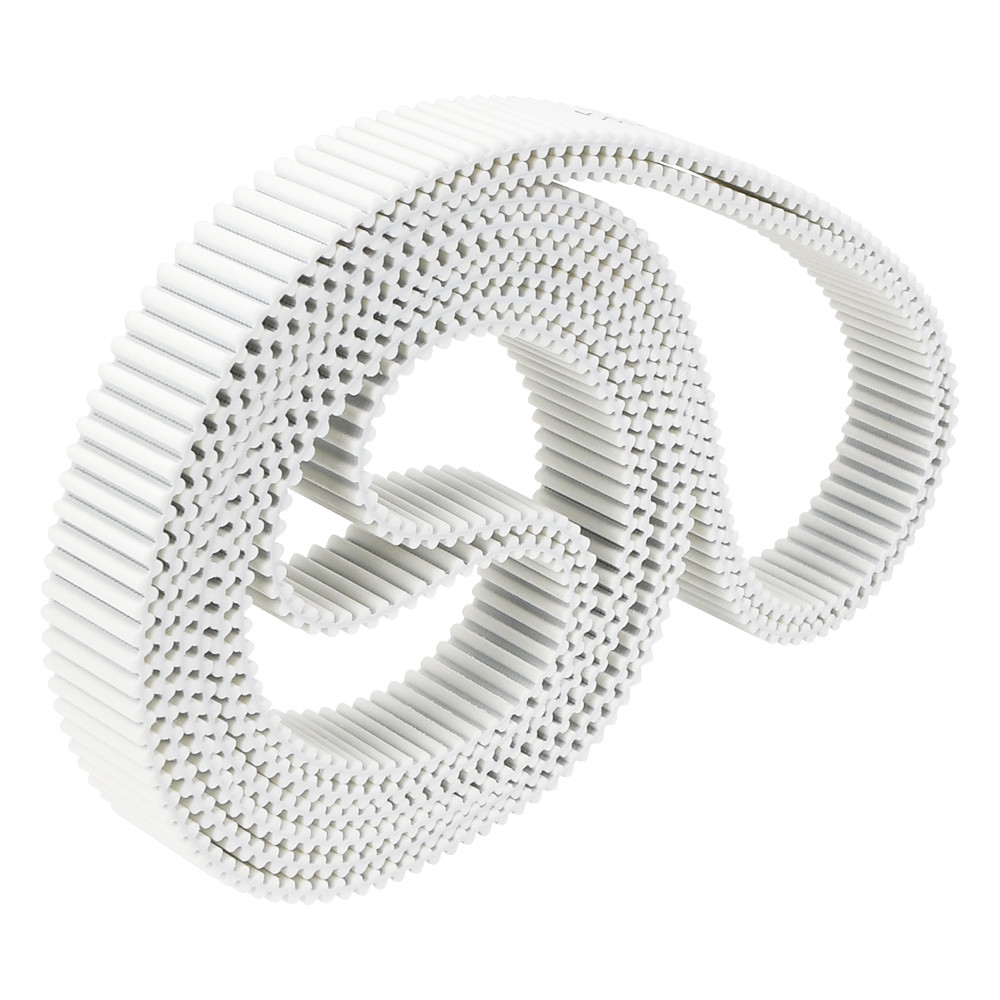
As we explore the world of industrial power transmission, we often encounter components that are vital for smooth and efficient operations. Among these, PU timing belts stand out as a superior choice for many demanding applications. These components are more than just moving parts; they are the lifeline of machinery in countless sectors, ensuring that every movement is precise, synchronized, and powerful. From the high-speed demands of robotic arms to the clean-room requirements of food processing, the reliability of a power transmission system often hinges on the quality of its belts.
This blog post will delve into what PU timing belts are, their unique characteristics, and how they contribute to enhancing power transmission solutions across various industries. We will uncover the science behind their construction, explore the significant advantages they offer over traditional materials, and examine the diverse applications where they have become an indispensable tool for engineers and system designers seeking peak performance and longevity.
Key Takeaways
What are PU Timing Belts: PU (Polyurethane) timing belts are power transmission components made from a durable thermoplastic polyurethane body, reinforced internally with high-strength tensile cords like steel or aramid. This construction combines the flexibility and resistance of polyurethane with the low-stretch, high-strength properties of the reinforcement, enabling precise, synchronous motion.
Core Advantages: The primary benefits of PU timing belts include exceptional durability, high resistance to abrasion, chemicals, oils, and grease, and superior precision. They maintain their shape and alignment even in high-speed applications, ensuring minimal stretch and consistent performance. Additionally, they operate quietly, require no lubrication, and generate less particulate debris than rubber belts, making them a low-maintenance and clean solution.
PU vs. Rubber Belts: Compared to traditional rubber timing belts, PU belts offer significantly better wear and abrasion resistance, resulting in a longer service life. Polyurethane's hardness contributes to slower degradation and higher dimensional stability, which translates to greater precision over time. While rubber may offer better high-temperature resistance and flexibility in some cases, PU excels in cleanliness and resistance to chemical contaminants, making it the preferred choice for sterile or sensitive environments.
Key Applications: The unique properties of PU timing belts make them ideal for a wide range of industries. They are extensively used in industrial automation and robotics for precise positioning, in food processing and medical industries due to their hygienic and non-toxic nature, and in material handling systems for their strength and durability. They are also crucial in precision equipment like CNC machines and 3D printers, where accuracy and low backlash are paramount.
Selection Criteria: Choosing the right PU timing belt involves matching its specifications to the application's demands. Key factors to consider include the required load capacity, operating speed, desired precision, and the environmental conditions (temperature, chemical exposure). It is also important to understand the difference between thermoplastic (TPU) and cast (CPU) polyurethane types and to select the appropriate reinforcement material—such as steel for high tensile strength or aramid for flexibility and shock resistance—to meet performance goals.
Understanding What a PU Timing Belt Is and Its Core Composition
At the heart of modern, high-performance machinery, the PU timing belt stands as a testament to advancements in material science and engineering. To fully appreciate its impact on power transmission, it is essential to first understand its fundamental definition and the sophisticated materials that constitute its structure. These belts are not merely bands of plastic; they are complex components engineered for precision, strength, and endurance.
Defining the PU Timing Belt and Its Material Advantages
A PU (polyurethane) timing belt is a high-performance power transmission belt featuring teeth on its inner surface that mesh with a corresponding toothed pulley. This design ensures a synchronous, slip-free transfer of motion and power. The body of the belt is made from thermoplastic polyurethane (TPU), a highly versatile polymer known for combining the flexibility of rubber with the durability and toughness of rigid plastic.
The material advantages of polyurethane are significant and directly contribute to the belt's superior performance:
- High Abrasion and Wear Resistance: Polyurethane is exceptionally resistant to abrasion, cuts, and tears, far more so than traditional materials like rubber. This durability means the belt's teeth maintain their precise profile for longer, ensuring consistent engagement with the pulley and extending the operational life of the system.
- Chemical and Oil Resistance: PU belts exhibit remarkable resistance to oils, greases, and a wide range of chemicals. This makes them ideal for use in harsh industrial environments, such as automotive manufacturing or machine shops, where exposure to such substances would cause rubber belts to degrade quickly.
- Cleanliness: Unlike rubber belts, which can shed particles (a phenomenon known as "dusting") as they wear, polyurethane belts are non-shedding. This property is critical in industries like food processing, pharmaceuticals, and electronics manufacturing, where particulate contamination must be avoided.
- Dimensional Stability: Polyurethane provides excellent dimensional stability, meaning it resists stretching and maintains its shape under load and across temperature variations. This ensures consistent precision in positioning applications.
The combination of these properties makes polyurethane an ideal material for timing belts that need to deliver reliable, long-lasting, and precise performance in demanding conditions.
The Role of Reinforcement in a Robust PU Timing Belt
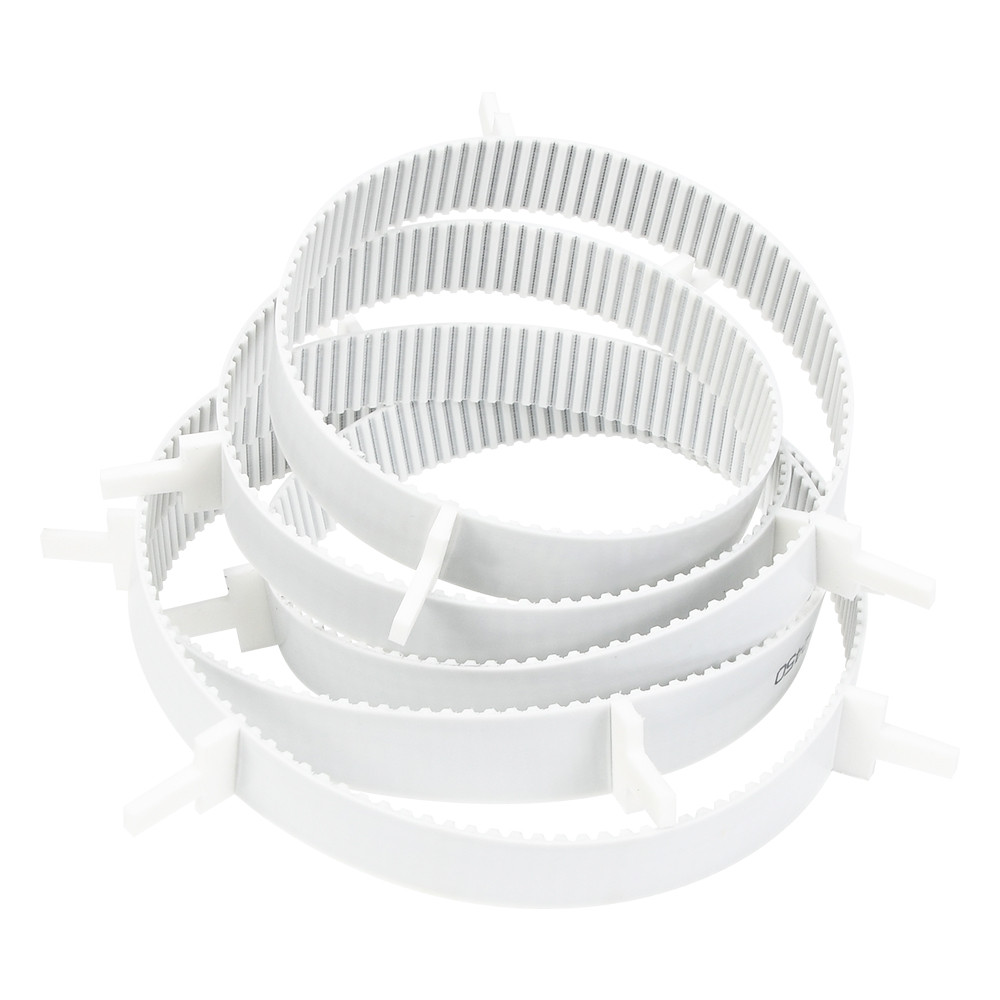
While the polyurethane body provides durability and shape, the true strength of a PU timing belt comes from its internal reinforcement, known as the tension member or tensile cords. These cords are embedded within the polyurethane during the manufacturing process and are responsible for carrying the tensile load, preventing the belt from stretching under force. The choice of reinforcement material is critical and is tailored to the specific demands of the application.
Common reinforcement materials include:
- Steel Cords: This is the most common choice, offering very high tensile strength and extremely low elongation (stretch). Steel-reinforced belts are ideal for applications requiring maximum power transmission, high loads, and extreme positional accuracy. They provide rigidity and ensure the belt's length remains stable over its lifetime.
- Aramid (Kevlar) Cords: Aramid fibers, widely known by the brand name Kevlar, offer a unique combination of high strength, low weight, and excellent flexibility. Aramid-reinforced belts are less rigid than their steel counterparts and offer superior resistance to shock loads and flex fatigue. This makes them suitable for high-speed drives with smaller pulleys or reverse bending. However, they can be susceptible to degradation in very humid environments.
- Fiberglass Cords: Fiberglass is another option that provides good tensile strength, excellent moisture resistance, and superior fatigue strength. It serves as a reliable alternative in applications where steel is not suitable, for instance, in certain corrosive environments.
The synergy between the robust polyurethane body and these high-strength tensile cords is what makes a PU timing belt a powerful and reliable component for synchronous power transmission. The PU protects the cords from external wear and environmental factors, while the cords provide the "muscle" needed to handle demanding tasks without compromise.
| Reinforcement Type | Primary Advantage | Best Suited For | Key Consideration |
|---|---|---|---|
| Steel | Highest tensile strength, minimal stretch | High-load power transmission, precision linear positioning | Higher rigidity, larger minimum bending radius |
| Aramid (Kevlar) | High flexibility, excellent shock absorption | High-speed drives, applications with small pulleys or flex fatigue | Can be sensitive to high humidity |
| Fiberglass | Good fatigue strength, moisture resistance | General-purpose applications, alternative to steel | Lower tensile strength compared to steel |
This careful engineering of materials ensures that whether the task is moving a heavy gantry or positioning a delicate electronic component, there is a PU timing belt designed to do the job with unmatched reliability.
The Superior Advantages of Choosing a PU Timing Belt for Your Systems
Choosing a PU timing belt for an industrial or mechanical system is a strategic decision that brings a host of compelling advantages. These benefits go beyond simple power transmission, influencing the system's overall efficiency, reliability, longevity, and even the operational environment. Engineered from high-performance polyurethane and reinforced with robust tensile members, these belts are designed to overcome the limitations of traditional alternatives, offering a modern solution for modern challenges. Let's explore the superior advantages that make PU timing belts a preferred choice for engineers worldwide.
Exceptional Durability and Resistance: A Hallmark of the PU Timing Belt
One of the most praised attributes of a PU timing belt is its exceptional durability. The polyurethane material itself is inherently tough, exhibiting remarkable resistance to wear and abrasion, which is crucial for components in constant motion. Unlike rubber, which can crack, fray, and degrade from friction, PU timing belts maintain their structural integrity even under high-stress conditions. This translates directly to a longer service life and reduced need for replacements, minimizing machine downtime and associated maintenance costs.
Furthermore, their resistance extends to environmental and chemical factors. PU timing belts are highly resistant to oils, greases, and a broad spectrum of industrial chemicals that would compromise other materials. This makes them exceptionally reliable in demanding settings like manufacturing plants, automotive shops, and food processing facilities where exposure to such substances is common. Their ability to perform consistently in these challenging environments without degradation is a key reason for their widespread adoption.
High Tensile Strength for Heavy Loads: The Power of a PU Timing Belt
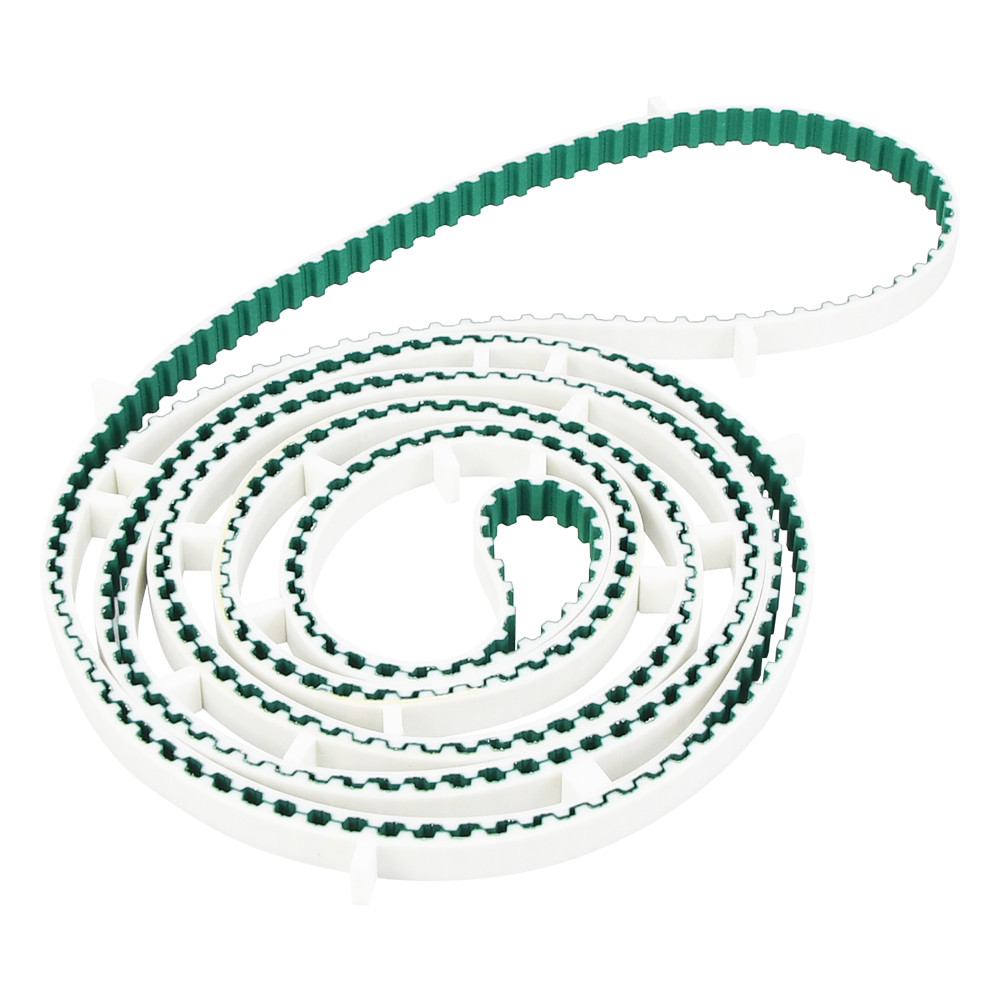
The power of a PU timing belt lies in its impressive tensile strength, which is primarily derived from its internal reinforcement cords. Whether using steel or aramid (Kevlar) cords, these belts are engineered to handle significant loads without stretching. The combination of a tough polyurethane body and high-strength cords allows these belts to transmit high levels of torque and power efficiently. This high strength-to-weight ratio makes them capable of managing heavy-duty machinery in industries such as construction, automotive manufacturing, and large-scale material handling.
Because they resist stretching, PU timing belts ensure that the system's dimensional stability and precision are maintained even when moving heavy components or operating under high tension. This prevents issues like slippage and misalignment, which can lead to catastrophic failure in a power transmission system. The AT series of polyurethane belts, for example, features a larger tooth cross-section and stronger tension members, which increases their power transmission capacity by approximately 50% over standard profiles.
Precision and Synchronization: How a PU Timing Belt Delivers Flawless Performance
PU timing belts are synonymous with precision. Their design, featuring precisely molded teeth that engage perfectly with pulley grooves, ensures true synchronous operation with no slip or loss of motion. This positive engagement is critical in applications where timing and positional accuracy are non-negotiable, such as in robotics, CNC machinery, and high-speed packaging lines. The inherent dimensional stability and low elasticity of the polyurethane material mean there is virtually no backlash, allowing for exact and repeatable movements.
This level of precision ensures that all components within a system move in perfect harmony, which enhances product quality, reduces errors, and boosts overall operational efficiency. For tasks like the precise placement of electronic components by a robotic arm or the synchronized layers of a 3D print, the flawless performance delivered by a PU timing belt is indispensable.
Quiet Operation and Low Maintenance: The Practical Benefits of a PU Timing Belt
In many modern work environments, noise reduction is a significant consideration for both operational efficiency and workplace safety. PU timing belts excel in this area, operating with significantly less noise and vibration compared to metal chains or gears. This is because there is no metal-to-metal contact as the belt engages with the pulleys. The smooth, meshing action of the PU teeth results in a quiet and steady operation, making these belts an excellent choice for applications in enclosed spaces or noise-sensitive environments like medical facilities and laboratories.
From a practical standpoint, one of the most significant benefits is their low-maintenance nature. PU timing belts do not require lubrication of any kind, which eliminates a recurring maintenance task and prevents the accumulation of greasy residue that can attract dirt and contaminants. This lubrication-free operation is particularly valuable in clean industries such as food production and pharmaceuticals. Combined with their long lifespan, the minimal maintenance requirements of PU timing belts translate directly into lower operational costs and increased productivity.
Corrosion, Flame, and Lubrication-Free Benefits of a PU Timing Belt
The advantages of PU timing belts extend to their inherent material properties which provide a trifecta of practical benefits: resistance to corrosion, flame, and the need for lubrication.
- Corrosion-Free: Since they are constructed from polyurethane and often reinforced with stainless steel or aramid, PU timing belts are rust-proof. This makes them ideal for use in humid or wash-down environments where traditional metal components like chains would quickly corrode.
- Flame Resistance: Polyurethane exhibits a degree of flame resistance; when exposed to flame, it tends to carbonize rather than melt and drip like other plastics. This characteristic can be a valuable safety feature in certain applications.
- Lubrication-Free: As mentioned previously, the complete absence of a need for lubrication is a foundational benefit. It simplifies system design, reduces lifetime operational costs, and ensures a cleaner working environment, free from the pollutants associated with lubricants. This makes PU timing belts the superior choice for critical applications where cleanliness and low maintenance are paramount.
These combined advantages make a compelling case for the adoption of PU timing belts across a multitude of industries, proving them to be a versatile, powerful, and cost-effective solution for advanced power transmission.
Comparing PU Timing Belts with Traditional Rubber Alternatives
When designing or upgrading a power transmission system, the choice of belt material is a critical decision that directly impacts performance, longevity, and overall cost of ownership. For decades, rubber timing belts have been a common choice, but the rise of polyurethane (PU) technology has presented a superior alternative for many applications. This section provides a direct comparison between PU and traditional rubber timing belts across key performance metrics, highlighting why PU is often the more advantageous choice.
Durability and Wear Resistance: Where the PU Timing Belt Excels
The most significant distinction between PU and rubber timing belts lies in their durability and resistance to wear. Polyurethane is an inherently harder and more robust material, giving it a substantial advantage in resisting abrasion, friction, and tearing. The surface of a rubber timing belt is more susceptible to wearing down, cracking, or aging, especially in high-friction or high-cycle applications. In contrast, a polyurethane synchronous belt demonstrates far better wear resistance, which means its tooth profiles remain intact for much longer, ensuring consistent performance.
This superior durability translates to a longer service life, which is a crucial factor in reducing maintenance frequency and minimizing costly machine downtime. While rubber belts may suffice for moderate, general-use applications, the exceptional wear resistance of PU belts makes them the definitive choice for demanding industrial environments where reliability is paramount.
Precision and Stability in a PU Timing Belt vs. Rubber
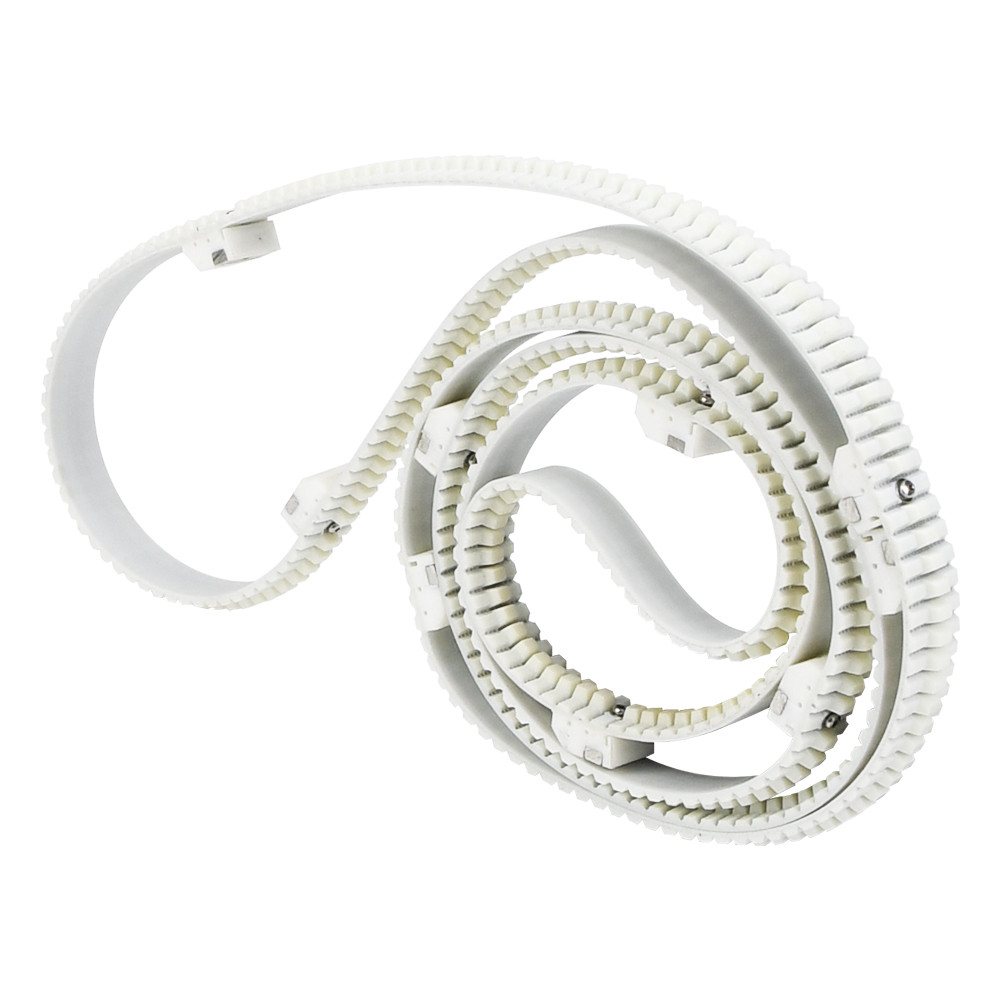
For applications requiring precise motion control and positioning, such as robotics, CNC machining, and automated assembly, a belt's dimensional stability is a non-negotiable attribute. In this regard, PU timing belts once again hold a clear advantage. Due to the material's lower elasticity and the common use of low-stretch steel reinforcement cords, PU belts exhibit minimal elongation under load. This ensures that their length and pitch remain consistent throughout their operational life, leading to higher accuracy and repeatability.
Rubber timing belts, being more elastic by nature, are more prone to stretching over time. This elasticity, while useful for shock absorption, can lead to micro-variations in movement and a loss of synchronization, ultimately compromising the precision of the entire system. Because they can be manufactured with high dimensional accuracy and reinforced with materials like steel or Kevlar, PU timing belts offer superior positioning accuracy.
Environmental Adaptability and Cleanliness with a PU Timing Belt
The operating environment can have a profound impact on a timing belt's performance and lifespan. PU timing belts show remarkable resilience across a wide range of environmental challenges where rubber may falter.
Chemical and Oil Resistance: PU timing belts are highly resistant to oils, greases, solvents, and a variety of other chemicals. Rubber belts, on the other hand, are vulnerable to these substances and can swell, soften, or degrade upon exposure, leading to premature failure. This makes PU the superior choice for machinery in automotive, manufacturing, or chemical processing plants.
Cleanliness and Hygiene: One of the most critical differentiators is cleanliness. Rubber belts are known to shed small particles of material as they wear, creating "rubber dust" that can contaminate sensitive products and environments. PU timing belts are non-shedding, making them essential for cleanroom applications in industries like electronics, medical device manufacturing, and pharmaceuticals. Furthermore, polyurethane's non-porous surface does not absorb moisture or harbor bacteria, and it can be easily cleaned and sanitized, making it compliant with strict hygiene standards in the food and beverage industry.
Temperature and Moisture: While some specialized rubber compounds offer excellent temperature resistance, certain PU formulations can operate reliably in a broad temperature range, from cold storage facilities to heated enclosures. In addition, rubber's tendency to absorb moisture can lead to dimensional changes and degradation, a problem that does not affect the more stable PU belts.
Comparison Table: PU vs. Rubber Timing Belts
| Feature | PU Timing Belt | Rubber Timing Belt |
|---|---|---|
| Wear & Abrasion Resistance | Excellent; hard material resists friction and tearing. | Fair to Good; softer material prone to wear and cracking. |
| Precision & Stability | High; minimal stretch ensures consistent accuracy. | Moderate; higher elasticity can lead to loss of precision. |
| Chemical & Oil Resistance | Excellent; resistant to most oils, greases, and chemicals. | Poor to Fair; susceptible to swelling and degradation. |
| Cleanliness | Excellent; non-shedding, no particulate contamination. | Poor; generates rubber dust as it wears. |
| Hygiene | Excellent; non-porous, easy to clean, bacteria-resistant. | Poor; can absorb moisture and harbor bacteria. |
| Tensile Strength | Very High; often reinforced with steel or Kevlar cords. | Good; typically reinforced with fiberglass cords. |
| Ideal Applications | Precision automation, food/medical, chemical environments. | General-purpose power transmission, shock-absorbing systems. |
In summary, while rubber timing belts remain a cost-effective solution for general, light-duty applications, PU timing belts offer a clear and decisive advantage in any scenario that demands high durability, precision, cleanliness, and environmental resilience.
Diverse Applications Where a PU Timing Belt Makes a Difference
The unique combination of strength, precision, cleanliness, and durability makes the PU timing belt an incredibly versatile component. Its ability to perform reliably in a wide range of conditions has led to its adoption across numerous industries, where it often replaces traditional power transmission methods like chains, gears, and rubber belts. From high-speed automation to sterile medical environments, PU timing belts are enhancing efficiency and reliability.
Industrial Automation and Robotics Utilizing a PU Timing Belt
In the world of industrial automation and robotics, speed and precision are paramount. PU timing belts are integral to achieving the high-speed, accurate, and repeatable movements required by modern automated systems. Robotic arms, pick-and-place machines, and linear actuators rely on the slip-free, synchronous motion provided by these belts to perform complex tasks with micron-level accuracy. Their stability ensures synchronized motion, which is essential for multi-axis systems to function correctly.
The low-stretch nature of steel-reinforced PU belts minimizes backlash, preventing positional errors that could lead to defects in manufacturing. Furthermore, their lightweight construction allows for faster acceleration and deceleration, increasing the overall throughput of automated production lines. The clean, lubrication-free operation is another significant advantage, making them ideal for sensitive environments like electronics assembly, where contamination from lubricants or rubber dust could damage delicate components.
Food Processing and Medical Industries Benefiting from a PU Timing Belt
The food processing and medical industries operate under the strictest hygiene standards, and PU timing belts are specifically designed to meet these requirements. Manufacturers offer food-grade polyurethane belts that comply with FDA and EU regulations for direct food contact. Unlike rubber belts, which can absorb moisture and harbor bacteria, the non-porous surface of a PU belt is easy to clean, resistant to hydrolysis, and does not degrade when exposed to common cleaning agents and sanitizers.
Key benefits in these sectors include:
- Hygienic Operation: PU belts do not shed particles, preventing contamination of food, pharmaceutical, or cosmetic products. Some are even produced in a distinct blue color to allow for easy visual detection of any potential belt fragments.
- Chemical Resistance: They can withstand fats, oils, and aggressive cleaning solutions without compromising their integrity.
- Encapsulated Cords: Many food-grade belts feature fully encapsulated tensile cords, which prevent any fluid from seeping into the belt's core, further enhancing hygiene.
In medical devices and laboratory automation, the quiet, precise, and clean operation of PU timing belts is essential for equipment used in diagnostics, analysis, and patient care.
Material Handling and Conveyor Systems Enhanced by a PU Timing Belt
Material handling and logistics systems, from airport baggage conveyors to automated warehouse sorting, depend on reliable and robust components to keep goods moving. PU timing belts are an excellent choice for these applications due to their high tensile strength and exceptional wear resistance. They can handle heavy loads over long spans without stretching, ensuring consistent and efficient movement.
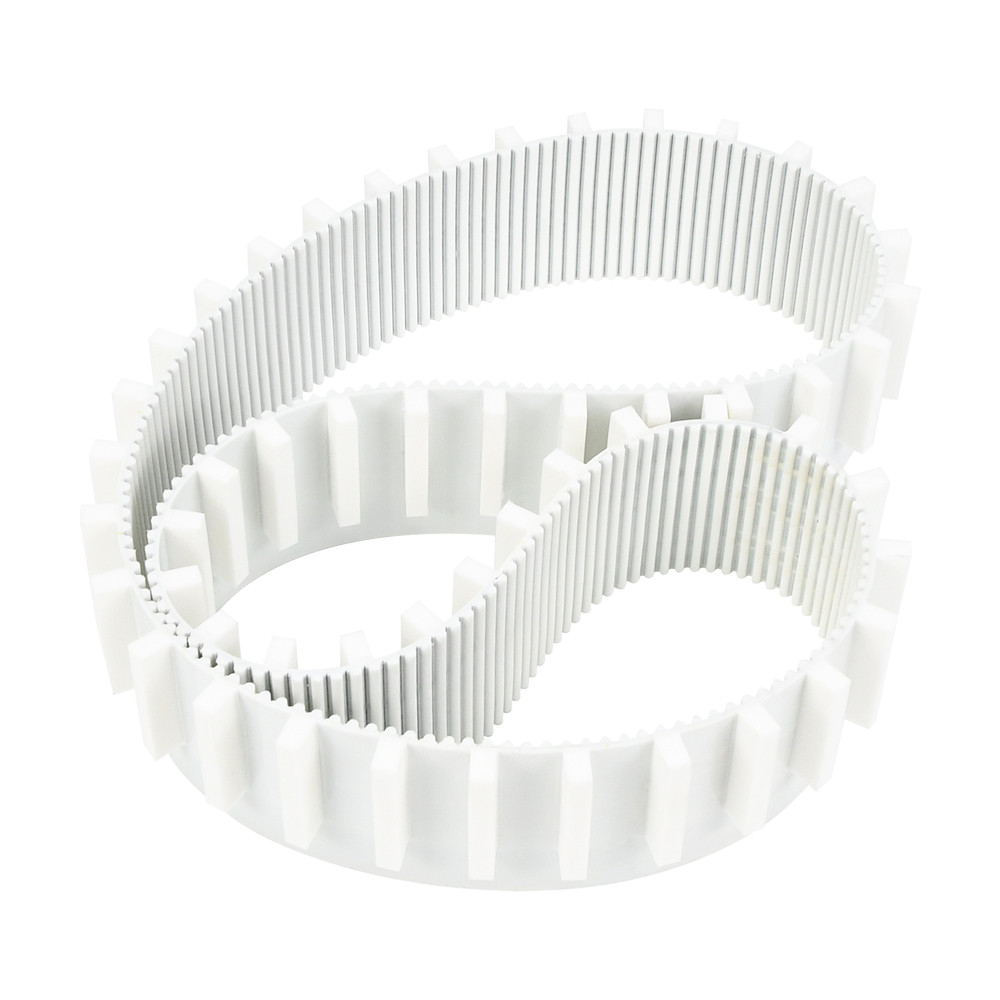
PU belts offer significant customization options for conveyor applications. They can be manufactured in very long, open-ended lengths and can be fitted with a wide variety of cleats, profiles, and special backings. These modifications allow the belts to be tailored for specific tasks, such as indexing, separating, or gently holding products in place during transport. Their durability reduces maintenance and downtime, which is critical in 24/7 logistics operations.
Precision Equipment: The Role of a PU Timing Belt in CNC Machines and 3D Printers
The rise of digital manufacturing has placed a spotlight on the importance of precision components, and PU timing belts are at the forefront. In both CNC (Computer Numerical Control) machines and 3D printers, the timing belt system is directly responsible for the accuracy of the finished product.
In these machines, the belt translates the rotational motion of stepper motors into precise linear movement of the tool head or print bed. The key advantages of using PU timing belts here are:
- Zero Backlash: The tight mesh between the belt's teeth and the pulley ensures there is no play or "slop" in the system, which is crucial for achieving fine details and sharp corners.
- High Positional Accuracy: The low-stretch properties of steel or aramid-reinforced PU belts prevent positional errors, ensuring that each layer of a 3D print or each cut of a CNC machine is placed exactly where intended. GT2 belts, with a 2mm tooth pitch, are a common standard in 3D printing for their ability to deliver smooth and accurate motion without slippage.
- Smooth and Quiet Operation: The smooth operation of PU belts reduces vibrations that could otherwise degrade the surface finish of the part being manufactured.
Other Key Industries Relying on a PU Timing Belt for Optimal Performance
The versatility of PU timing belts extends to many other sectors where their unique properties solve specific challenges:
- Textile Industry: Used in weaving, knitting, and embroidery machines, PU belts provide the precise and synchronized movements needed for complex patterns while ensuring a clean environment free of oil or grease that could stain fabrics.
- Packaging Industry: High-speed packaging, labeling, and filling machines rely on the accurate timing and reliability of PU belts to ensure consistent and efficient operation.
- Printing and Paper Manufacturing: In printing presses, PU belts ensure precise control over paper movement and ink registration, which is critical for high-quality output. Their resistance to chemicals and abrasion extends their lifespan in these demanding environments.
- Woodworking and Ceramics: The durability and abrasion resistance of polyurethane make it suitable for machinery in these industries, where dust and debris are common.
- Automotive and Aerospace: Within these industries, PU belts are used for a variety of applications beyond engine timing, including ancillary systems and automated assembly processes that require high precision and reliability.
Across all these applications, the PU timing belt proves to be more than just a component; it is an enabling technology that pushes the boundaries of performance, efficiency, and reliability.
Key Considerations for Selecting the Right PU Timing Belt
Selecting the optimal PU timing belt is a critical engineering decision that extends beyond simply choosing a component off the shelf. The right choice ensures efficiency, precision, and longevity, while the wrong one can lead to diminished performance, frequent downtime, and even system failure. A thoughtful selection process involves a thorough analysis of the application's unique demands and a clear understanding of the different types of PU belts available.
Matching the PU Timing Belt to Specific Application Requirements
To guarantee peak performance, the PU timing belt must be precisely matched to its operational context. This requires a systematic evaluation of several key parameters. A miscalculation in any of these areas can compromise the entire system.
Here is a checklist of critical factors to consider:
- Load and Torque: What is the maximum power the belt needs to transmit? Evaluate both continuous operating torque and peak loads, such as those during start-up or emergency braking. The belt's tensile strength, determined by its width and reinforcement type, must be sufficient to handle these loads without risk of failure.
- Speed: What is the operational speed of the drive system? High-speed applications may require belts with greater flexibility (like those with aramid cords) to handle rapid flexing around smaller pulleys without generating excessive heat or suffering from fatigue.
- Precision and Positioning Accuracy: How accurate does the movement need to be? For applications like robotics, CNC machining, or printing, a belt with minimal stretch is crucial. Steel-reinforced belts and specific tooth profiles like the AT series are designed for higher stiffness and reduced backlash, ensuring superior positional accuracy.
- Operating Environment: What are the ambient conditions?
- Temperature: Will the belt be exposed to extreme heat or cold? Standard PU belts operate reliably within a certain range (e.g., -30°C to +80°C), but special formulations are available for more extreme temperatures.
- Chemical Exposure: Will the belt come into contact with oils, greases, solvents, or other chemicals? Polyurethane is generally highly resistant, but the specific chemical compatibility should be verified.
- Hygiene: Is it a cleanroom or food-grade application? If so, select a belt made from FDA/EU-compliant materials that is non-shedding and easy to sanitize.
- Physical Constraints: What are the physical dimensions of the system? Consider the center distance between pulleys, the diameters of the pulleys (especially the smallest one), and the available space for the belt's width. Smaller pulley diameters may necessitate a more flexible belt.
By methodically working through these requirements, you can narrow down the choices and identify the belt with the ideal tooth profile, width, and reinforcement material for your specific needs.
Understanding Different Types of PU Timing Belts: TPU vs. CPU
Not all polyurethane is created equal. Within the world of PU timing belts, a fundamental distinction exists between two primary types of polyurethane: Thermoplastic Polyurethane (TPU) and Cast Polyurethane (CPU). Understanding their differences is key to selecting the correct belt for a given application.
1. Thermoplastic Polyurethane (TPU) Belts:
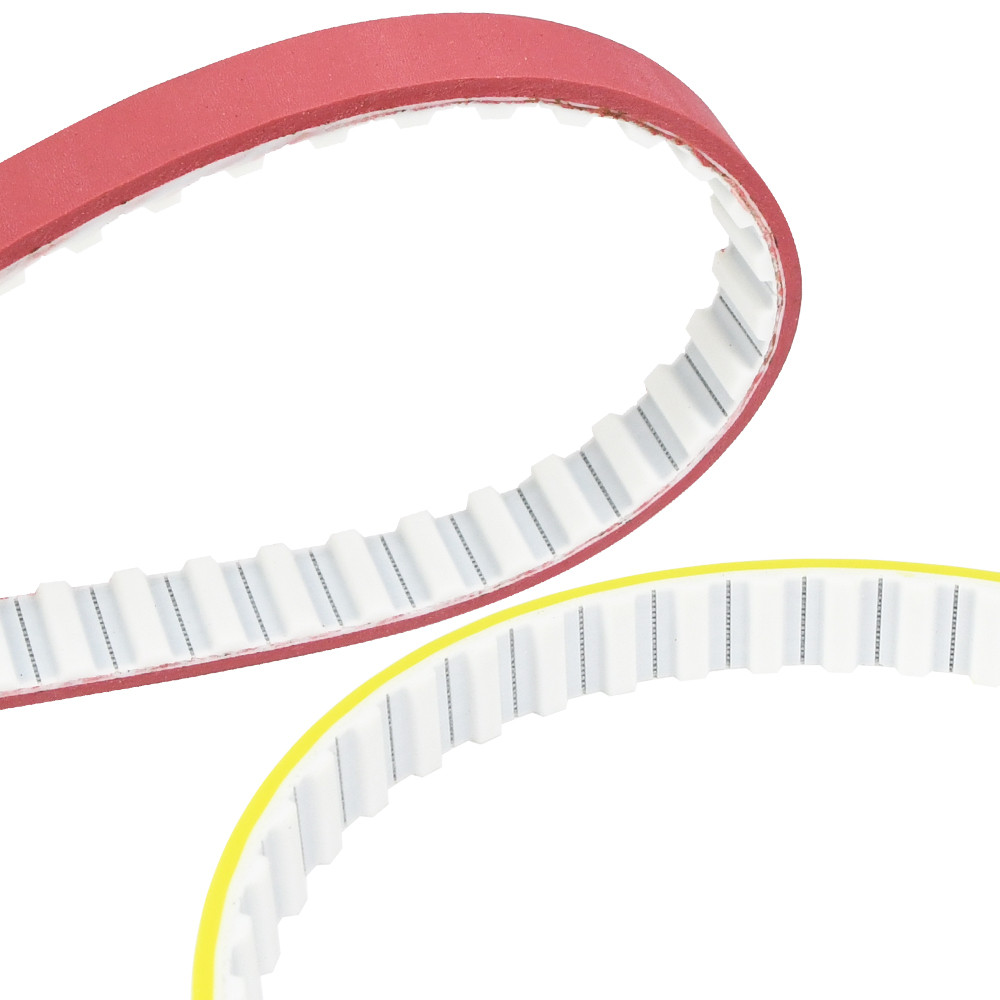
TPU is a linear polymer that can be melted and reshaped multiple times, much like other thermoplastics. TPU belts are typically manufactured through an extrusion process, resulting in long, open-ended rolls that can be cut to any length. These open-ended belts can be made endless by using a welding process (finger-splicing) to join the ends.
- Key Characteristics of TPU Belts:
- Versatility: Ideal for custom-length applications, especially in long conveyor systems.
- Weldability: Can be easily made endless on-site, offering flexibility for installation and repair.
- Good Overall Performance: They offer excellent wear resistance and are suitable for general power transmission and conveying applications.
- Common Applications: Widely used in material handling, logistics, and food processing conveyors where custom lengths are often required.
2. Cast Polyurethane (CPU) Belts:
CPU, also known as thermoset polyurethane, is created through a casting process. During manufacturing, liquid polyurethane is poured into a cylindrical mold and cured with heat, causing an irreversible chemical reaction (cross-linking) that sets the material into its final, solid form. This process produces truly endless belts without any joints or splices.
- Key Characteristics of CPU Belts:
- Superior Mechanical Properties: The cross-linked molecular structure gives CPU superior strength, elasticity, and resistance to abrasion and fatigue compared to TPU.
- Truly Endless Construction: The absence of a weld or splice means there are no weak points, ensuring uniform strength and tension along the entire belt.
- High Performance: Best suited for high-load, high-precision power transmission where dynamic performance and durability are critical.
- Common Applications: Often used in high-precision automation, CNC machine tools, and demanding power transmission drives where maximum reliability and strength are needed.
Comparison Table: TPU vs. CPU Belts
| Feature | Thermoplastic Polyurethane (TPU) | Cast Polyurethane (CPU) |
|---|---|---|
| Manufacturing Process | Extrusion | Casting (Molding) |
| Form | Open-ended rolls, can be welded endless | Truly endless (seamless) |
| Mechanical Properties | Good strength and wear resistance | Superior strength, elasticity, and fatigue resistance. |
| Performance Weakness | The welded joint is a potential weak point | Uniform strength, no weak points |
| Primary Advantage | Highly versatile, customizable lengths | Maximum performance and durability |
| Ideal Use Case | Conveying and linear motion systems | High-load, high-precision power transmission |
In essence, the choice between TPU and CPU depends on the application's priorities. If flexibility in length and ease of installation for a conveying application are most important, a TPU belt is often the best choice. If the application demands the highest possible strength, precision, and durability for power transmission, a CPU belt is the superior option.
Frequently Asked Questions (FAQs)
1. Can PU timing belts be used in oily or greasy environments?
Yes, one of the primary advantages of PU timing belts is their excellent resistance to oils, greases, and many other chemicals. Unlike rubber belts, which can swell, soften, and degrade when exposed to these substances, polyurethane maintains its structural integrity and performance. This makes PU timing belts an ideal choice for machinery in automotive plants, machine shops, and industrial settings where contact with lubricants is common.
2. Are PU timing belts noisy?
No, PU timing belts are known for their quiet operation. The noise level is significantly lower than that of metal roller chains or gears because there is no metal-to-metal contact. The smooth meshing of the polyurethane teeth with the pulley grooves results in minimal noise and vibration, which is a major benefit in noise-sensitive environments like laboratories, medical facilities, or office equipment.
3. How long do PU timing belts last, and what affects their lifespan?
The lifespan of a PU timing belt is generally much longer than that of a rubber belt due to its superior wear resistance. However, the exact service life depends on several factors, including proper installation, tensioning, alignment, load, speed, and the operating environment. Factors that can shorten a belt's life include excessive tension, pulley misalignment, exposure to temperatures outside the recommended range, and contact with aggressive chemicals or sharp debris. Regular inspection for signs of tooth wear, cracks, or tension loss can help maximize lifespan and prevent unexpected failures.
4. Can I replace a rubber timing belt with a PU timing belt?
In many cases, yes, but it requires careful consideration. A direct replacement is possible if a PU belt with the same pitch, tooth profile, and width is available. However, because PU belts are less elastic and often more rigid (especially steel-reinforced versions), pulley diameters and system tension requirements may need to be re-evaluated. Pulley materials should also be compatible. A switch to a PU belt can offer significant advantages in durability, precision, and cleanliness, but it is recommended to consult with a belt manufacturer or an engineer to ensure all system parameters are correctly matched.
5. Do PU timing belts require lubrication?
No, PU timing belts are completely lubrication-free. The friction between the polyurethane belt and the pulley is managed by the material properties and design, eliminating the need for any external lubricants. This is a major maintenance advantage, as it reduces service time and costs. It also ensures a clean operating environment, which is critical for industries such as food processing, pharmaceuticals, and electronics manufacturing, where contamination from oil or grease is unacceptable.
6. What are the common signs that a PU timing belt needs to be replaced?
Several visible and audible signs indicate that a PU timing belt is nearing the end of its life. Visually inspect the belt for surface cracks, fraying on the edges, and wear or distortion of the tooth profile. Missing teeth are a clear sign of failure. Audibly, an increase in operational noise or vibration can suggest improper tension or significant wear. Functionally, a loss of tension or noticeable stretching can lead to decreased positioning accuracy, indicating that the internal tensile cords may be fatigued or damaged. Proactive replacement based on these signs can prevent system damage and costly unplanned downtime.
In conclusion, PU timing belts are a sophisticated and highly effective solution for a wide array of power transmission challenges. Their advanced material composition delivers unparalleled advantages in durability, strength, and precision, setting a new standard for performance in modern machinery.
Their combination of strength, precision, durability, and versatility makes them an indispensable component in modern industrial and mechanical systems, continuously enhancing performance and reliability. By offering a clean, quiet, and low-maintenance alternative to traditional options like rubber belts and chains, PU timing belts not only improve operational efficiency but also contribute to a safer and more productive work environment. As industries continue to demand higher speeds, greater accuracy, and uncompromising reliability, the role of the PU timing belt will only become more critical. We encourage you to explore how these advanced components can revolutionize your own power transmission systems. Share this article with colleagues who might benefit, and feel free to leave any questions or comments below