What Is a Timing Belt? Complete Guide to How It Works, Types and Industrial Uses (2026)
- Share
- publisher
- GOODLY Belts
- Issue Time
- Oct 15,2026
Summary
A timing belt is a toothed, positive-drive belt that synchronises two or more shafts without slip. This 2026 guide explains what a timing belt is, how a timing belt works, the main tooth profiles and materials, and where industrial timing belts are used in packaging, printing and automation machinery. Includes a profile comparison table, an OEM selection checklist and answers to the questions engineers ask most.
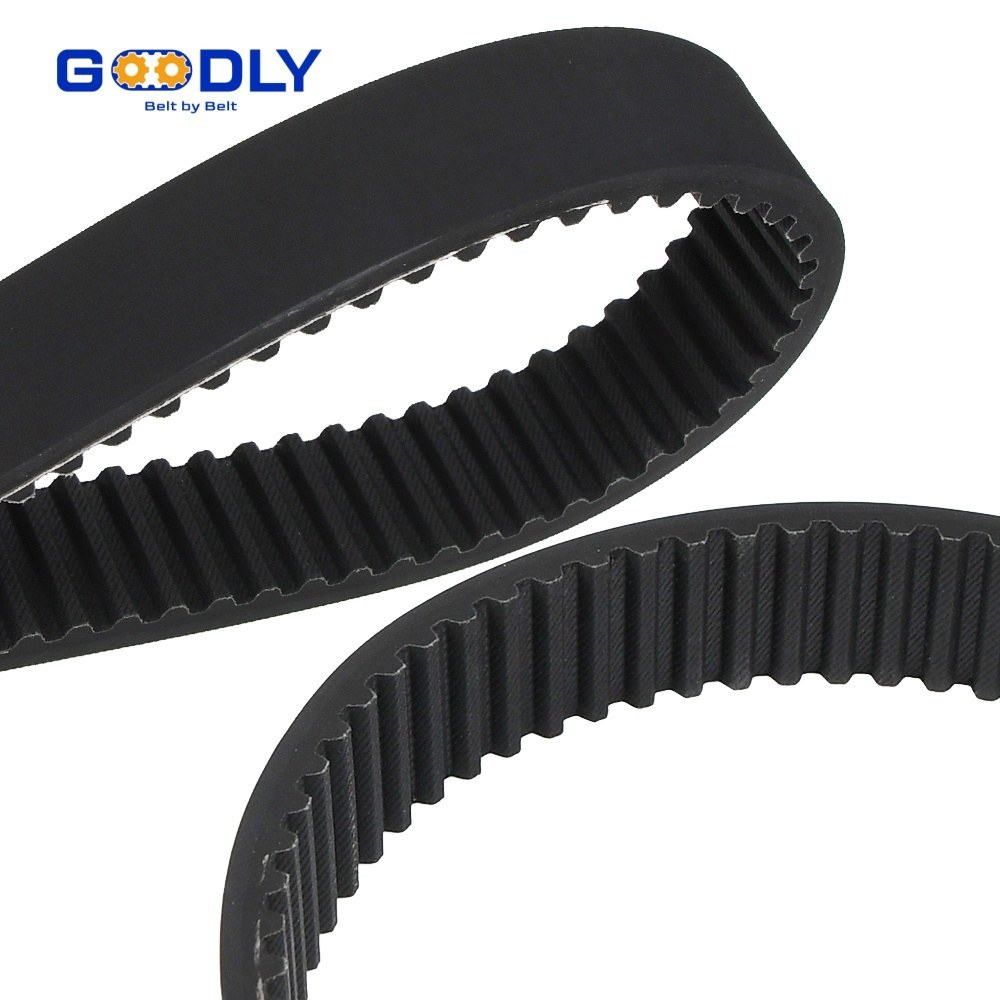
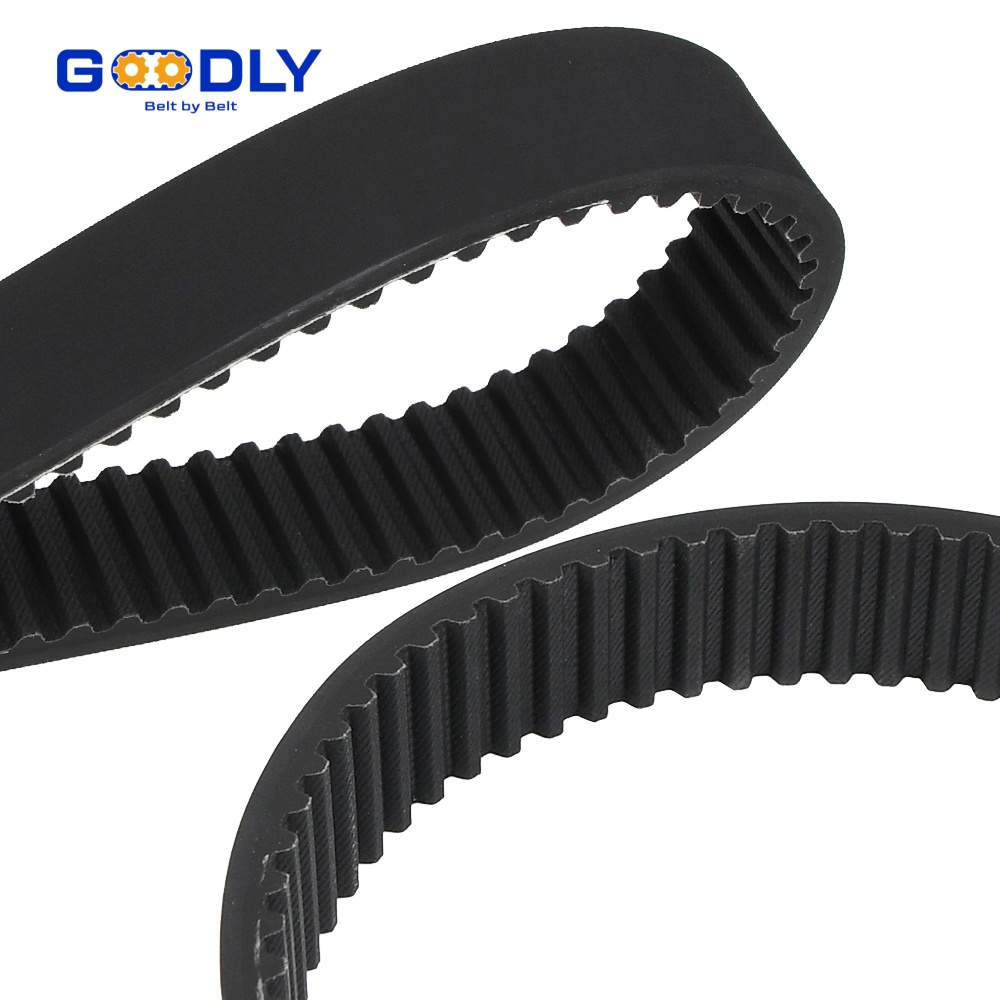
What Is a Timing Belt and How Does a Timing Belt Work?
Definition, construction and the positive-engagement principle behind every industrial timing belt drive
A timing belt is a toothed, flexible drive belt that meshes with grooved pulleys to transmit motion and torque with no slip. Unlike a friction belt, its teeth engage positively with the pulley, so the driven shaft stays in step with the driving shaft at every revolution. That single property is why the timing belt is the default choice for indexing conveyors, printing units, packaging heads and any machine where position accuracy matters more than raw power. This guide explains how a timing belt works, the tooth profiles and materials behind it, and how industrial timing belts are specified in 2026.
Timing Belt Definition: Tooth Profiles, Pitch and Positive Engagement Explained
Formally, a timing belt definition has three parts: a toothed elastomer body, a high-tensile tension member (glass, aramid or steel cord) and a wear-resistant tooth facing. The pitch is the centre-to-centre distance between two adjacent teeth; the profile is the tooth shape. Together they set how much load one tooth can carry and how precisely the belt indexes. A 0.1 mm pitch mismatch between belt and pulley can cut a drive’s load capacity dramatically, which is why we specify pitch on the drawing, not on a photo.
| Profile | Pitch (mm) | Typical use | Strength vs cost |
|---|---|---|---|
| T2.5 / T5 / T10 (trapezoidal) | 2.5 / 5 / 10 | Indexing, light power, older designs | Economical, precise |
| HTD 3M / 5M / 8M / 14M | 3-14 | General industrial drives, conveyors | High torque per width |
| GT2 / GT3 | 2 / 3 / 5 | 3D printers, CNC, robotics | Near-zero backlash |
| AT5 / AT10 / AT20 | 5 / 10 / 20 | Heavy conveying, machine tools | High tooth volume |
| XL / L / H (imperial) | 5.08 / 9.53 / 12.7 | Legacy North American equipment | Widely available |
The positive-engagement principle also explains why a timing belt runs quietly and cleanly: there is no friction drive, so no slip, no belt dressing and no need for the high tension a V-belt requires. Related reading: metric timing belt pitch and system design.
Timing Belts vs Other Drive Belts: Where a Timing Belt Drive Fits Best
Engineers often compare belt families before committing. A timing belt drive wins wherever synchronisation is mandatory; a serpentine or V-belt wins where shock absorption and low cost matter more than exact positioning; a chain wins in extreme heat. The table below summarises the trade-off for industrial machinery.
| Drive | Transmission | Slip | Noise | Best for |
|---|---|---|---|---|
| Timing belt (synchronous) | Positive, tooth mesh | None | Low | Indexing, synchronisation, precision |
| Serpentine / poly-V belt | Friction, multiple ribs | Yes under overload | Moderate | Accessory and fan drives |
| V-belt | Friction, wedge | Yes | Moderate | Legacy, shock-tolerant drives |
| Chain | Positive, links | None | High | Hot, heavy-duty, low-speed |
If your machine needs two shafts to stay locked together — a print cylinder to a web, a bag former to a sealing jaw — a synchronous timing belt is the correct answer. If you are unsure which family fits your machine, our guide on choosing the right industrial belt walks through the decision.
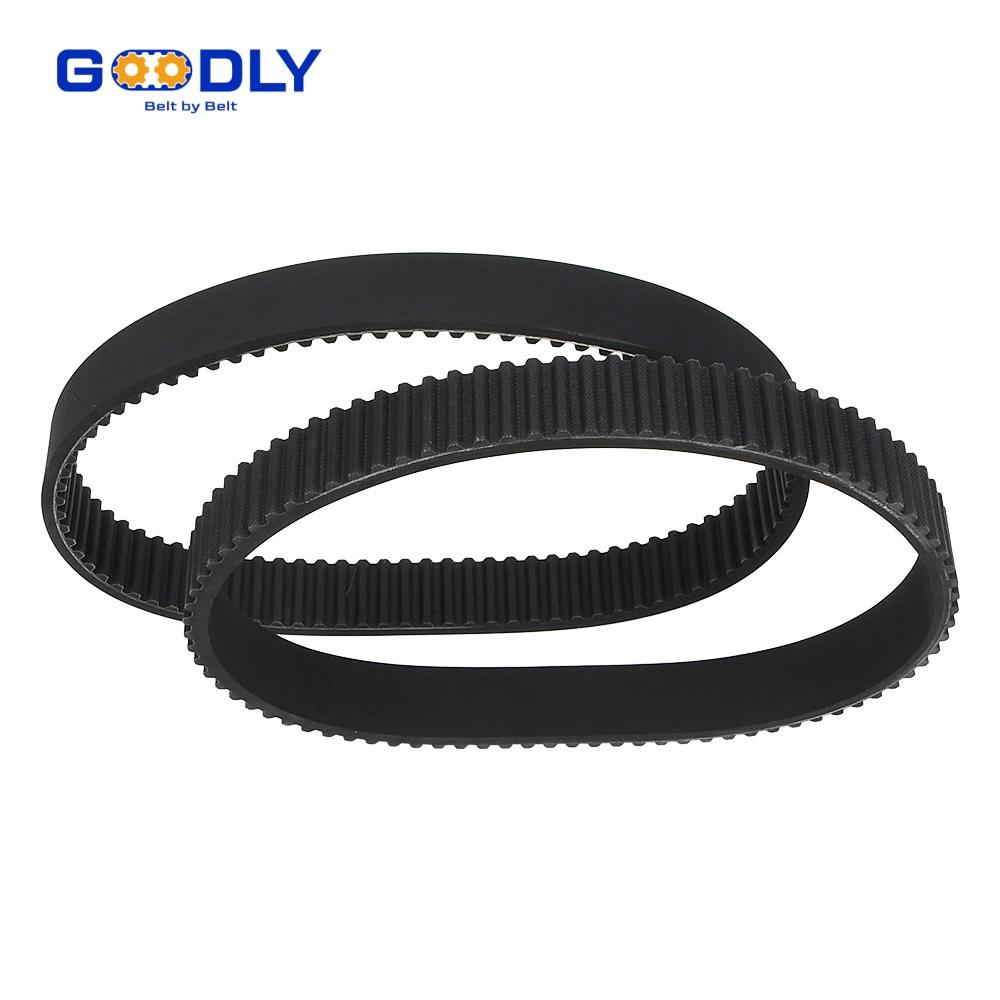
Types of Timing Belts Used in Packaging, Printing and Automation Machinery
In practice the industrial timing belt market splits by construction and by material rather than by shape alone. The five constructions below cover the vast majority of machine builds we quote every week.
Endless (closed) belts
Moulded as a continuous loop for fixed centre distances and the highest pitch accuracy.
Open-ended belts
Supplied as a length and joined on site — ideal for long conveyor runs.
Double-sided belts
Teeth on both faces drive two shafts from one belt in reversing mechanisms.
Coated / backed belts
Rubber, sponge or fabric backing adds grip or gentle handling.
Special machining
Slitting, grooving and profile mods for build-to-print machines.
High-temperature belts
Silicone and vulcanised grades for heat, hygiene or washdown.
Timing Belt Materials: Rubber, Neoprene, Silicone and Polyurethane Options
Material choice follows the environment. Neoprene and rubber handle general industrial loads; polyurethane offers abrasion and oil resistance with excellent dimensional stability; silicone adds heat resistance to 200°C and food-contact compliance. Reinforcements matter too: glass cord is the workhorse, aramid (Kevlar) adds strength for shock loads, and steel cord suits the highest-torque drives. For the profile and pitch behind each option see our pitch and system design guide, and compare grades on the Timing Belt product pages.
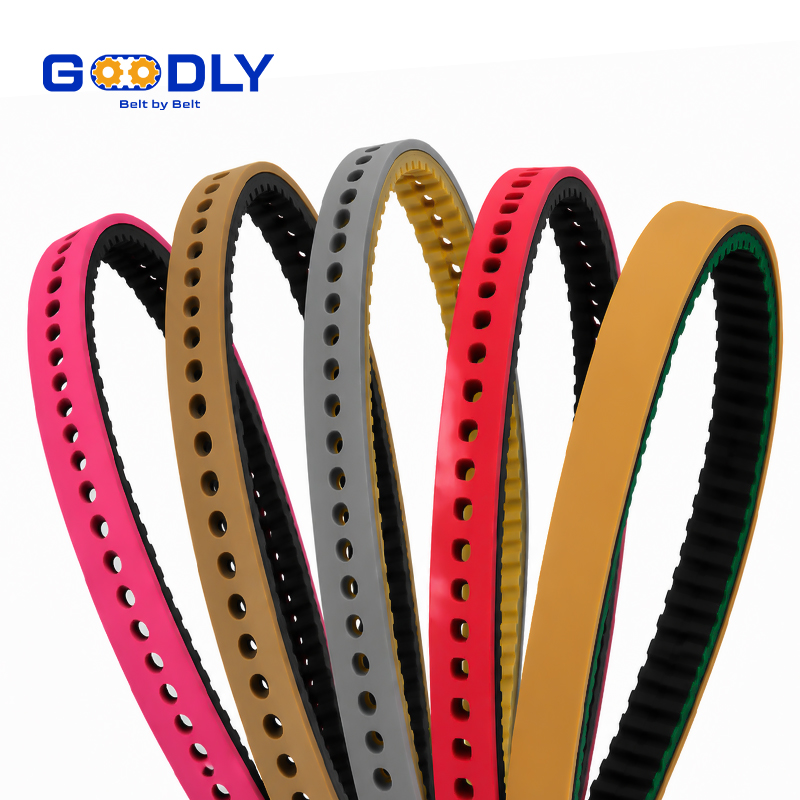
How GOODLY Manufactures Industrial Timing Belts for Machine Builders Worldwide
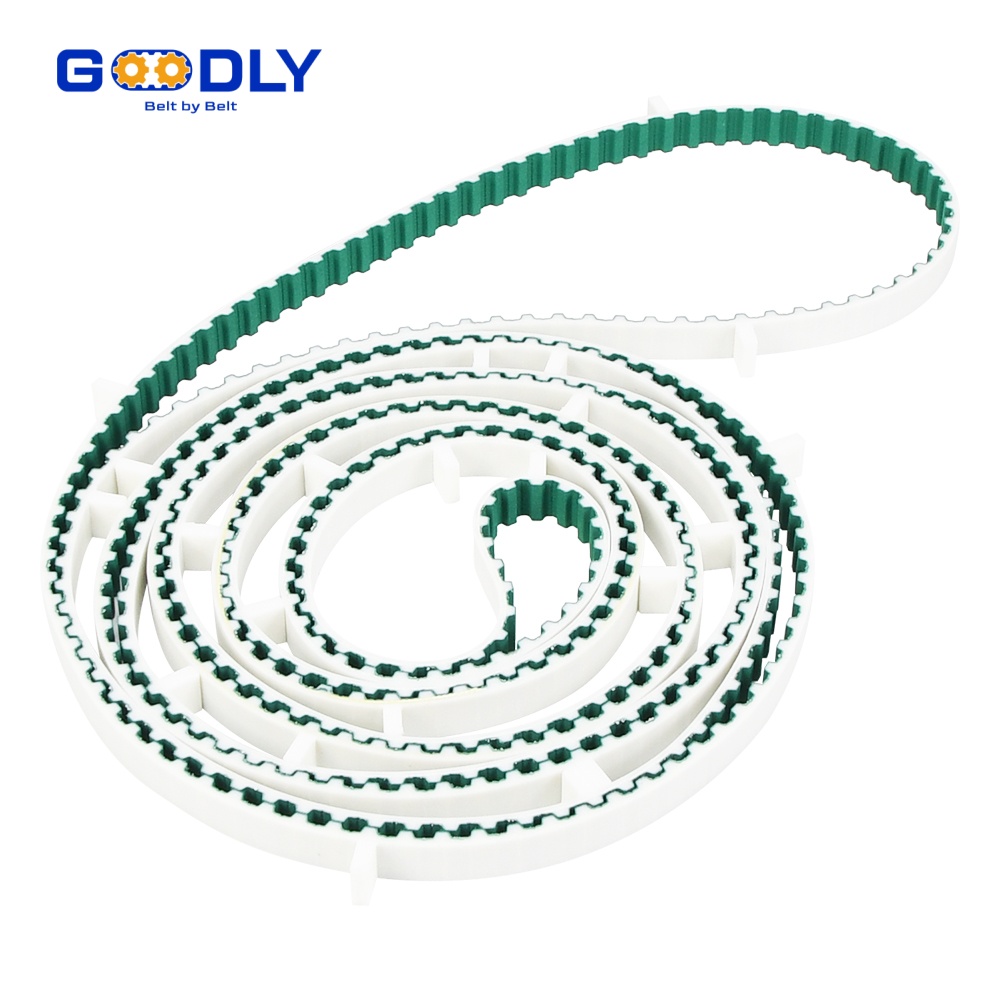
GOODLY is a China-based industrial timing belt manufacturer serving OEMs and machine builders in packaging, printing, food and automation. We produce rubber timing belts, polyurethane timing belts, silicone timing belts and vulcanised grades, then finish them with slitting, grooving and custom backings at our special machining line.
Every order is built to ISO 5296 tooth geometry, dimensionally verified to ±0.05 mm on pitch and length, and released with a dimensional report. Buyers who need a factory-direct partner can start from our About GOODLY page, or go straight to the Timing Belt product range.
Frequently Asked Timing Belt Questions from OEM Engineers
How does a timing belt differ from a serpentine belt?
A timing belt has teeth and drives in positive engagement; a serpentine belt is a flat, ribbed friction belt that runs external accessories. A timing belt keeps two shafts synchronised, a serpentine belt does not.
What is the pitch of a timing belt?
Pitch is the distance from the centre of one tooth to the centre of the next. Common metric pitches are 2 mm, 3 mm, 5 mm, 8 mm and 14 mm; imperial pitches include XL (5.08 mm) and L (9.53 mm).
Do all timing belts need a tensioner?
Most drives use an idler or tensioner to set pre-tension, but the positive engagement means tension is far lower than for a V-belt. Over-tensioning is a common cause of early failure.
Can a timing belt be spliced on site?
Yes. Open-ended and PU belts can be joined mechanically or by vulcanisation, which is useful for long conveyor runs where a closed belt cannot be threaded through the frame.
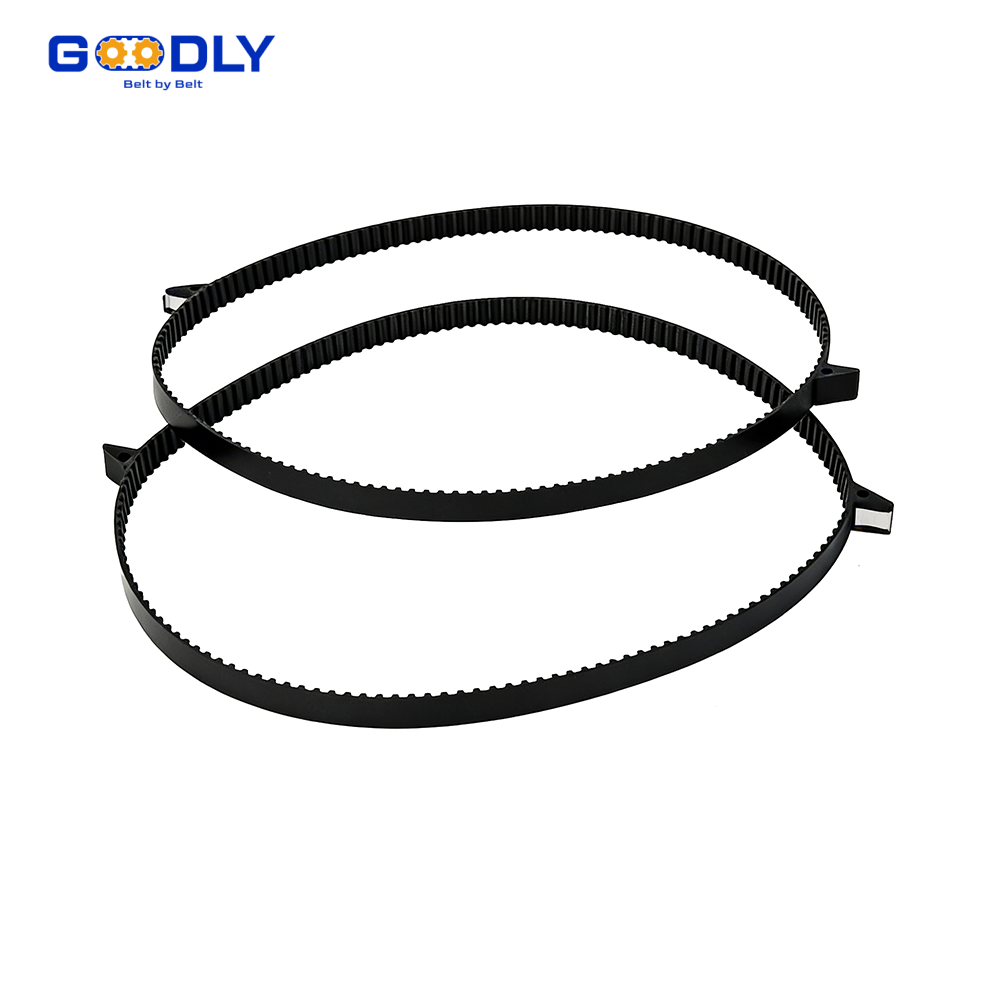
Need a timing belt built around your machine?
Send your drawing, pitch and duty cycle and our engineers will return a quote, a material recommendation and a dimensional tolerance commitment — usually within 48 hours.
Get a Timing Belt QuoteFigures quoted are typical GOODLY production capabilities and are confirmed per order. Standards referenced include ISO 5296 for tooth geometry and FDA 21 CFR 177.2600 for food-contact grades.