Why Replacing Your Vulcanized Synchronous Belt is Crucial
- Share
- Issue Time
- Nov 4,2025
Summary
The vulcanized synchronous belt, commonly known as a timing belt in automotive applications, is a crucial component ensuring the precise synchronization of an engine's internal parts, such as the crankshaft and camshaft, to regulate valve timing. Its failure can lead to catastrophic engine damage, particularly in interference engines where pistons can collide with valves [1, 3, 6]. These belts are constructed from materials like synthetic rubber (Neoprene, HSN/HNBR, or Polyurethane for specific
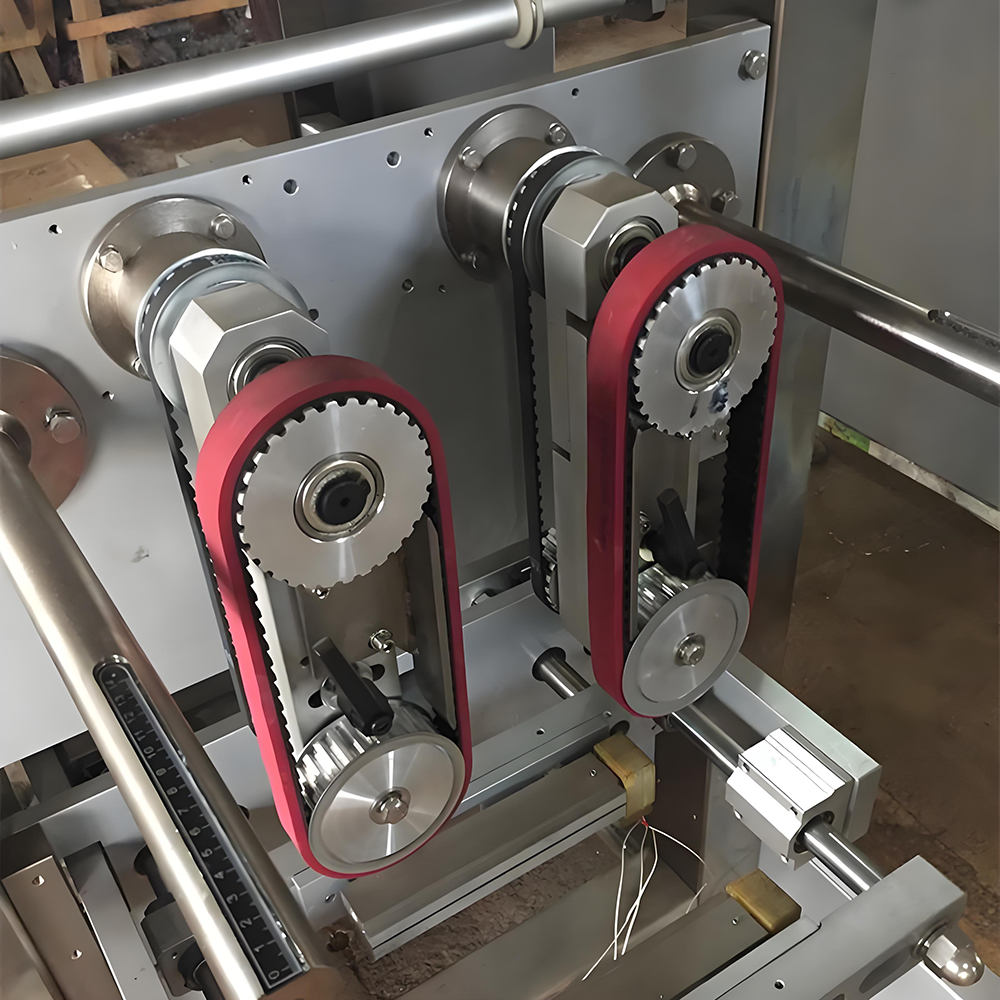
As an automotive enthusiast and a firm believer in preventative maintenance, I often stress the importance of understanding the unsung heroes of our engines. Among these, the vulcanized synchronous belt stands out—a critical component that, despite its hidden nature, plays a monumental role in keeping our vehicles and industrial machinery running smoothly. Many people overlook the maintenance needs of their machines until a breakdown forces their attention. Today, we're diving deep into why the timely replacement of your vulcanized synchronous belt isn't just a recommendation but a crucial step to safeguard your engine and your wallet.
Vulcanized synchronous belts, often called timing belts in the automotive world, are vital for an engine's precise operation. They are responsible for synchronizing the rotation of the crankshaft and camshaft, ensuring the engine's valves open and close at precisely the right moments in relation to the pistons. Neglecting this key maintenance item is not a gamble worth taking, as it can lead to severe engine problems and catastrophic, costly repairs.
Key Takeaways
This article will serve as your comprehensive guide to understanding the vulcanized synchronous belt. Here are the key points we will cover to help you appreciate its importance and manage its maintenance proactively:
- The Fundamental Role: We will explore what a vulcanized synchronous belt is, its material composition, and how it acts as the "pacemaker" of an engine, ensuring all moving parts work in perfect harmony. We will also touch upon its diverse applications outside of automotive engines.
- Understanding Failure: We will detail the common causes of belt deterioration, including natural wear and tear, environmental factors like heat and oil contamination, and issues arising from improper installation. The section will also highlight the catastrophic consequences of a belt failure, particularly the risk of piston-to-valve collisions in interference engines.
- Recognizing Warning Signs: Don’t wait for a complete failure. We will teach you how to identify the tell-tale signs of a failing belt, from visual cues like cracks and worn teeth to auditory warnings such as ticking or squealing noises and noticeable drops in engine performance.
- Proactive Replacement Strategy: This section emphasizes the importance of adhering to manufacturer-recommended replacement intervals. We will discuss typical lifespans and stress the value of replacing related components like tensioners and water pumps simultaneously. Choosing a high-quality belt and ensuring its professional installation are also key topics.
- Enhancing Longevity: You can extend your belt's life with proper care. We will provide actionable maintenance tips, including the importance of regular inspections, maintaining correct belt tension and alignment, and protecting it from environmental hazards like oil leaks and extreme temperatures. By the end of this article, you will have a thorough understanding of why proactive replacement of your vulcanized synchronous belt is not an upsell, but an essential investment in the long-term health and reliability of your machinery.
The Indispensable Role of the Vulcanized Synchronous Belt
Deep within the intricate workings of an engine or a complex piece of industrial machinery lies a component that is the very definition of "out of sight, out of mind" for many. Yet, its function is so critical that its failure can bring the entire system to a grinding, and often destructive, halt. This component is the vulcanized synchronous belt, a master of precision and a linchpin of mechanical harmony.
What is a Vulcanized Synchronous Belt?
A vulcanized synchronous belt, also widely known as a timing belt or toothed belt, is a specialized power transmission belt that ensures non-slip operation. Unlike a simple V-belt, which relies on friction, a synchronous belt features a series of molded teeth on its inner surface that mesh with corresponding grooves on pulleys or sprockets. This positive engagement, much like a chain on a sprocket, guarantees that the rotational relationship between the driving and driven shafts remains constant and perfectly synchronized.
The term "vulcanized" refers to the manufacturing process where rubber is cured with additives under heat and pressure. This process enhances the rubber's strength, durability, and elasticity, making it suitable for the demanding environment in which these belts operate.
The Anatomy of a Vulcanized Synchronous Belt
To appreciate its function, it's essential to understand its construction. A typical synchronous belt is a composite material marvel, meticulously engineered for strength, flexibility, and longevity. The primary components include:
- Body Compound: The main body of the belt is typically made from a high-durability synthetic rubber, such as Neoprene or Highly Saturated Nitrile (HSN/HNBR). Polyurethane is another common material, especially prized in applications requiring high abrasion resistance and cleanliness, such as food processing.
- Tension Members (Cords): Embedded within the rubber body are high-strength reinforcing cords, usually made of fiberglass, Kevlar, or steel wire. These cords are the backbone of the belt, responsible for carrying the tensile load and preventing stretching, thus ensuring the pitch and timing remain accurate throughout the belt's life.
- Tooth Facing: The surface of the teeth is often covered with a durable nylon fabric. This fabric layer reinforces the teeth, reduces friction, and protects the tooth surfaces from wear as they engage with the pulleys.
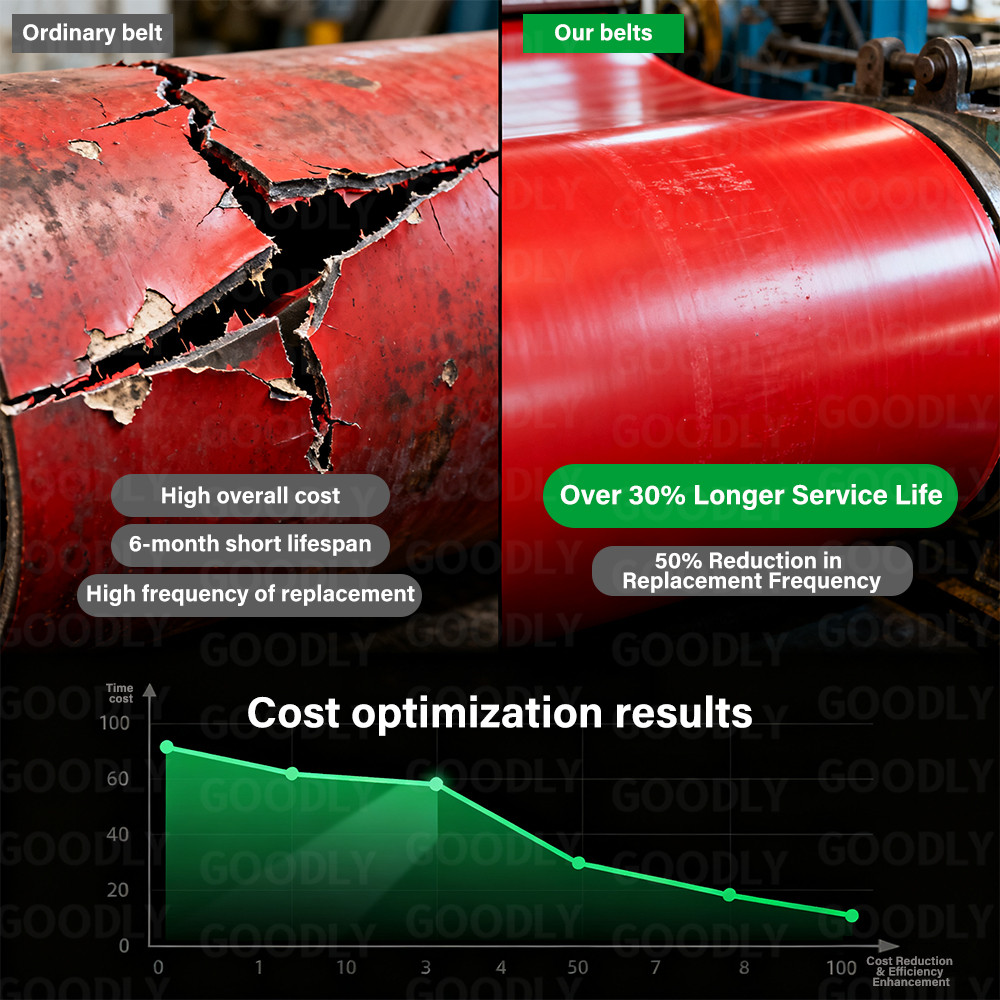
All these components are bonded together during the vulcanization process, creating a single, robust belt designed to withstand millions of cycles under significant stress and temperature variations.
Beyond Timing: Other Applications of Vulcanized Synchronous Belts
While most famously known for their role in automotive engines, the unique properties of vulcanized synchronous belts make them indispensable across a vast array of industries. Their ability to deliver precise, slip-free power transmission is critical in:
- Industrial Automation and Robotics: Robotic arms and automated assembly lines rely on synchronous belts for precise and repeatable movements.
- Conveyor Systems: From packaging and food processing to manufacturing, synchronous belts drive conveyor systems that require accurate product placement and consistent speed.
- Printing and Textile Machinery: The precise registration needed in multi-color printing presses and the coordinated movements in weaving looms are often managed by synchronous belts.
- Power Tools and Office Equipment: High-performance power tools, printers, and plotters use smaller synchronous belts to control their intricate internal mechanisms.
In essence, any machine that requires the flawless, synchronized movement of multiple components likely relies on a synchronous belt.
Synchronizing Your Engine's Heartbeat
In an internal combustion engine, the synchronous belt has one of the most critical jobs: acting as the link between the crankshaft and the camshaft(s).
- The crankshaft is connected to the pistons and converts their up-and-down motion into rotational force.
- The camshaft has lobes that push open the engine's intake and exhaust valves.
The timing belt ensures that for every rotation of the crankshaft, the camshaft rotates at a precise, corresponding speed (typically half the speed of the crankshaft). This perfect synchronization ensures the valves open and close at the exact right moment in relation to the piston's position. For example, the intake valve must open just as the piston is moving down to draw in the air-fuel mixture, and the exhaust valve must open as the piston moves up to push out burnt gases.
This mechanical ballet is what allows the combustion process to occur efficiently. If the timing is off by even a fraction, it can lead to poor fuel economy, loss of power, and increased emissions. If the belt fails entirely, the synchronization is lost, and in many modern "interference" engines, the pistons can collide with the open valves, resulting in catastrophic engine damage. This makes the humble timing belt not just a maintenance part, but the very pacemaker of your engine's heart.## Understanding the Failure of a Vulcanized Synchronous Belt
A vulcanized synchronous belt is a marvel of engineering, but it is not invincible. As a component that is constantly in motion and under stress, it is subject to wear and eventual failure. Understanding the reasons behind this failure is the first step toward preventing it. The deterioration of a synchronous belt can be attributed to three main culprits: natural aging, environmental hostility, and human error.
Common Causes of Vulcanized Synchronous Belt Deterioration
Like any other component in a machine, a synchronous belt has a finite lifespan. Several factors can accelerate its demise, leading to premature failure and potentially disastrous consequences.
Wear and Tear: The Natural Enemy of Your Vulcanized Synchronous Belt
From the moment it's installed, a synchronous belt is in a constant battle against friction, tension, and flexion. This ongoing operational stress is the primary cause of what we consider normal wear and tear.
- Tooth Wear: The primary function of the belt's teeth is to engage with the pulleys. Over millions of cycles, the fabric on the tooth face can wear down, leading to a "fuzzy" appearance. While minor wear is normal, excessive wear can alter the tooth profile, causing it to fit loosely in the pulley grooves. This can lead to "ratcheting" or tooth jumping, where the belt slips a tooth, throwing off the system's timing. If left unaddressed, this can cause the teeth to deform and eventually shear off the belt body.
- Tensile Cord Fatigue: The internal tension cords, which give the belt its strength, are constantly being stretched and relaxed. After an extended period of service, typically several years, these cords can suffer from fatigue and break. This is often considered the "ideal" end-of-life failure mode, as it happens after a long and predictable service life. A failure from cord fatigue typically results in a jagged, 45-degree angle break across the belt.
- Material Degradation: The rubber or polyurethane compound of the belt itself will age over time, slowly losing its flexibility and becoming more brittle. This process is a natural part of the material's lifecycle.
Environmental Factors and Their Impact on Vulcanized Synchronous Belts
The environment in which the belt operates plays a massive role in its longevity. An engine bay or industrial setting can be a very hostile place.
- Extreme Temperatures: High operating temperatures, common in engine bays, are a significant enemy of rubber belts. Heat accelerates the degradation of the rubber, causing it to harden, become brittle, and develop cracks. These cracks often appear on the back of the belt, running parallel to the teeth. Conversely, extremely low temperatures at startup can also make the belt material less flexible and more prone to cracking under bending stress.
- Contamination: The integrity of a synchronous belt can be severely compromised by contamination from fluids and foreign objects.
- Oil and Coolant Leaks: Engine oil, power steering fluid, or antifreeze can be disastrous for a standard rubber belt. These chemicals break down the rubber compounds, causing the belt to become soft, swollen, or slippery. An oil-soaked belt can easily slip, and the material degradation will rapidly lead to failure.
- Debris: Small rocks, metal shavings, or other debris can get caught between the belt and the pulley. This can cause immediate physical damage, such as cutting the belt, breaking off teeth, or crimping the internal tensile cords, which creates a weak point that will lead to a premature tensile break.
| Environmental Factor | Effect on Synchronous Belt | Consequence |
|---|---|---|
| High Heat | Accelerates rubber aging, makes it brittle. | Cracking, loss of tension, reduced lifespan. |
| Low Temperature | Reduces flexibility at startup. | Increased risk of cracking under flex. |
| Oil/Fluid Contamination | Degrades rubber, causes swelling and softening. | Belt slip, accelerated wear, eventual breakage. |
| Abrasive Dust/Debris | Grinds away at belt teeth and back. | Accelerated tooth wear, potential for physical damage. |
| Foreign Objects | Can get lodged in pulleys, cutting or tearing the belt. | Immediate belt damage, crimping, potential for sudden failure. |
Installation Issues and Vulcanized Synchronous Belt Lifespan
A surprising number of belt failures can be traced back to the moment of installation. A synchronous belt drive is a precision system, and even minor mistakes during installation can have major consequences.
- Improper Tension: This is one of the most critical aspects of installation.
- Too Little Tension: An under-tensioned belt can "ratchet" or jump teeth, leading to incorrect timing and potential tooth shear. It can also cause the belt to flap or vibrate, leading to crimping damage on the internal cords.
- Too Much Tension: An over-tensioned belt puts excessive stress on the belt's tensile cords, as well as on the bearings of the pulleys, water pump, and tensioner. This can lead to premature failure of both the belt and these related components. It can also cause visible wear marks on the "land areas" between the teeth.
- Misalignment: If the pulleys are not perfectly aligned, the belt will try to track to one side. This causes the edge of the belt to rub constantly against a pulley flange, leading to significant edge wear and fraying. Severe misalignment places uneven stress across the belt, which can cause cracks to form at the tooth root and lead to tooth shear.
- Mishandling: Bending a belt too sharply, prying it onto a pulley with a screwdriver, or storing it improperly can damage the internal fiberglass or Kevlar cords. This damage, known as crimping, creates a weak point where the belt is highly likely to break in a straight line once put under tension. Using incorrect tools is a frequent cause of this type of hidden damage.
The Catastrophic Consequences of a Failed Vulcanized Synchronous Belt
While a failing belt might cause some initial performance issues, a complete and sudden failure is often far more dramatic and destructive, especially in an automotive context.
Engine Damage: Piston-to-Valve Collisions
The most feared outcome of a timing belt snapping is what happens inside an interference engine. The term "interference" means that the path of the pistons and the path of the fully open valves intersect, just not at the same time. The timing belt is the component that prevents them from occupying the same space simultaneously.
When the belt breaks, the camshaft stops turning instantly, leaving some valves stuck in the open position. The crankshaft, however, continues to spin due to the engine's inertia, pushing the pistons up into the combustion chamber. In an interference engine, this results in the top of the piston forcefully colliding with the open valves. The consequences are immediate and severe:
- Bent or Broken Valves: The valves are the weaker component in this collision and will bend or even have their heads snapped off.
- Piston Damage: The impact can punch holes in the top of the pistons or leave significant dents.
- Cylinder Head and Block Damage: In the worst-case scenario, a broken-off valve head can fall into the cylinder, where it gets smashed around by the piston, destroying the piston, cylinder walls, and cylinder head.
The result is a complete engine shutdown, and the repair costs often run into thousands of dollars, sometimes requiring a full engine replacement. This single point of failure highlights just how crucial the timing belt is to the engine's survival.
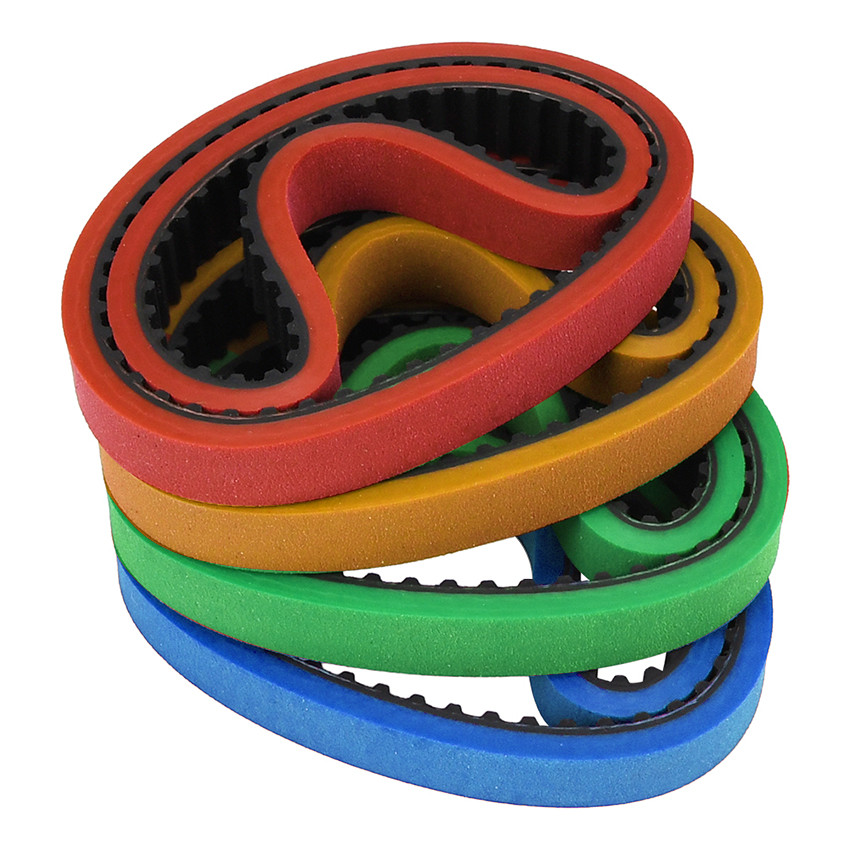
Beyond the Engine: Risks in Industrial Vulcanized Synchronous Belt Applications
In an industrial setting, the consequences of a synchronous belt failure might not involve pistons and valves, but they can be equally devastating to a business's operation.
- Production Halt: A belt failure on a critical piece of machinery, like a main conveyor or a production robot, can bring an entire assembly line to a stop. This unscheduled downtime translates directly into lost production, missed deadlines, and significant financial losses.
- Equipment Damage: Just as in an engine, the sudden loss of synchronization can cause damage to other parts of the machine. A jammed conveyor system or a robotic arm stopping mid-motion can lead to costly repairs beyond just replacing the belt itself.
- Safety Hazards: In certain applications, a broken belt can create a direct safety risk. A sudden stop can cause materials to be ejected from a machine, or it could lead to the uncontrolled movement of heavy components, posing a danger to nearby personnel.
Whether in a car or a factory, the silent and steady work of the vulcanized synchronous belt is something that cannot be taken for granted. Its failure is not a minor inconvenience; it's a critical event with far-reaching consequences.## Recognizing the Warning Signs: When Your Vulcanized Synchronous Belt Needs Attention
Fortunately, a synchronous belt often provides warning signs before a complete and catastrophic failure. Paying close attention to your vehicle or machinery can help you catch these signals early, allowing for proactive replacement and avoiding costly damage. These warnings can be categorized into two groups: things you can see, and things you can hear or feel.
Visual Cues: What to Look for on Your Vulcanized Synchronous Belt
In many vehicles, the timing belt is hidden behind a protective cover, making a quick visual inspection difficult. However, if you or your mechanic have the cover removed during other maintenance, a thorough visual check is one of the most effective ways to assess the belt's health.
Cracks, Fraying, and Glazing on the Vulcanized Synchronous Belt Surface
The physical appearance of the belt is a direct indicator of its condition and the environment it's operating in.
- Cracks: This is a classic sign of an aging belt. As the rubber material loses its flexibility due to heat and age, it can develop small cracks, especially on the backside of the belt. These cracks will often run parallel to the teeth. If you bend the belt backward, these cracks become more apparent. Any visible cracking is a clear sign that the belt's material integrity is compromised and it should be replaced immediately.
- Fraying: If the edges of the belt appear frayed or worn, it is a strong indication of a pulley misalignment problem. The belt is rubbing against the flange of a pulley, which is slowly shaving material off the edge. This not only damages the belt but also indicates a deeper issue with the drive system that needs to be corrected.
- Glazing: A belt that appears shiny or 'glazed' on the surface is often a sign of excessive heat and friction. This can be caused by a seized pulley or an over-tensioned belt. A glazed surface is hardened and less flexible, increasing the risk of cracking and reducing its ability to grip properly.
Missing or Worn Teeth on the Vulcanized Synchronous Belt
The teeth are where the power transfer happens, and their condition is critical for maintaining correct timing.
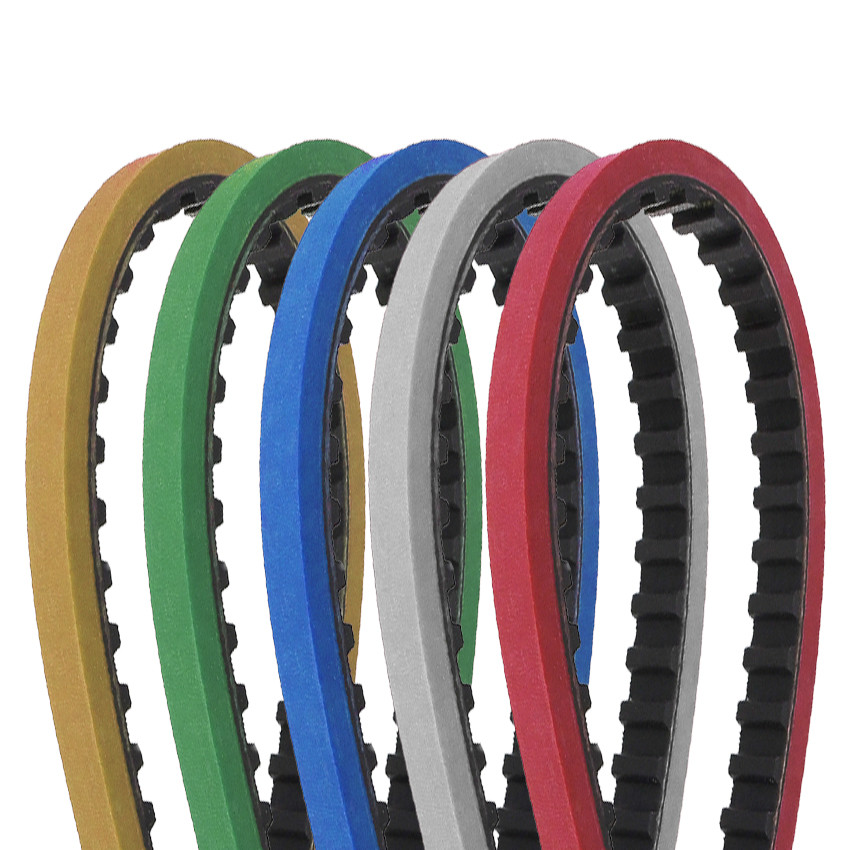
- Worn Teeth (Tooth Profile Wear): Over time, the teeth can wear down, becoming thinner or more rounded. This can cause them to fit loosely in the pulley grooves, increasing the chance of the belt slipping, especially under high load or rapid acceleration. This slippage, known as ratcheting or tooth jumping, will throw the engine timing off, leading to performance issues.
- Missing Teeth (Tooth Shear): This is a severe form of wear. If you see chunks of rubber missing or entire teeth sheared off from the belt, failure is imminent. A belt with missing teeth cannot maintain proper synchronization and can cause the engine to run very poorly or not at all. This is often caused by extreme shock loads, insufficient tension, or debris in the drive.
Auditory and Performance Indicators of a Failing Vulcanized Synchronous Belt
Often, the first sign of a problem won't be something you see, but something you hear or feel while operating the vehicle. Never ignore new or unusual sounds and changes in performance.
Unusual Noises: Ticking, Clicking, and Squealing from Your Vulcanized Synchronous Belt
Your engine should have a smooth, consistent hum. Any new sounds emanating from the front of the engine, where the belt system is located, warrant immediate investigation.
- Ticking or Clicking Noise: A repetitive ticking or clicking sound that increases in frequency with engine RPM is a common symptom of a failing belt. This noise can be caused by the belt being loose and slapping against the inside of the timing cover, or it could be related to a worn-out component in the system, like a bad tensioner or pulley bearing.
- Squealing or Chirping: While often associated with the serpentine belt, a high-pitched squeal or chirp, especially on startup or during acceleration, can also indicate a problem with the synchronous belt system. This could be due to a loose or slipping belt, or a failing bearing in the tensioner or an idler pulley.
- Rattling or Knocking: A general rattling or even a knocking sound can be a sign of a loose timing belt or a failing tensioner that is no longer maintaining proper pressure. This sound is the belt vibrating or flapping around inside the timing cover.
Engine Performance Issues Linked to the Vulcanized Synchronous Belt
Because the timing belt is central to engine timing, its wear directly translates into noticeable performance problems.
- Engine Misfires or Rough Idling: A worn or stretched timing belt can slip, causing the engine's timing to be off by a few degrees. This disrupts the precise sequence of combustion, leading to cylinders firing at the wrong time. The result is often an engine that misfires, idles roughly, or vibrates excessively.
- Difficulty Starting: If the timing has slipped significantly, the engine may struggle to start or fail to start at all. The starter motor might turn over, but because the valve timing is incorrect, the engine can't achieve proper compression and combustion to fire up.
- Loss of Power and Sluggish Acceleration: An engine with incorrect timing is an inefficient engine. You may notice that the car feels sluggish, hesitates on acceleration, or generally lacks the power it once had, especially at higher RPMs (e.g., 2,000-4,000 RPM).
- Increased Exhaust Smoke: When valve timing is off, the combustion process becomes incomplete. This can lead to an increase in exhaust smoke as unburnt fuel is pushed out of the engine.
- Check Engine Light: The vehicle's computer (ECU) monitors the relationship between the camshaft and crankshaft. If it detects that they are out of sync due to a slipped belt, it will trigger the Check Engine Light. Diagnostic codes related to camshaft or crankshaft position sensors (like P0016-P0019) often point to a timing belt issue.
If you experience any combination of these symptoms, it is imperative to stop driving and have your vehicle inspected by a qualified mechanic immediately. Continuing to operate a vehicle with a failing timing belt is risking a catastrophic failure that could destroy your engine.## Proactive Replacement: Extending the Life and Maximizing Efficiency of Your Vulcanized Synchronous Belt System
Given the potentially catastrophic and always inconvenient consequences of a synchronous belt failure, the single most important strategy is proactive replacement. This isn't about spending money unnecessarily; it's a calculated investment in reliability, performance, and peace of mind. Waiting for warning signs means you're already in a high-risk situation. Adhering to a preventative maintenance schedule is the key to avoiding failure altogether.
Adhering to Manufacturer Recommendations for Vulcanized Synchronous Belt Replacement
Every vehicle and piece of industrial equipment that uses a synchronous belt comes with a recommended replacement interval from the manufacturer. This interval is determined through extensive testing and is designed to ensure the belt is replaced before it reaches the end of its reliable service life.
Typical Replacement Intervals for Your Vulcanized Synchronous Belt
Replacement intervals are specified in terms of mileage or time, whichever comes first. This is because the rubber materials in the belt degrade over time, even if the machine isn't being used.
- Mileage/Hours of Operation: For automobiles, this is the most common metric. Recommended intervals typically range from 60,000 to 100,000 miles (approximately 97,000 to 161,000 kilometers). Some newer vehicles may have even longer intervals. For industrial machinery, this would be measured in operating hours. The manufacturer's service manual is the definitive source for this information.
- Time: The time-based recommendation is equally important. A common guideline is to replace the belt every 5 to 7 years, regardless of mileage. A car that is 10 years old but has only 30,000 miles still needs a new timing belt because the rubber components have aged and become more brittle.
It is critical to treat these recommendations as a final deadline, not a loose suggestion. Factors like extreme operating temperatures, frequent short trips, or high-load industrial use can shorten the belt's effective lifespan, making it wise to consider replacement on the earlier side of the recommended window.
Considering Related Component Replacement with Your Vulcanized Synchronous Belt
Replacing a synchronous belt is often a labor-intensive job, as numerous other parts must be removed to gain access. Because of this, it is both strategically and economically wise to replace other related "while you're in there" components at the same time. These parts are subjected to the same operational stresses and have similar service lives to the belt itself.
The most common components to replace alongside the belt are:
- Timing Belt Tensioner and Idler Pulleys: The tensioner maintains the correct pressure on the belt, and the idler pulleys guide it along its path. The bearings inside these pulleys can wear out, leading to noise, seizure, or a loss of tension, which would quickly destroy a new belt. A failing tensioner is a very common cause of premature belt failure.
- Water Pump: In many engine designs, the timing belt also drives the water pump. Since the labor to access the water pump is nearly identical to that of the timing belt job, replacing it simultaneously is highly recommended. A water pump failure after a recent timing belt replacement would mean paying for the same expensive labor all over again.
- Camshaft and Crankshaft Seals: These seals prevent oil from leaking out of the engine block around the rotating shafts. Over time, they can become hard and brittle. A leaking seal will contaminate the new belt with oil, leading to rapid degradation and failure. Replacing these inexpensive seals during the timing belt service is excellent preventative maintenance.
Most reputable parts suppliers offer "timing belt kits" that include the belt, tensioner(s), and idler pulleys. Many kits also include a new water pump and seals, providing everything needed for a comprehensive and reliable service.
The Value of Quality: Choosing the Right Vulcanized Synchronous Belt
When it comes time for replacement, not all parts are created equal. The quality of the new belt and the skill with which it is installed are just as important as the act of replacement itself.
Benefits of High-Quality Vulcanized Synchronous Belts
While it might be tempting to save money with a cheaper, unbranded part, this is a dangerous gamble with a component as critical as a timing belt.
- OEM vs. Aftermarket: Original Equipment Manufacturer (OEM) belts are made by the same company that supplied the part to the carmaker initially. They are guaranteed to meet the exact material and dimensional specifications required for optimal performance and longevity. High-quality aftermarket brands (like Gates, Continental, or Aisin) also produce excellent belts that meet or exceed OEM standards. The danger lies in low-quality, generic aftermarket belts, which may use inferior materials, have improperly aligned reinforcing cords, or have an incorrect tooth profile. These defects can lead to premature failure.
- Material and Construction: A superior belt uses advanced materials like Highly Saturated Nitrile (HSN), which offers better resistance to heat and oil compared to standard neoprene rubber. The quality of the internal tensile cords and the precision of the molding process ensure the belt maintains its integrity under stress. A quality belt provides reliability and a long service life, protecting your far more expensive engine.
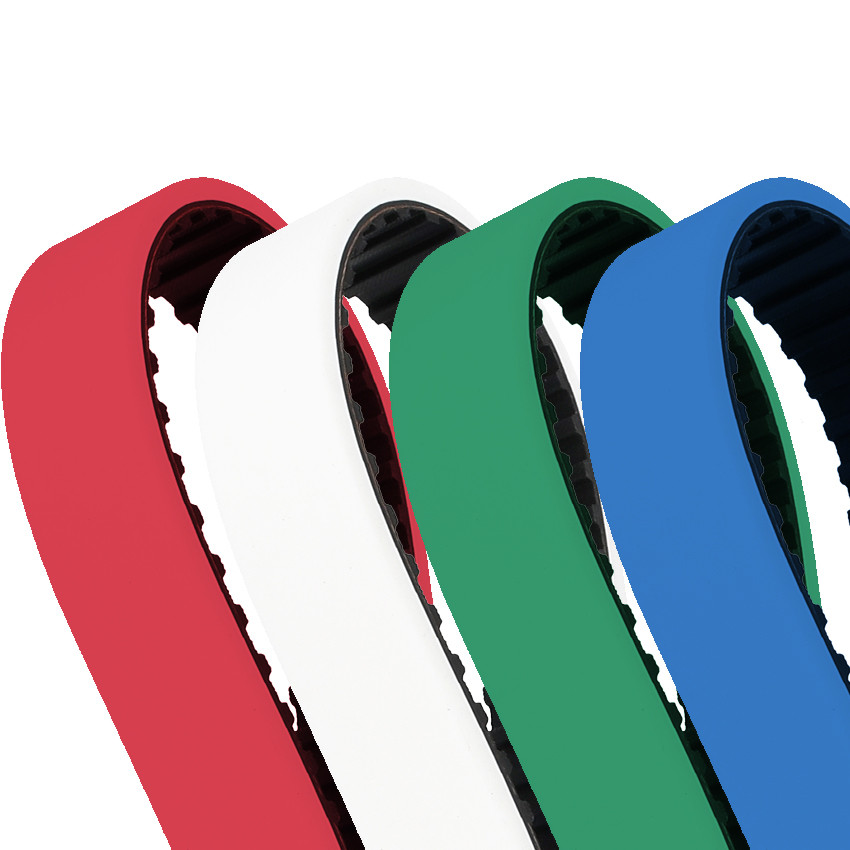
Ensuring Proper Installation of Your Vulcanized Synchronous Belt
A top-of-the-line belt is useless if it's not installed correctly. This is not typically a task for the novice DIY mechanic due to its complexity and the precision required.
- The Right Tools and Procedures: Professional installation by a certified technician is highly recommended. Mechanics have the specialized tools needed to correctly lock the camshafts and crankshaft in place, set the tension accurately using a tensiometer, and properly align all components.
- The Cost of Inexperience: Mistakes during installation, such as being off by a single tooth on a pulley, can lead to poor engine performance or, in an interference engine, immediate piston-to-valve contact upon startup. Improper tensioning can lead to noise and premature failure of the belt or its associated bearings.
- Peace of Mind: While the labor cost for a timing belt replacement can seem high (often ranging from $500 to over $1,000), it pales in comparison to the cost of repairing a damaged engine, which can easily exceed $2,000 or much more. Paying for professional installation is paying for the job to be done right, ensuring the reliability of your engine for tens of thousands of miles to come. Most reputable repair shops also provide a warranty on their work, adding another layer of protection.
Ultimately, a proactive approach that combines following manufacturer schedules, replacing related components, choosing high-quality parts, and relying on professional installation is the most effective strategy for managing your synchronous belt system. It transforms a potential catastrophic failure into a predictable and manageable maintenance event.## Maintenance Tips to Enhance Your Vulcanized Synchronous Belt's Longevity
While proactive replacement based on manufacturer schedules is the ultimate defense against failure, there are several ongoing maintenance practices you can adopt to help your synchronous belt system achieve its maximum potential lifespan and to catch problems early. These tips revolve around regular checks, ensuring proper system geometry, and protecting the belt from its environmental enemies.
Regular Inspections and Their Importance for Your Vulcanized Synchronous Belt
You don't have to be a master mechanic to keep an eye on your belt's health. Regular visual and auditory inspections can provide crucial early warnings.
- Scheduled Visual Checks: While the timing belt itself is often hidden, many vehicles have inspection ports, or the cover can be removed during other routine services like an oil change. It's recommended to perform a visual inspection of the belt roughly every 10,000 miles. Look for the tell-tale signs of wear: cracks on the back of the belt, fraying at the edges, a glazed or shiny surface, and any visible damage or missing teeth. If any of these are present, it's time to schedule a replacement, regardless of the mileage interval.
- Listen to Your Machine: Pay attention to any new noises coming from the engine bay or machinery. Squeals, chirps, ticking, or rattling sounds are not normal and often indicate a problem with the belt drive system, such as a loose belt or a failing pulley bearing. Investigating these sounds promptly can prevent a small issue from becoming a major failure.
- Check Associated Components: During an inspection, also look at the condition of the pulleys. Are they clean and free of debris? Do you see any wobbling while the engine is running, which might indicate a bad bearing? A healthy system depends on all its parts working correctly.
Maintaining Optimal Tension and Alignment for Your Vulcanized Synchronous Belt
Proper tension and alignment are arguably the most critical factors for a long and trouble-free belt life. While major adjustments are best left to professionals, being aware of their importance is key.
- The Critical Role of Tension: Correct belt tension is a delicate balance. Too loose, and the belt can slip teeth (ratchet), causing timing issues and excessive tooth wear. Too tight, and you put immense strain on the belt's internal cords and the bearings in the pulleys and water pump, leading to premature failure of multiple components. Modern systems often use automatic tensioners, but these can also fail. A professional mechanic will use a tension gauge to ensure the belt is tensioned precisely to the manufacturer's specification.
- The Necessity of Perfect Alignment: All pulleys in the drive system must be perfectly aligned on both horizontal and vertical planes. Misalignment forces the belt to track to one side, causing constant friction against the pulley flange. This will quickly lead to frayed edges and can put an uneven load across the belt, leading to a tensile break. Alignment should be checked and corrected by a professional whenever a belt is replaced.
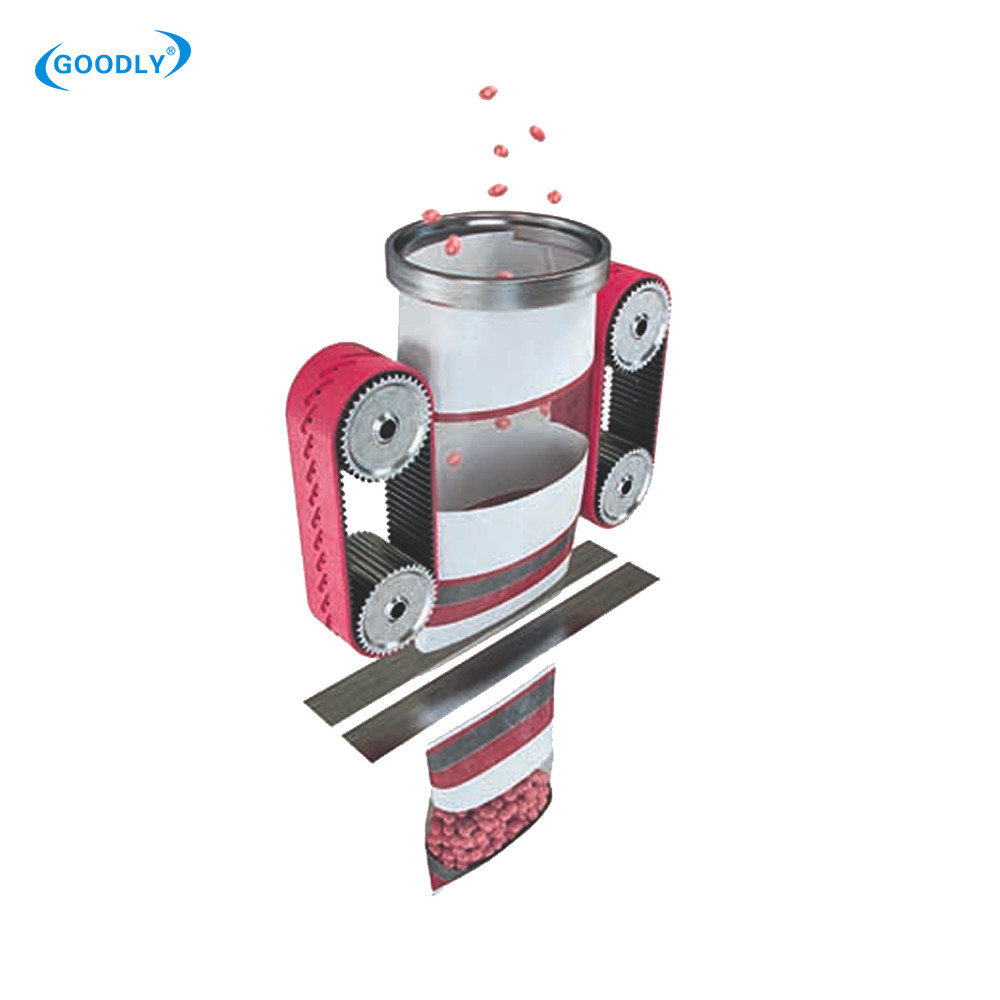
Protecting Your Vulcanized Synchronous Belt from Environmental Damage
The engine bay can be a harsh environment. Taking steps to keep it clean and to address leaks promptly can significantly extend the life of your belt.
- Address Fluid Leaks Immediately: One of the fastest ways to destroy a timing belt is to contaminate it with oil, coolant, or power steering fluid. These chemicals break down the rubber compounds a standard belt is made of. If you notice any fluid leaks at the front of your engine, have them diagnosed and repaired immediately. Replacing a leaking camshaft or crankshaft seal is far cheaper than replacing a belt that has failed prematurely due to oil contamination.
- Keep the Engine Bay Clean: Dirt, grime, and debris can act as an abrasive, slowly wearing away at the belt and pulleys. Regularly and safely cleaning your engine bay can help prevent this. Use a mild degreaser and a low-pressure water source, being careful to protect sensitive electrical components like the alternator and fuse box. A clean engine bay not only protects your belt but also makes it easier to spot new fluid leaks early.
- Install All Covers and Shields: The plastic or metal covers around the timing belt are there for a reason. They are designed to protect the belt from debris, fluids, and other foreign objects. Never run an engine without these covers properly installed. Ensure they are in good condition and all bolts or clips are securely fastened.
By integrating these maintenance practices into your routine, you shift from a reactive to a proactive mindset. You give yourself the best possible chance of catching issues before they escalate, ensuring your vulcanized synchronous belt and the machinery it operates continue to run reliably for years to come.
Frequently Asked Questions (FAQ)
1. What is the difference between a timing belt and a serpentine belt?
A timing belt (or synchronous belt) is a toothed belt located inside the engine, typically under a protective cover. Its primary job is to synchronize the rotation of the crankshaft and camshaft, which is critical for engine timing. A serpentine belt is a smooth or ribbed belt located on the outside of the engine that powers accessory components like the alternator, power steering pump, water pump (in some designs), and air conditioning compressor. They serve completely different functions.
2. Is a timing belt the same as a timing chain?
They serve the exact same purpose—synchronizing the crank and camshafts—but are made of different materials. A timing belt is made of a reinforced rubber composite, is quieter, and requires periodic replacement. A timing chain is a metal chain, similar to a bicycle chain, that is lubricated by engine oil and is designed to last much longer, often for the life of the engine. However, timing chains can still stretch or their tensioners can fail, which also requires costly repairs.
3. My car has an "interference engine." What does that mean?
An interference engine is a design where the path of the pistons and the valves intersect within the cylinder, but at different times. The timing belt is what prevents them from colliding. If the timing belt breaks on an interference engine, the pistons will hit the open valves, causing severe and expensive damage (bent valves, damaged pistons, etc.). In a "non-interference" engine, there is enough clearance that a belt failure will not cause this type of catastrophic damage, though the engine will still stop running. Most modern engines are of the interference design to maximize efficiency and compression.
4. How much does it cost to replace a vulcanized synchronous belt?
The cost can vary significantly depending on the make and model of the vehicle and local labor rates. The job is labor-intensive as it requires removing many other engine components. Typically, the cost can range from $500 to over $1,500. A large portion of this cost is labor. This is why it is highly recommended to replace other components like the water pump, tensioner, and pulleys at the same time, as the parts are relatively inexpensive compared to paying for the same labor a second time if one of those components fails later.
5. Can I replace my own timing belt?
While it is technically possible for an experienced DIY mechanic, it is generally not recommended for novices. The procedure is complex and requires a high degree of precision. Setting the timing incorrectly by even one tooth can cause poor performance or engine damage. Specialized tools are often needed to lock the engine in place and to set the belt tension correctly. Given the catastrophic risk of failure from an incorrect installation, this job is best left to certified professional technicians.
6. What happens if I ignore the recommended replacement interval?
Ignoring the replacement interval is a significant gamble. The belt may continue to function past its recommended life, but the risk of it snapping without warning increases dramatically. Since timing belts rarely show external signs of imminent failure just before they break, you could be driving a ticking time bomb. A sudden failure can leave you stranded and, with an interference engine, facing a repair bill that could be thousands of dollars—far more than the cost of a proactive replacement.
Conclusion
Replacing your vulcanized synchronous belt on time is far more than just another line item on a maintenance schedule; it is a strategic investment in the health, longevity, and reliability of your engine or machinery. By preventing catastrophic failures, a timely replacement safeguards you from exorbitant repair costs and the immense inconvenience of unexpected downtime. It is the very definition of preventative maintenance, ensuring your peace of mind on the road or on the factory floor.
My key message to you is simple: don't wait for your vulcanized synchronous belt to demand your attention through failure. By understanding its critical role in synchronizing the heart of your machine, learning to recognize the subtle warning signs of wear, and—most importantly—strictly adhering to manufacturer-recommended replacement schedules, you can confidently avoid significant headaches and keep your operations running smoothly and efficiently.
Ultimately, a system with a well-maintained vulcanized synchronous belt translates directly into a more reliable and efficient machine. Prioritize its care by investing in quality parts and professional service. In doing so, you will undoubtedly reap the long-term benefits of uninterrupted performance, enhanced safety, and substantially reduced ownership costs. We encourage you to share this article with others to spread awareness about this crucial component and feel free to leave any questions or comments below