What are the core advantages of PU timing belts compared with rubber timing belts?
- Share
- Issue Time
- Dec 29,2025
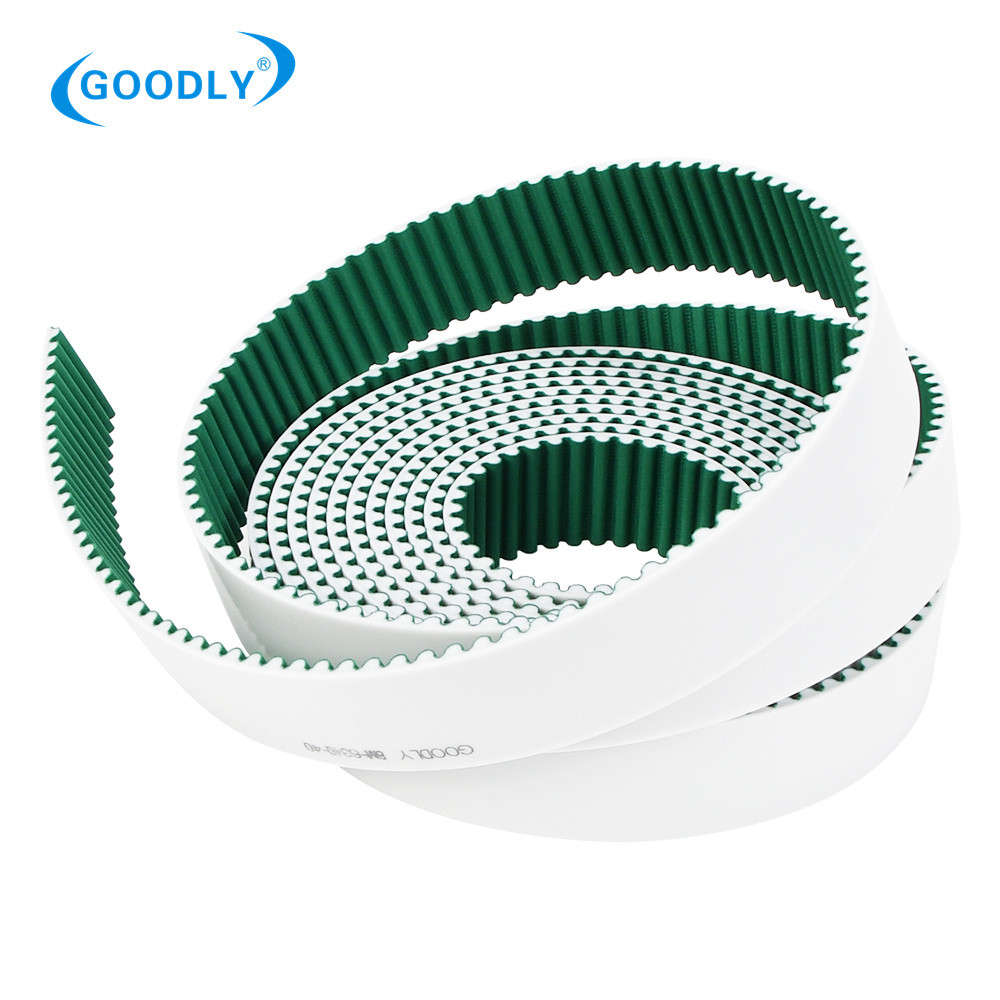
PU timing belts outperform traditional rubber timing belts in several key aspects, making them ideal for high-precision, light-to-medium load industrial applications:
Superior wear resistance and long service life
PU (polyurethane) material has inherent high wear resistance, 2–3 times that of ordinary rubber. It is not easy to deform or age when used continuously, and its service life can be extended by 50%–100% under the same operating conditions. Rubber belts are prone to hardening, cracking or surface wear after long-term use, especially in dry environments.
High transmission precision and low noise
PU timing belts have a smooth surface and precise tooth profile, which can realize zero-slip synchronous transmission with timing pulleys, ensuring accurate speed ratio and position control. This is critical for precision equipment such as CNC machine tools, 3D printers and automated assembly lines. Rubber belts have slightly lower tooth profile precision, and are prone to elastic deformation under load, which affects transmission accuracy; meanwhile, PU materials have better damping performance, and the operating noise is 10–15 dB lower than that of rubber belts.
Strong environmental adaptability
PU timing belts are resistant to oil, grease and most chemical solvents, and can work stably in harsh environments such as machine tool lubrication systems and chemical workshops. Rubber belts are easily swollen and degraded by oil pollution, which leads to reduced performance and shortened service life. In addition, PU timing belts have a wider temperature adaptation range (-30°C to 80°C) than ordinary rubber belts, and are less affected by low or high temperature environments.
Light weight and easy maintenance
PU timing belts are lighter in weight, which can reduce the load of transmission components (pulleys, shafts and bearings) and lower energy consumption during operation. They do not require regular lubrication, while rubber belts often need to be lubricated to reduce friction and wear, which increases maintenance costs and frequency.