What temperature range can PU timing belts handle?
- Share
- Issue Time
- Oct 20,2026
Short answer: standard PU (thermoplastic polyurethane) timing belts typically serve ambient temperatures of roughly -20 °C to +80 °C. Outside this window the polyurethane body gradually loses flexibility and tensile strength. Special TPU grades and matching cord combinations can extend the range somewhat — tell us the real operating conditions and we will confirm feasibility before you order.
Why temperature matters for PU belts
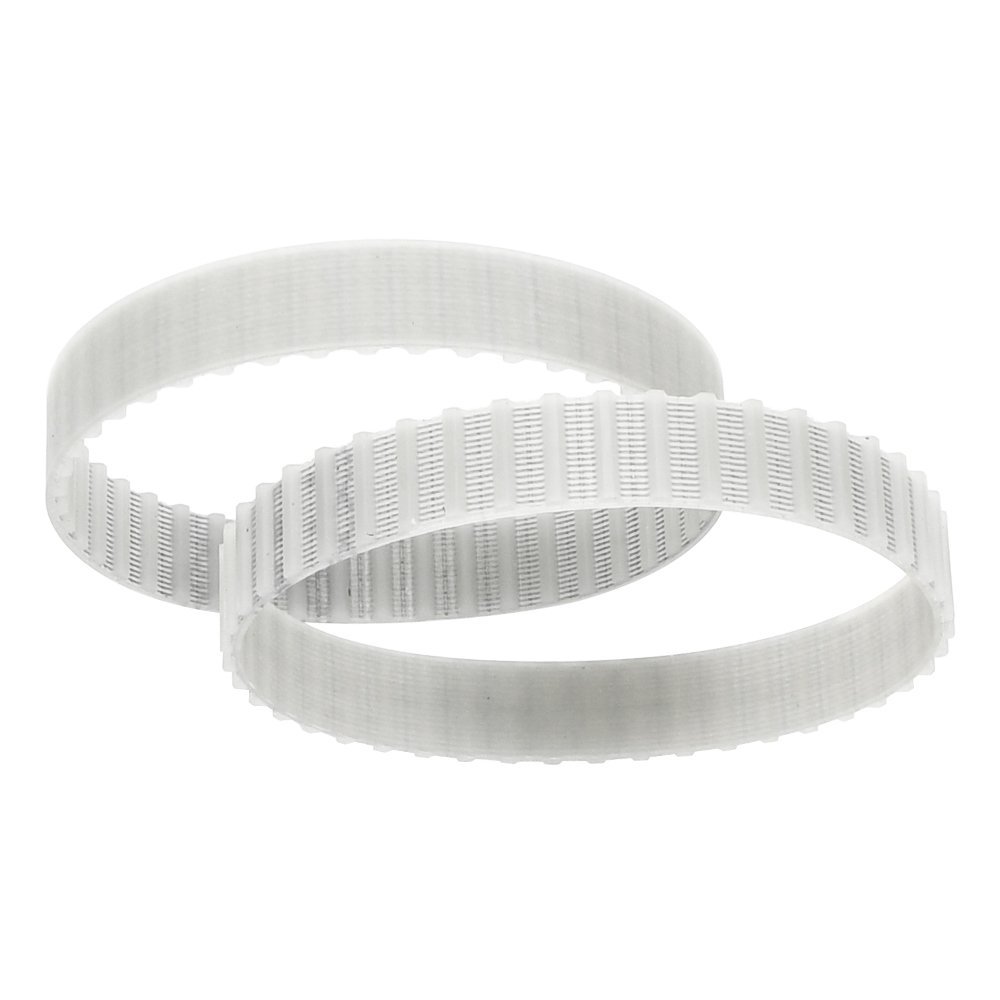
Polyurethane is a thermoplastic material. As temperature rises it softens, which reduces tooth shear strength and dimensional stability; as temperature falls it hardens, which raises bending stress over small pulleys and increases the risk of tooth cracking. Continuous operation near either limit shortens belt life even if the belt does not fail immediately.
Practical temperature guidance
| Condition | What to expect | What to do |
|---|---|---|
| About -20 °C to +80 °C | Normal service for standard PU construction | Use standard steel or aramid cord options |
| Slightly above or below the range, short excursions | Often acceptable if brief and infrequent | State the duration and cycle frequency when inquiring |
| Continuous high heat (ovens, engines) | PU softens; life drops sharply | Consider rubber compounds (HNBR) or heat-resistant constructions |
| Deep-freeze or outdoor winter duty | PU stiffens over small pulleys | Ask about special TPU grades and low-temperature cords |
Other factors that change the real limit
Belt speed and flex frequency
High speed over small pulleys generates internal heat from bending — the effective temperature limit drops as pulley diameters shrink.
Chemicals and oils
Hot oil, solvents or steam attack the PU body faster than dry heat alone. Compatibility must be checked together with temperature.
Cord type
The polyurethane body usually sets the limit first, but cord choice (steel, aramid, polyester) affects performance near the range edges.

Running near the temperature limit?
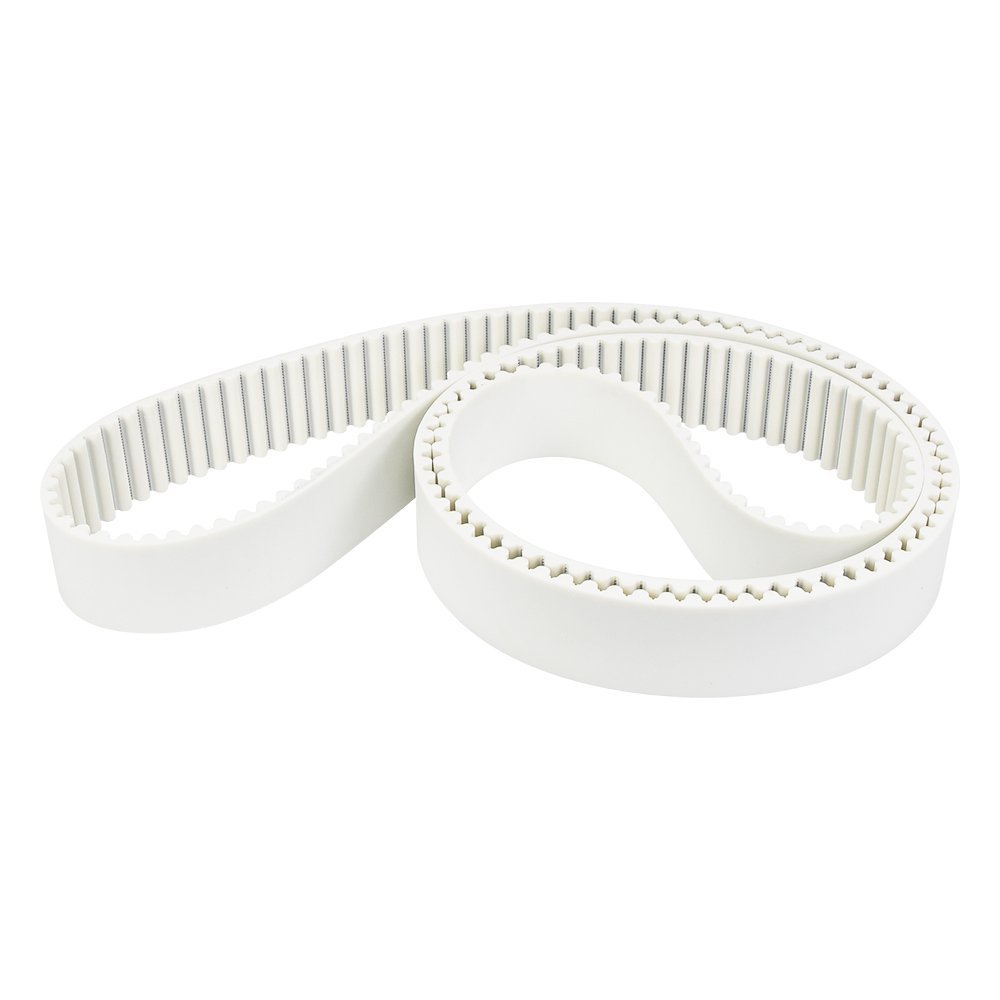
Send us your ambient temperature range, contact media and duty cycle — our engineers will confirm whether standard PU works or a special construction is needed.
Ask an Engineer