Steel cord or aramid cord for PU timing belts: which do I need?
- Share
- Issue Time
- Oct 20,2026
Short answer: choose steel cord when you need maximum rigidity, minimal elongation and precise positioning (linear drives, robotics, long spans). Choose aramid (Kevlar-type) cord when the drive sees shock loads, frequent starts, small pulleys, or humid and corrosive conditions. Both run inside the same PU body — the cord decides stretch, flexibility and durability.
Side-by-side comparison
| Property | Steel cord | Aramid (Kevlar-type) cord |
|---|---|---|
| Elongation under load | Very low — best for positioning accuracy | Low, slightly higher than steel |
| Flexibility over small pulleys | Lower; larger minimum pulley diameters | Better; tolerates smaller pulleys |
| Shock-load resistance | Moderate — sensitive to impact damage | Excellent — high impact toughness |
| Corrosion / humidity | Needs protection in wet or corrosive areas | Naturally corrosion-free and non-magnetic |
| Magnetic environments | Affected (steel) | Neutral (non-magnetic) |
| Typical duty | Precision positioning, long center distances, heavy static loads | Shock loads, frequent starts, small-diameter drives |
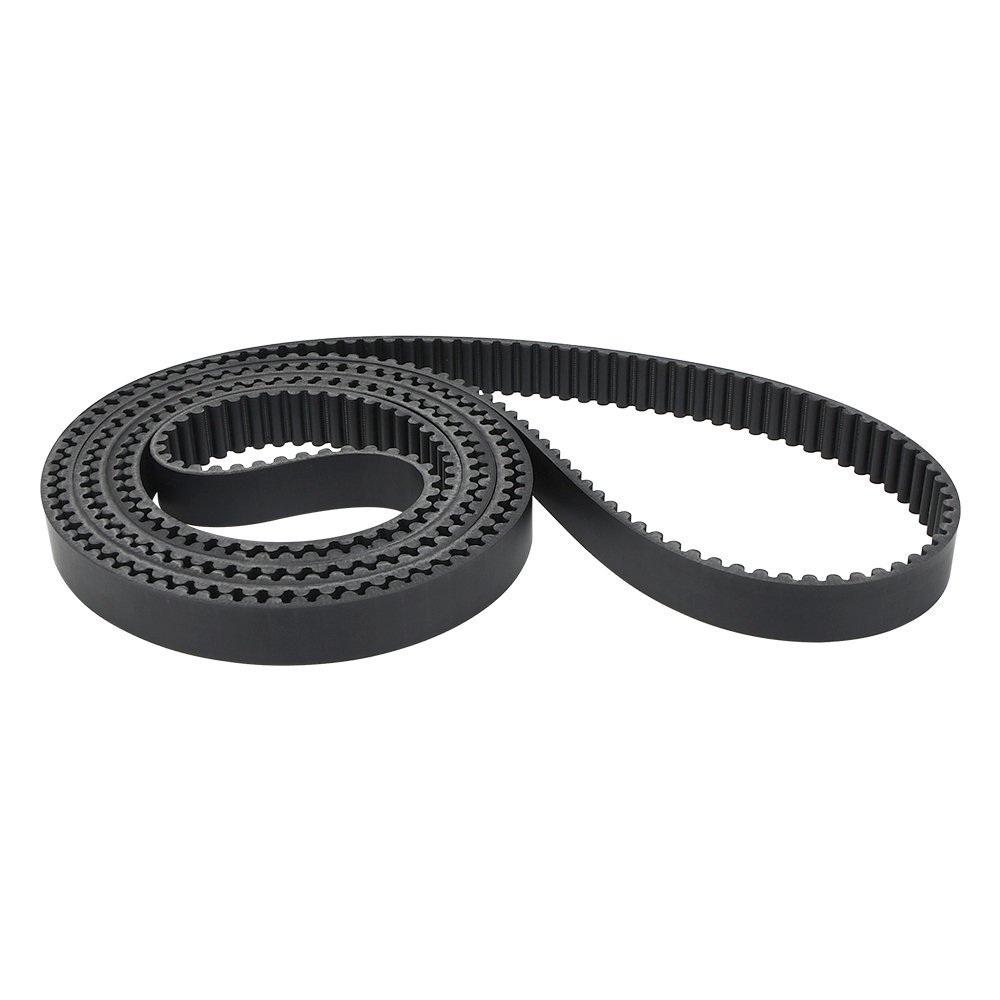
Choose steel cord when…
- The drive is a positioning or linear application where even small belt stretch causes lost accuracy.
- Center distances are long and sag must stay minimal.
- Loads are steady and predictable, without frequent hard starts.
- Pulleys are large enough for the cord's minimum bending radius.
Choose aramid cord when…
- The machine starts under load frequently or sees torque spikes (packaging machinery, wood processing, mixers).
- Drive layout forces small pulley diameters or back-bending idlers.
- Humidity, washdown or corrosive media are present around the belt.
- Equipment is non-magnetic by design (some medical, electronics and food machinery).
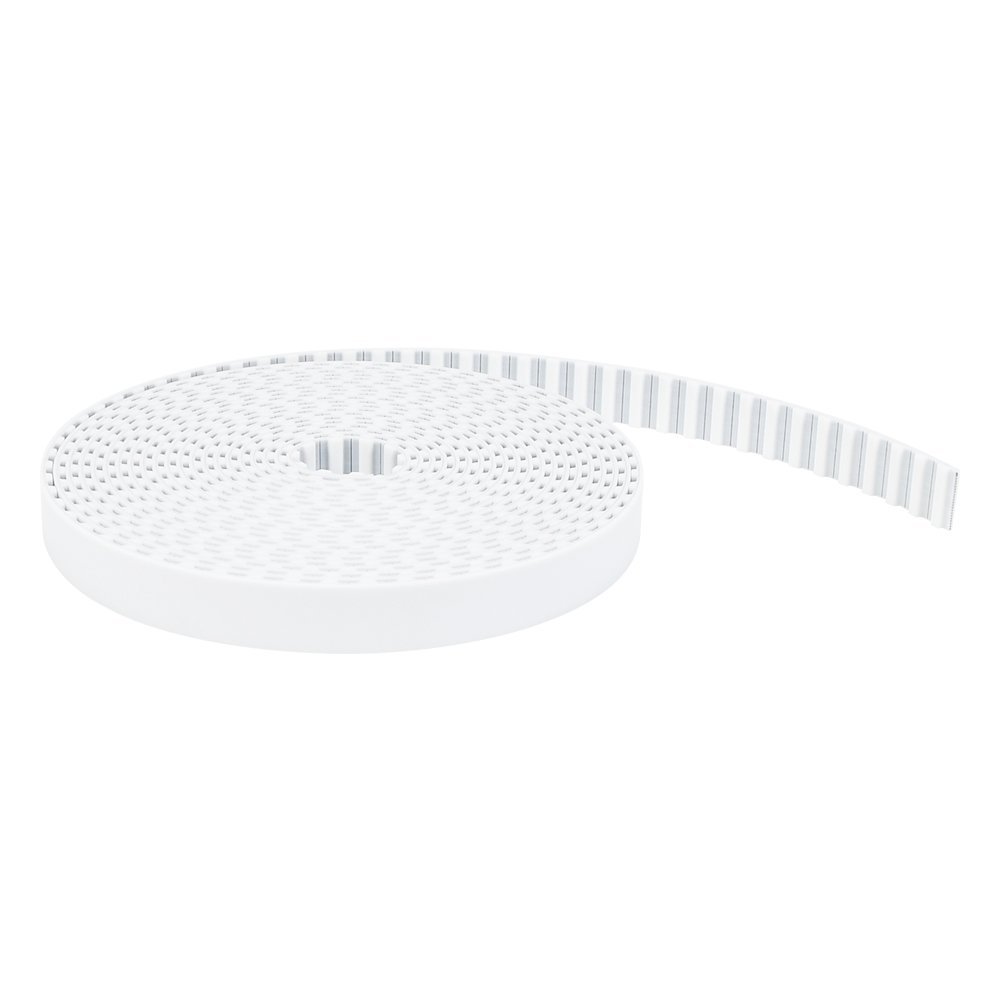
Cord failure is usually a symptom, not a cause: under-sizing the belt, misaligned pulleys or wrong tension will destroy either cord type prematurely. If a steel-cord belt failed from shock loads, simply repeating the same construction will fail the same way — send us the failure photo and drive data for a root-cause review.
Which cord fits your machine?
Describe your drive — load profile, pulley diameters, environment and accuracy needs. We will recommend steel or aramid cord and quote the matching belt.
Get a Cord Recommendation