What Shore hardness and tolerance can you hold on PU timing belts?
- Share
- Issue Time
- Oct 26,2026
Short answer: Most PU timing belts are made between 80A and 95A Shore A, and 85A to 92A covers the majority of industrial drives. Practical tolerance windows are around plus or minus 0.5 mm on width and thickness for common sizes, and roughly plus or minus 0.3 to 0.5 percent on pitch length. Tighter figures are possible, but only after the actual construction is fixed, because cord type, belt thickness and length all move the achievable window.
What the hardness number changes
80A to 85A
Softer compounds conform better to pulleys and grip slightly more. Useful on small pulleys and light conveying, but they wear faster under abrasion and cut edges.
85A to 92A
The general drive range: enough stiffness for load transmission, enough flexibility for normal pulley sizes. Most replacement and OEM drives sit here.
92A to 95A
Harder grades carry more load with less elongation, but they are less forgiving of misalignment and small pulleys, and noise can rise.
What it does not tell you
Hardness says nothing about tensile strength, elongation at break or oil grade. Ask for the compound datasheet rather than judging by hardness alone.

Typical tolerance windows on PU belts
| Feature | Common window | Notes |
|---|---|---|
| Width | About plus or minus 0.5 mm up to 50 mm | Wider belts move toward plus or minus 1.0 mm |
| Thickness | About plus or minus 0.2 to 0.5 mm | Depends on profile depth and whether a backing is added |
| Pitch length | About plus or minus 0.3 to 0.5 percent | Longer belts tend toward the wider end of the range |
| Tooth profile | Per standard T, AT, HTD, STD or imperial | A non-standard profile needs a drawing and usually a new mould |
What to put in the request
- Pitch and tooth profile, plus the pulley tooth count at both ends if the drive is tight.
- Width and thickness, and whether the thickness is functional or only nominal.
- Required hardness, and whether it is a grip requirement or a load requirement.
- Cord preference, or the load and elongation limit if you have no preference.
- Working temperature and any oil, dust or washdown exposure.
- Whether the tolerance is functional, cosmetic, or only needs to match an existing belt.
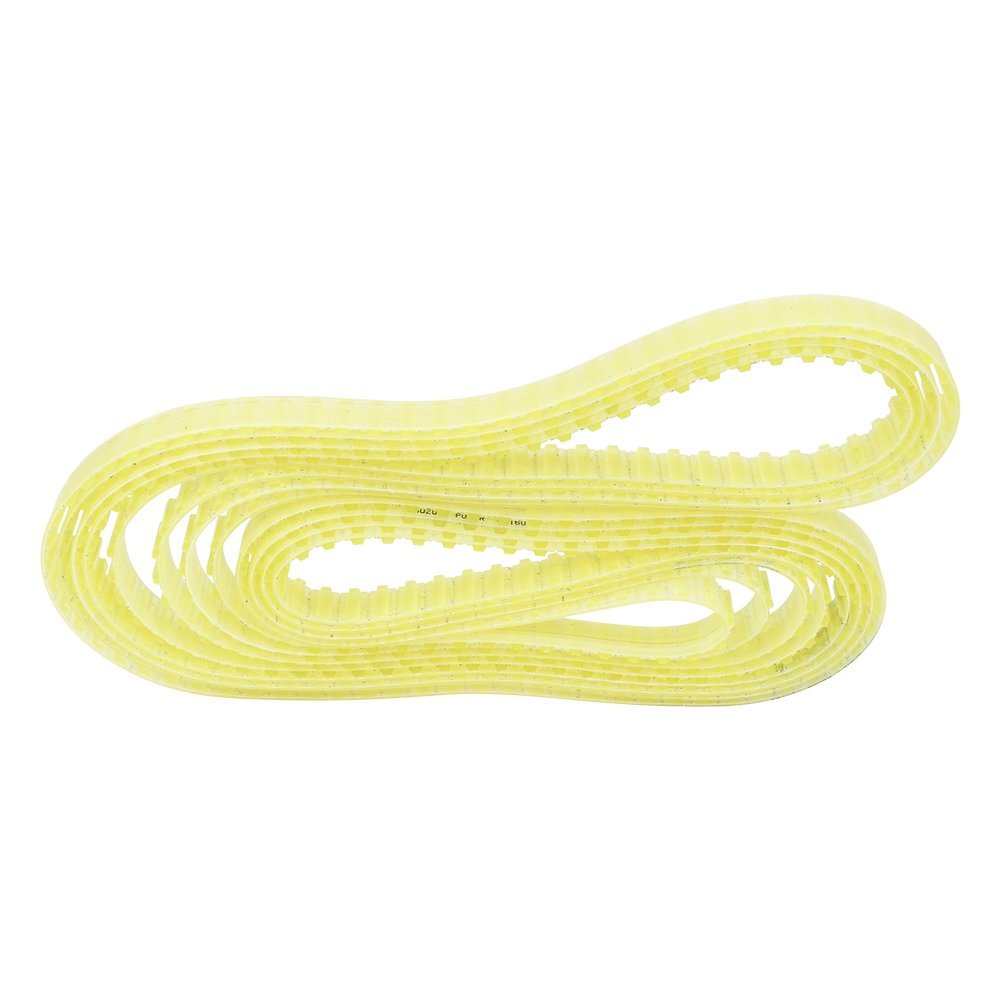
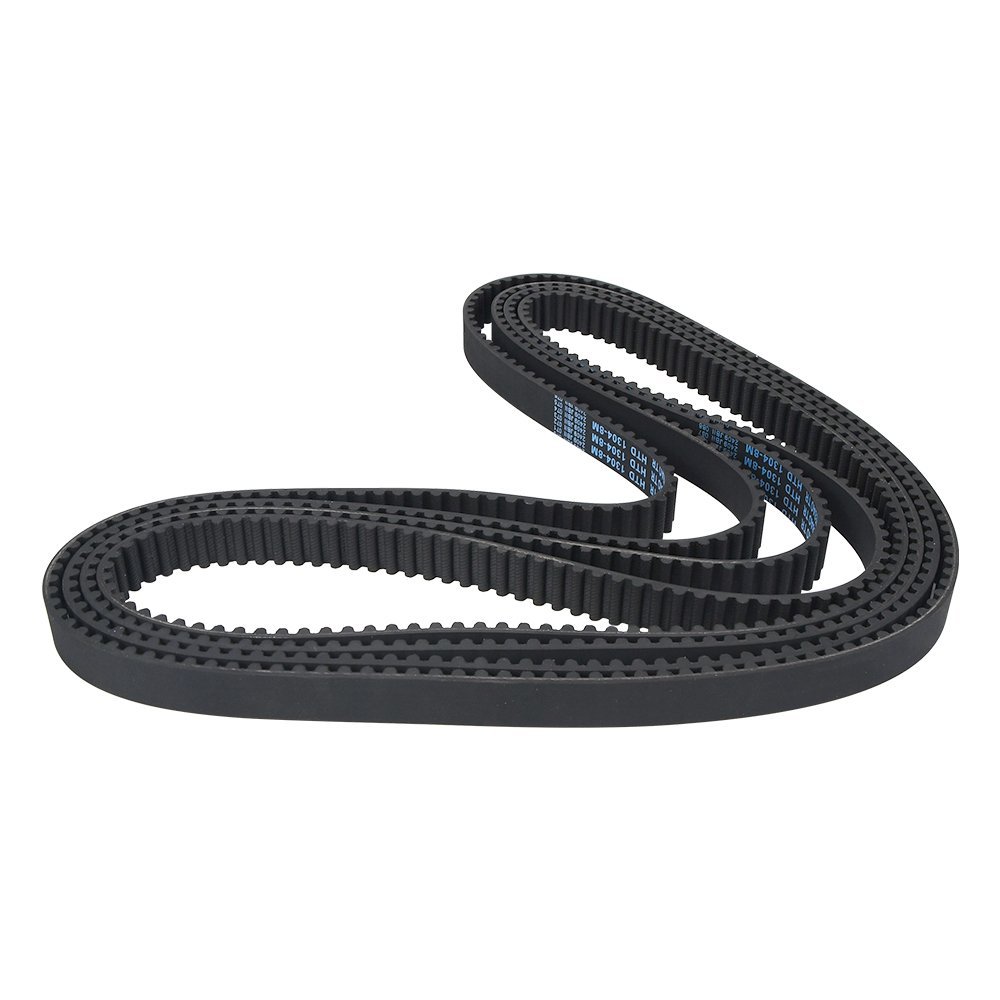
Have a drawing with a hardness and tolerance on it?
Send the drawing and the duty cycle. We will confirm which hardness range and tolerance window we can hold for that construction, and quote accordingly.
Send Drawing for Review