Which cover should I choose for a vulcanized belt: rubber, PVC or silicone?
- Share
- Issue Time
- Oct 28,2026
Direct answer: Match the cover to the product and to the temperature. Natural rubber covers give the best general grip and abrasion resistance, PVC covers suit oily, wet or sticky products that have to release, and silicone covers are used where heat or tackiness rules out rubber.
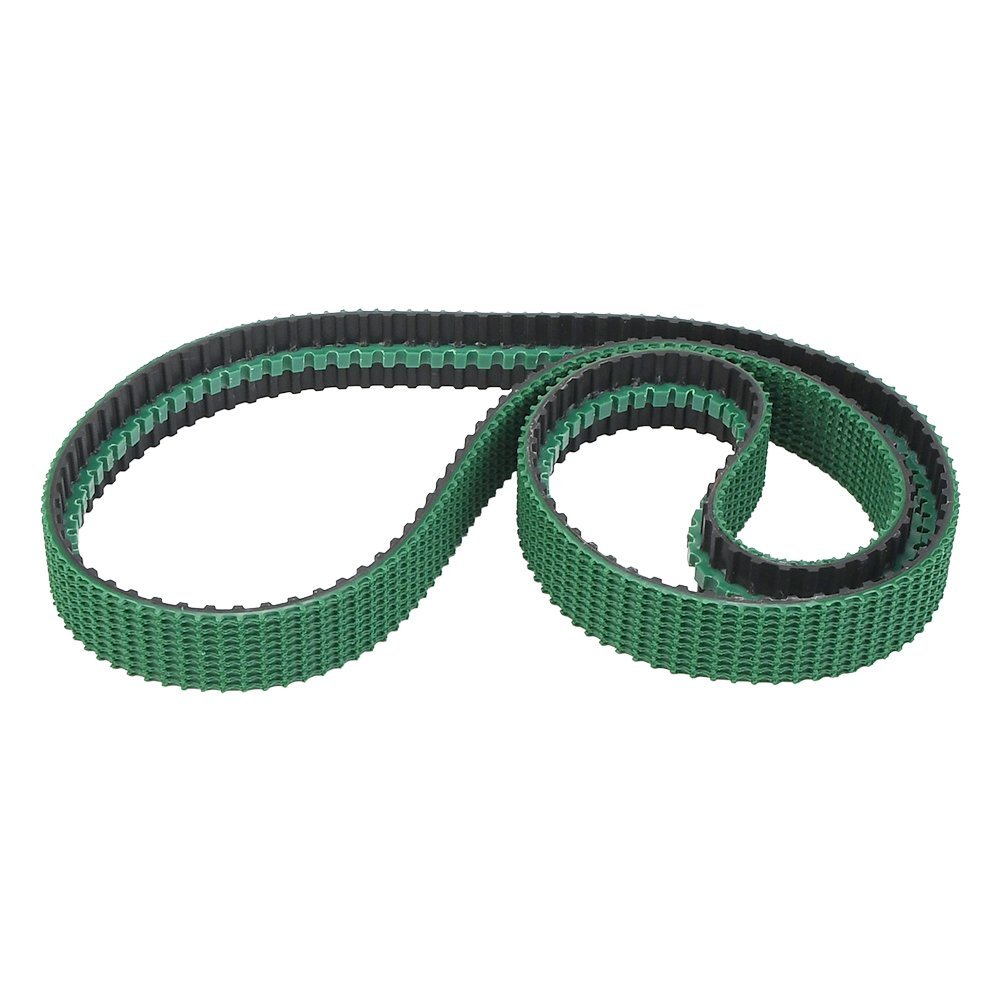
Cover options at a glance
| Cover | Typical working temperature | Best for | Avoid when |
|---|---|---|---|
| Natural rubber | About -20 C to +70 C, short peaks higher | General conveying, grip on inclines, abrasion resistance | Oil or solvent contact, continuous heat above about 80 C |
| PVC | Up to about 70 C to 80 C | Oily, wet or sticky products, low friction release, wet areas | Hot product, sharp heavy impact, very cold ambient |
| Silicone | Up to about 180 C, higher for short peaks | Hot parts, tacky products, release applications | Heavy abrasion, oil immersion, high load per unit width |
Thickness and surface finish
Cover thickness is usually 1 mm to 6 mm. Thin covers keep the belt flexible on small pulleys; thick covers absorb impact and last longer under sharp, lumpy material. Covers can be supplied smooth, with a fabric impression, grooved, or with cleats and edge walls added in the same vulcanizing cycle.
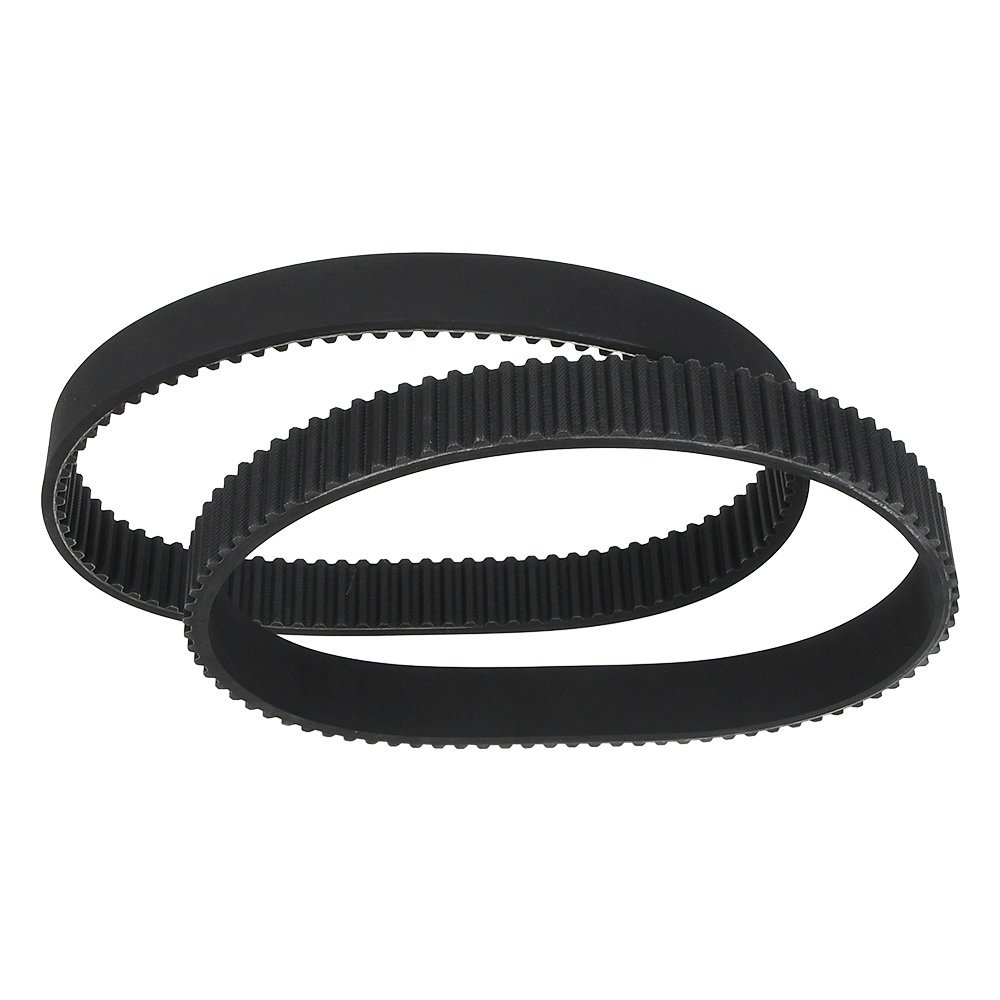
Four mistakes we see most often
- Specifying rubber for an oily product. The cover swells, softens and starts peeling at the edges within weeks.
- Using PVC where the product arrives hot. The cover softens and the splice becomes the first failure point.
- Asking for a thick cover on a small pulley. The belt goes stiff and splice fatigue life drops sharply.
- Ignoring the edges. Bonded edge strips are usually worth specifying when the belt tracks against a skirt or a guide rail.
Where cover quality actually shows
At the splice. A cover that is bonded in the same heat and pressure cycle as the belt body stays continuous across the joint. A cover that is glued on cold will lift at the splice first, and then water and fines get under it and travel along the belt.
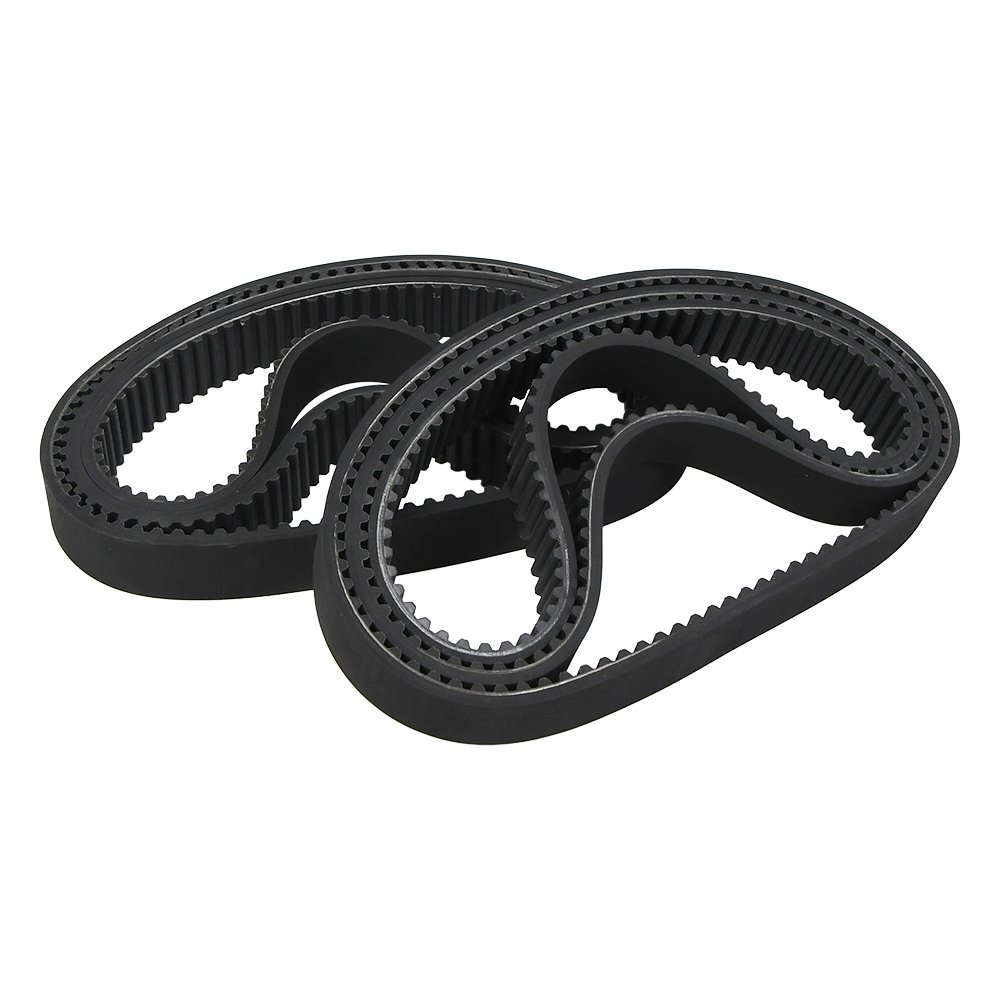
Tell us the product and the temperature
Send the material, its temperature, the belt width and the pulley diameters to sales@goodlybelts.com, or use the enquiry form. We will recommend a cover grade and thickness and quote the belt with the splice included.
Request a cover recommendation