Can a damaged vulcanized belt be repaired instead of replaced?
- Share
- Issue Time
- Oct 28,2026
Direct answer: A vulcanized belt can usually be repaired when the damage is local: cut out the affected section, prepare new steps and re-splice it, or patch the cover and the edges. Repair stops making sense when the carcass is exposed over a long length, the belt has stretched beyond its take-up, or the same point keeps failing.
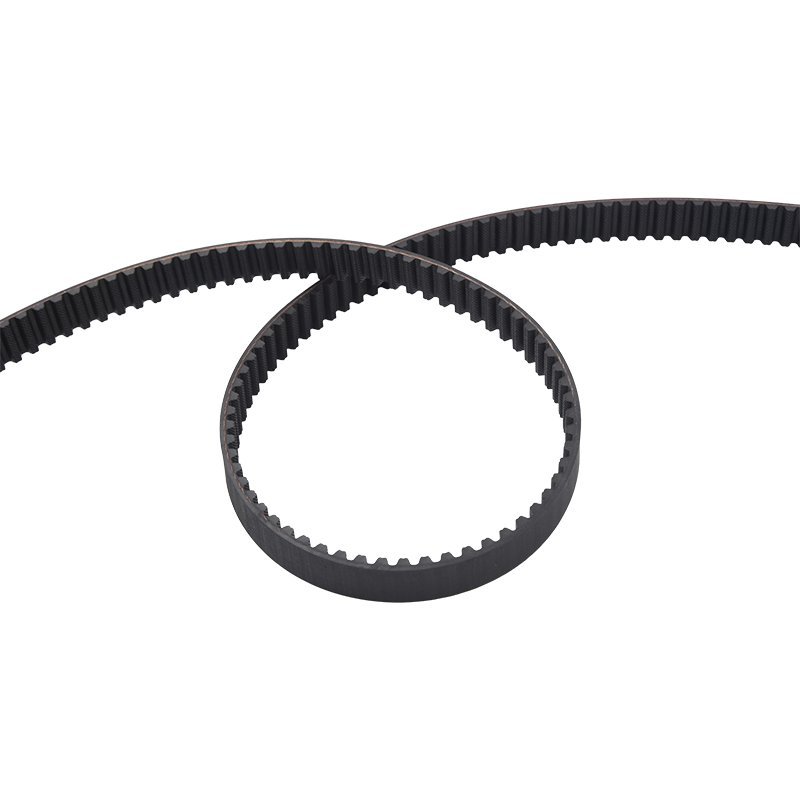
Repair or replace: the deciding factors
| Condition | Repair is usually viable | Replacement is usually better |
|---|---|---|
| Damage length | Under about one belt width | Longer than one to two belt widths |
| Tension members | Intact, only the cover is torn | Cords cut, frayed or exposed along the edge |
| Belt stretch | Still inside the take-up range | Take-up at its limit, or the pitch looks distorted |
| Failure history | First occurrence at this point | Third or fourth failure at the same point |
| Downtime window | You can give us 4 to 8 hours on site | Production cannot stop long enough for a cure |
How a repair splice is made
- Assess and mark: photograph the damage, measure how far the cords are affected, and mark a cut line at least one belt width beyond the damage.
- Cut the section out square to the edges, then step or finger both ends so the joint overlaps in plies instead of forming a butt seam.
- Clean and buff the steps, then apply the bonding compound specified for that belt compound.
- Close the joint in the press at the specified temperature and pressure and hold for the full cure time. Do not shorten the cure to save downtime.
- Cool under pressure, trim the flash, then re-tension and track the belt before restarting production.
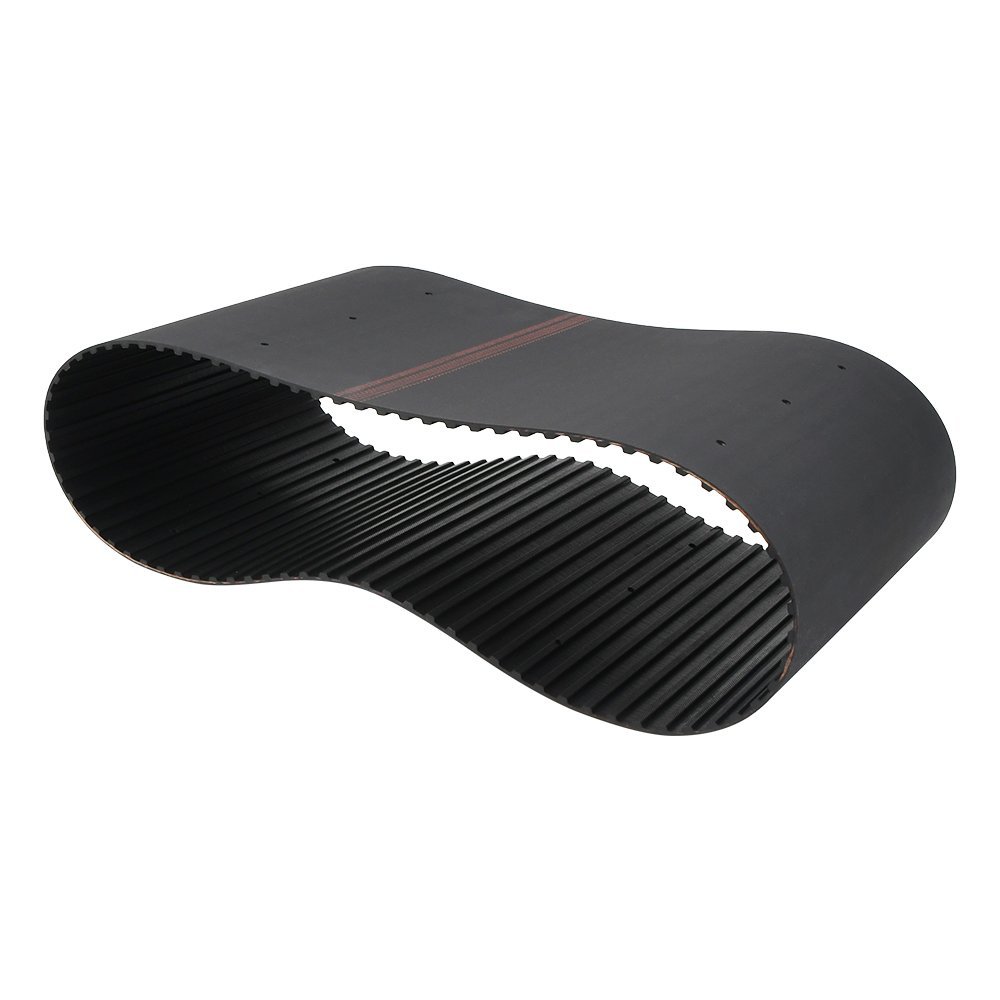
What we need in order to quote a repair
- Belt width, thickness and the approximate pitch or part code.
- Photos of the damage from two angles, plus one photo of the whole belt on the machine.
- The belt compound or cover type, if you know it.
- How many hours the machine can be stopped, and whether power and air are available at the splice point.
A repair splice is still a joint, so it will not be stronger than a correctly made original splice. If the original splice has already failed twice, the belt construction or the splicing procedure is usually the real problem, and a new splice alone will not fix it.
Send photos and we will tell you repair or replace
Email the damage photos and belt details to sales@goodlybelts.com, or use the enquiry form. We will confirm whether a repair splice is practical and quote either the repair materials or a replacement belt with the splice made in our workshop.
Get a repair assessment