How long does a timing belt last, and when should I replace it?
- Share
- Issue Time
- Oct 29,2026
Direct answer: A timing belt is replaced by condition, not by calendar. In a clean, aligned, correctly tensioned drive, rubber timing belts commonly give many thousands of hours of service, but heat, oil, dust and misalignment can shorten that dramatically. Inspect at fixed intervals and replace at the first clear wear signs, rather than waiting for a failure.
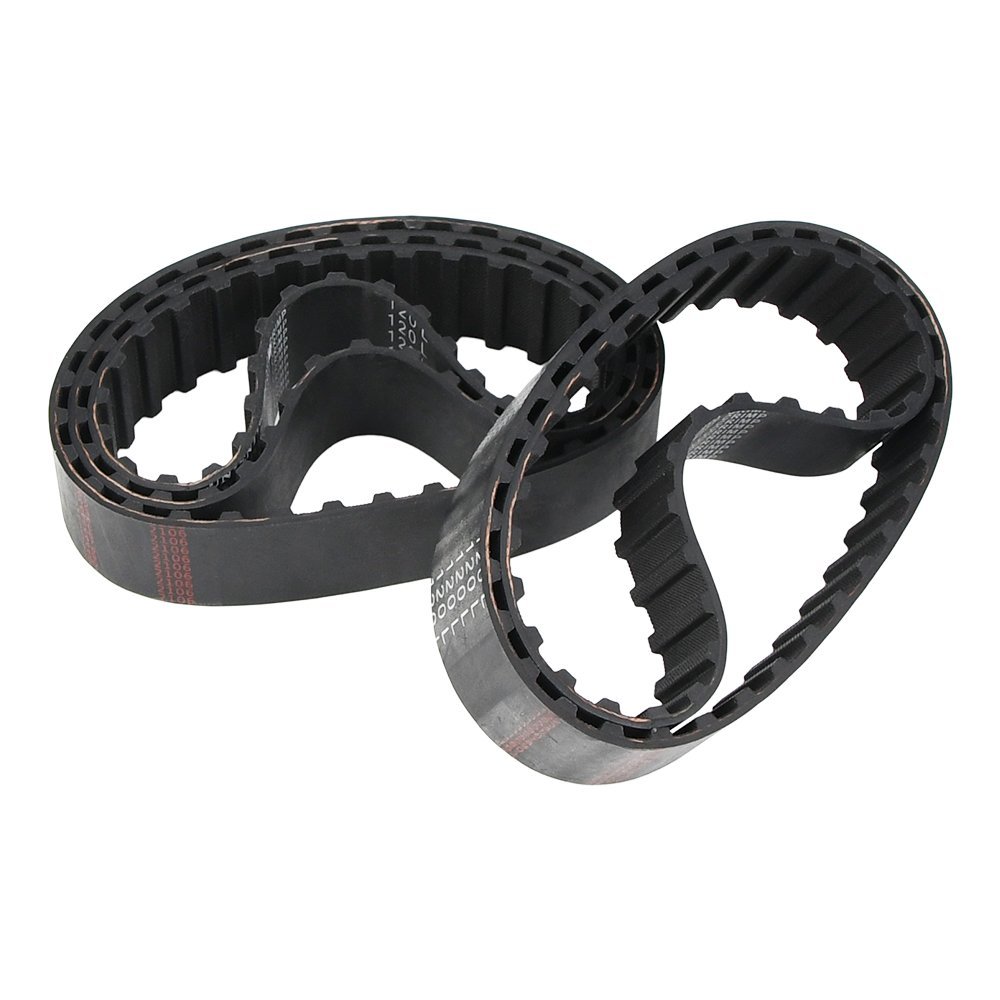
What decides how long a belt lasts
Tension and alignment
The two biggest factors. Over-tension heats and fatigues the cord; misalignment wears one edge and can ratchet teeth.
Environment
Heat, oil mist, abrasive dust and direct sunlight all age the rubber compound faster than the calendar suggests.
Pulley condition
Worn pulley teeth accelerate belt wear. Belt and pulley wear each other, so always assess them together.
Load character
Frequent starts, shock loads and back-bending idlers shorten life compared with a steady, lightly loaded drive.
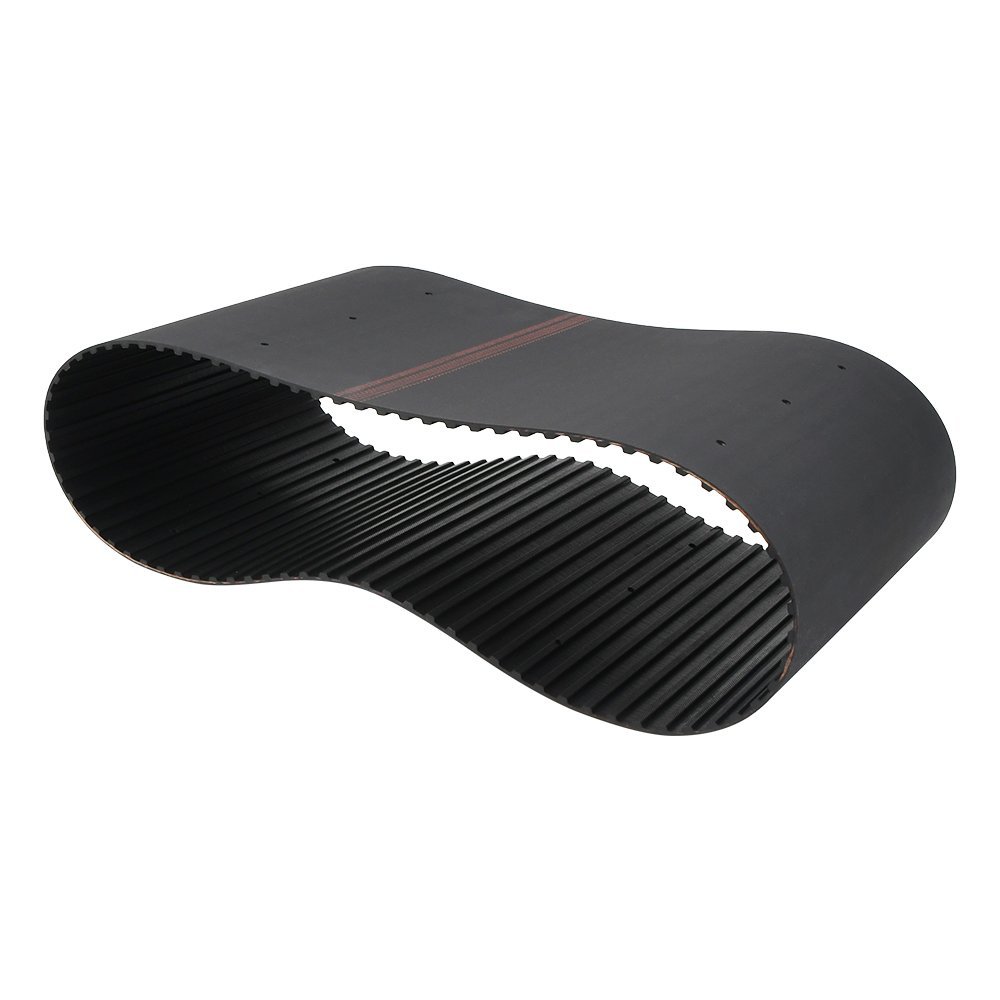
Signs it is time to replace now
- Cracks at the tooth roots, visible when the belt is flexed at one tooth.
- Cord lines showing through the tooth surface, or a frayed edge.
- A glazed, hardened or sticky back surface, which signals heat or chemical ageing.
- Tooth tips flattened or worn across the working face.
- New noise, such as slapping or a rhythmic ticking, that tracking and tension do not cure.
A practical inspection routine
| Duty | Inspection interval | Typical preventive replacement window |
|---|---|---|
| Light, clean duty | Every 6 months | Replace on evidence, often well beyond a year of running |
| General industrial duty | Every 3 months | Replace at first clear wear signs; plan a spare per machine |
| Hot, oily or dusty duty | Monthly | Shorter intervals; consider a more resistant compound instead |
| After any failure event | Immediately | Find the root cause before fitting the new belt |
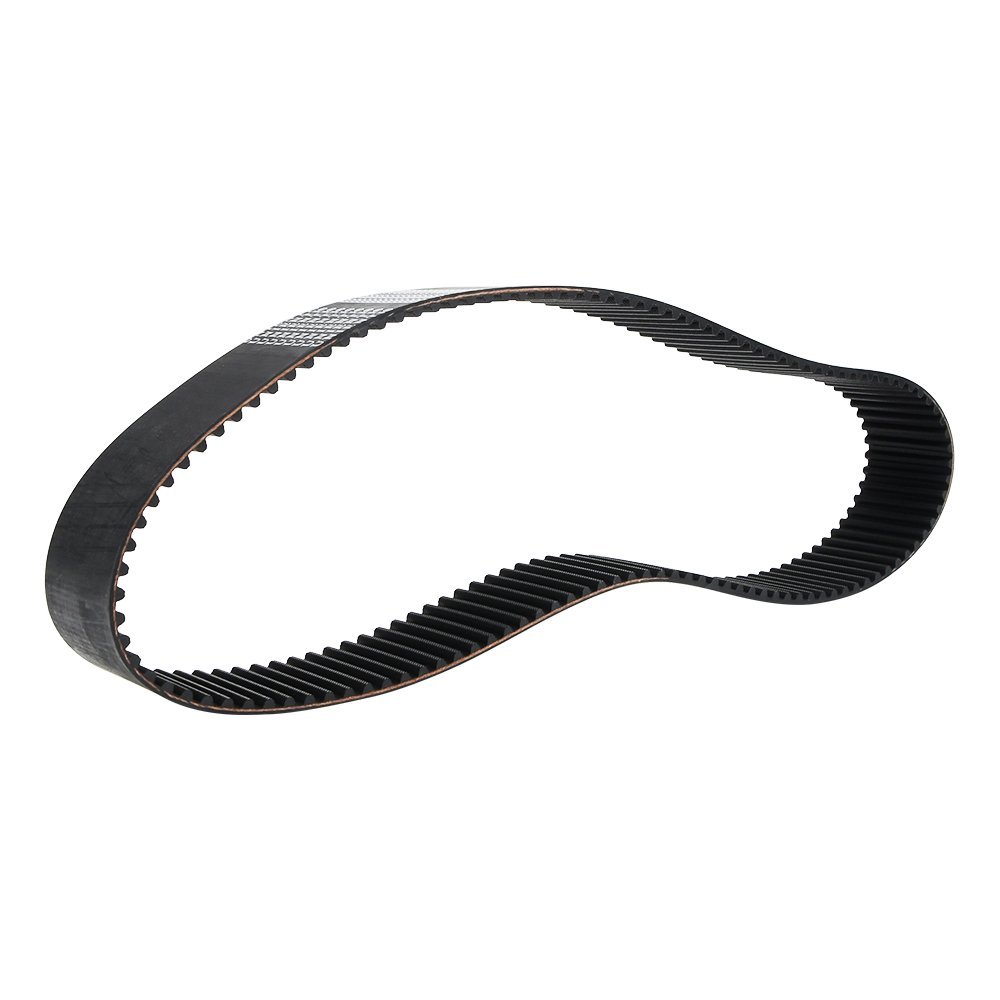
Want a longer-lasting belt for your duty?
Send your application details, environment and current failure pattern to sales@goodlybelts.com. We will suggest the compound, cord and tension practice that best matches your drive.
Ask for a belt review