How do I choose the right thickness and ply count for a vulcanized belt?
- Share
- Issue Time
- Oct 30,2026
Direct answer: Choose thickness from the smallest pulley diameter first: every fabric ply and rubber layer adds bending stiffness, so a belt that is too thick for small pulleys runs hot at the joints and fatigues early. Then check the ply count against the required tension, and only then add covers or profiles for the surface duty. A belt that is one ply heavier than needed is a common and costly mistake.
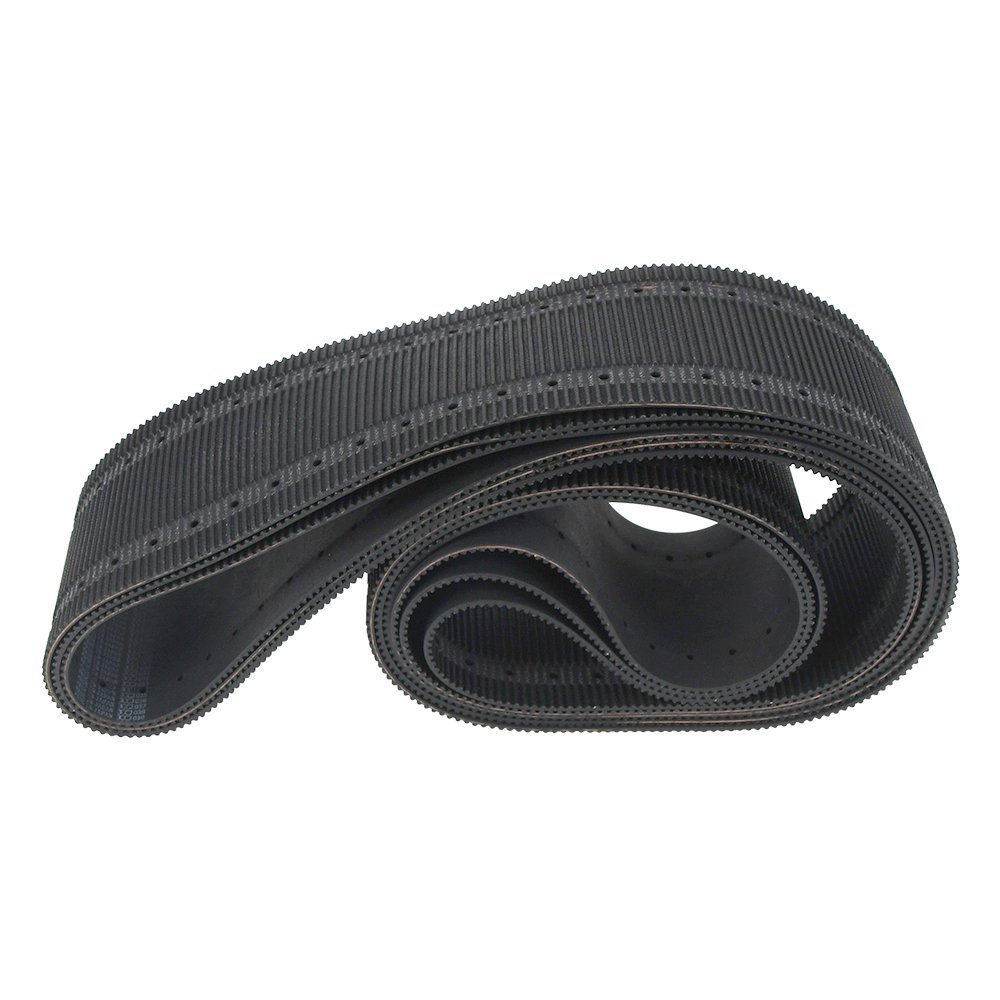
Three inputs decide the construction
Smallest pulley
The minimum pulley diameter for each belt type exists for a reason: below it, the inner plies and the joint work permanently in overload. List the smallest pulley or roller the belt touches, including snub and tension rollers.
Tension class
Heavier loads and longer spans need more plies or stronger cord. But plies are not free: each one raises the minimum pulley size and the joint complexity.
Surface duty
Cleats, profiles, covers and drilled or ground surfaces all modify the effective thickness. Fix the base construction first, then layer the surface features on top.
Practical selection sequence
- Write down the smallest pulley or roller diameter the belt must wrap, not just the drive pulley.
- Estimate or measure the drive tension: conveyed weight, incline, acceleration and starting torque all count.
- Pick the lightest ply construction that carries that tension with margin and still clears the minimum pulley diameter.
- Add cover or profile thickness only where the application needs grip, release or product protection.
- For critical machines, confirm the final build with the manufacturer before ordering.
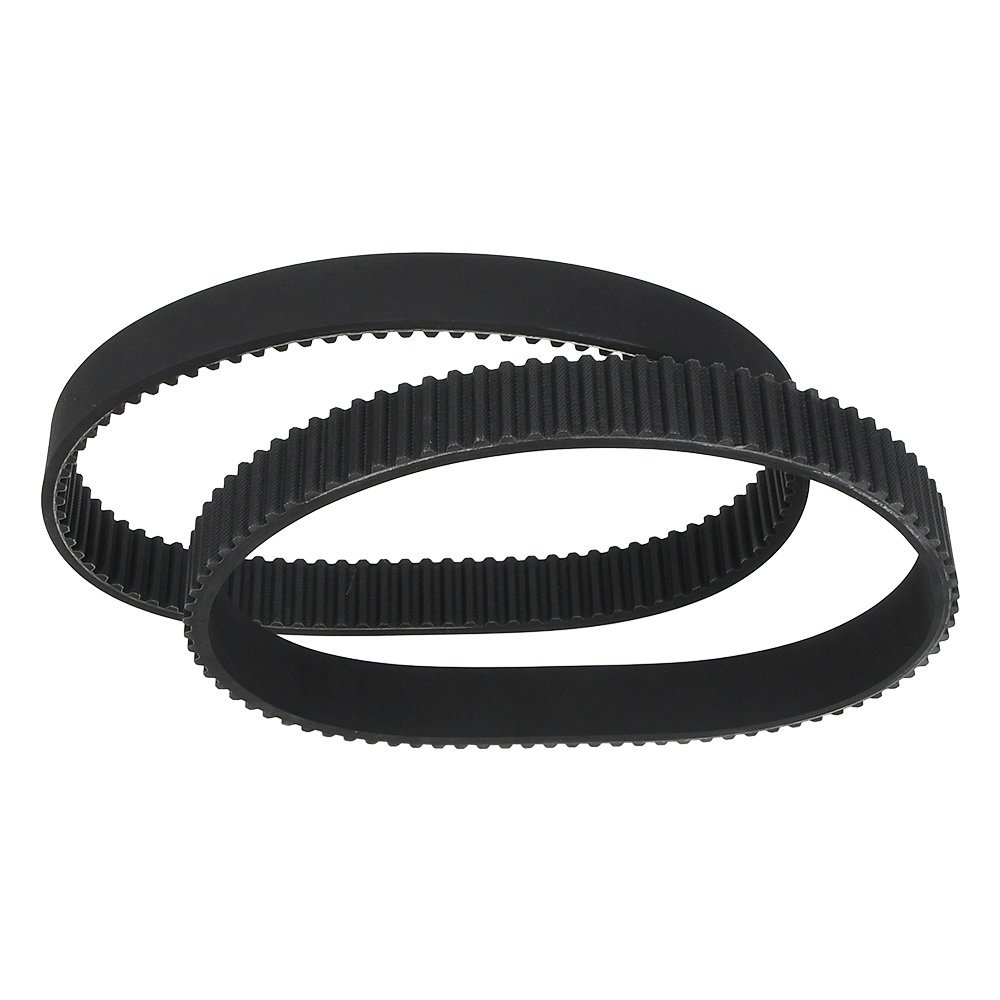
Typical symptoms of a wrong construction
| Symptom | Likely cause | Direction |
|---|---|---|
| Joint cracks early or runs hot | Belt too thick for the smallest pulley | Reduce plies or increase pulley diameter |
| Belt stretches and needs constant re-tension | Too few plies for the tension class | Move up one ply class or change cord |
| Belt refuses to track or trough | Too stiff for the pulley/roller layout | Lighter construction or larger rollers |
| Cover wears through quickly | Cover too thin for the conveyed product | Thicker cover or different compound |
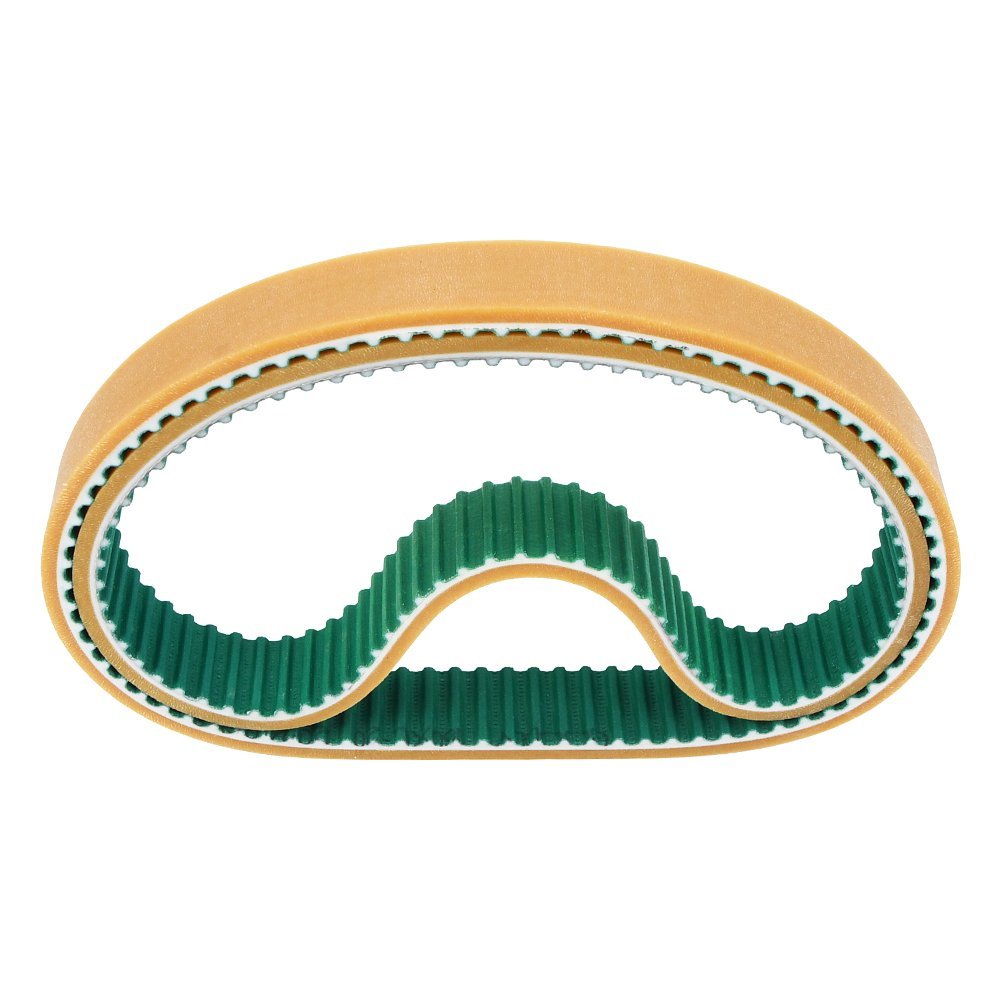
Want a second opinion on your belt build?
Email the smallest pulley diameter, belt width and load description to sales@goodlybelts.com, or use the enquiry form. We will suggest a construction and confirm it against our manufacturing limits before quoting.
Check my belt construction