How do I choose the right pulleys for a timing belt drive?
- Share
- Issue Time
- Oct 30,2026
Direct answer: The pulley pitch profile must match the belt exactly: an 8M belt runs only on 8M pulleys, and HTD and STPD are not interchangeable. Then respect the minimum tooth count recommended for that belt at your speed, keep flanges on both sides of at least one pulley (better both pulleys), and choose a material that suits the torque and speed. Getting the pitch right but ignoring tooth count is the most common drive error we see.
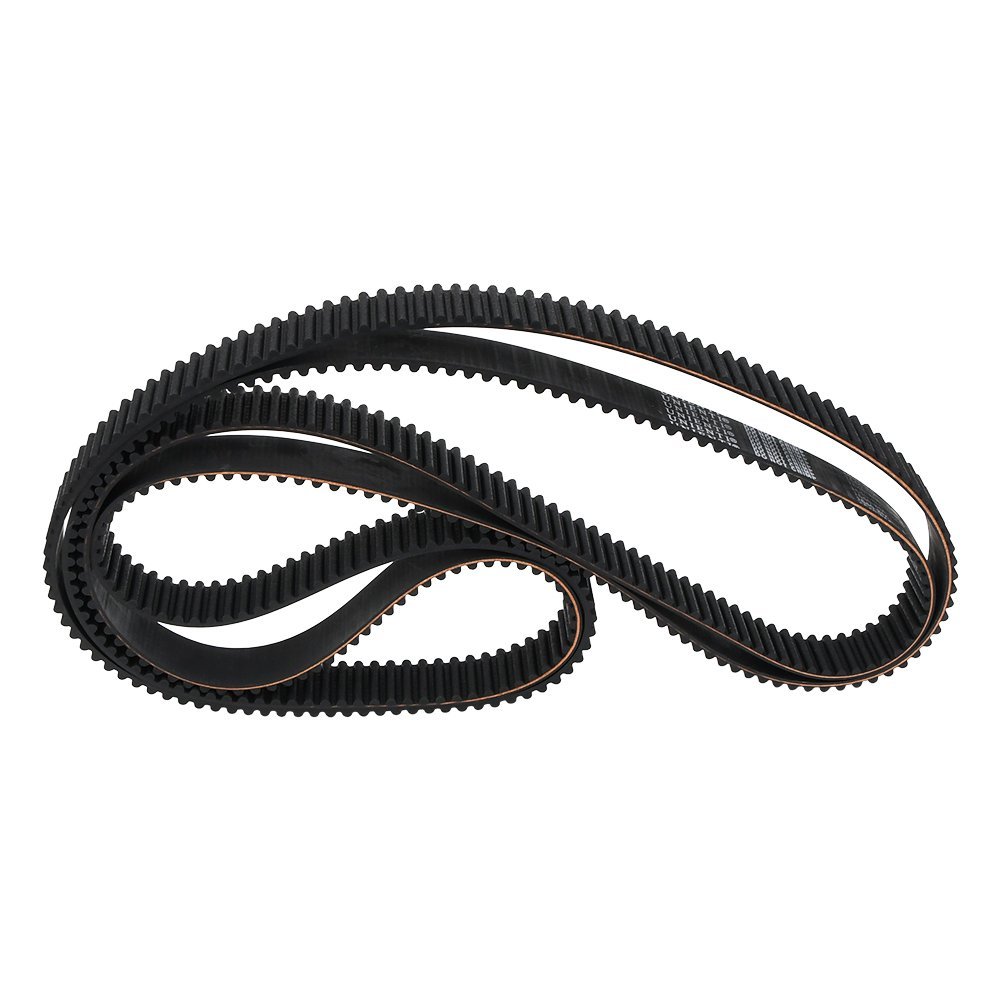
The four checks, in order
| Check | Rule of thumb | Why it matters |
|---|---|---|
| Pitch and profile | Identical designation on belt and pulley: 8M with 8M, S8M with S8M, AT10 with AT10 | Similar-looking curvilinear profiles do not mesh; mismatch destroys teeth within hours |
| Minimum tooth count | Stay at or above the belt manufacturer minimum for the pitch and RPM, small pulleys at high speed need more teeth | Too few teeth in mesh overloads the few engaged teeth and rips cords |
| Flanges | Flange both sides of at least one pulley; flange both pulleys on vertical or reversing drives | Flanges keep the belt captive; without them the belt walks off at the first misalignment |
| Material and bore | Steel or aluminium for power duty, aluminium or engineering plastic for light, fast, quiet drives | Pulley deformation or bore play shows up as vibration and uneven belt wear |
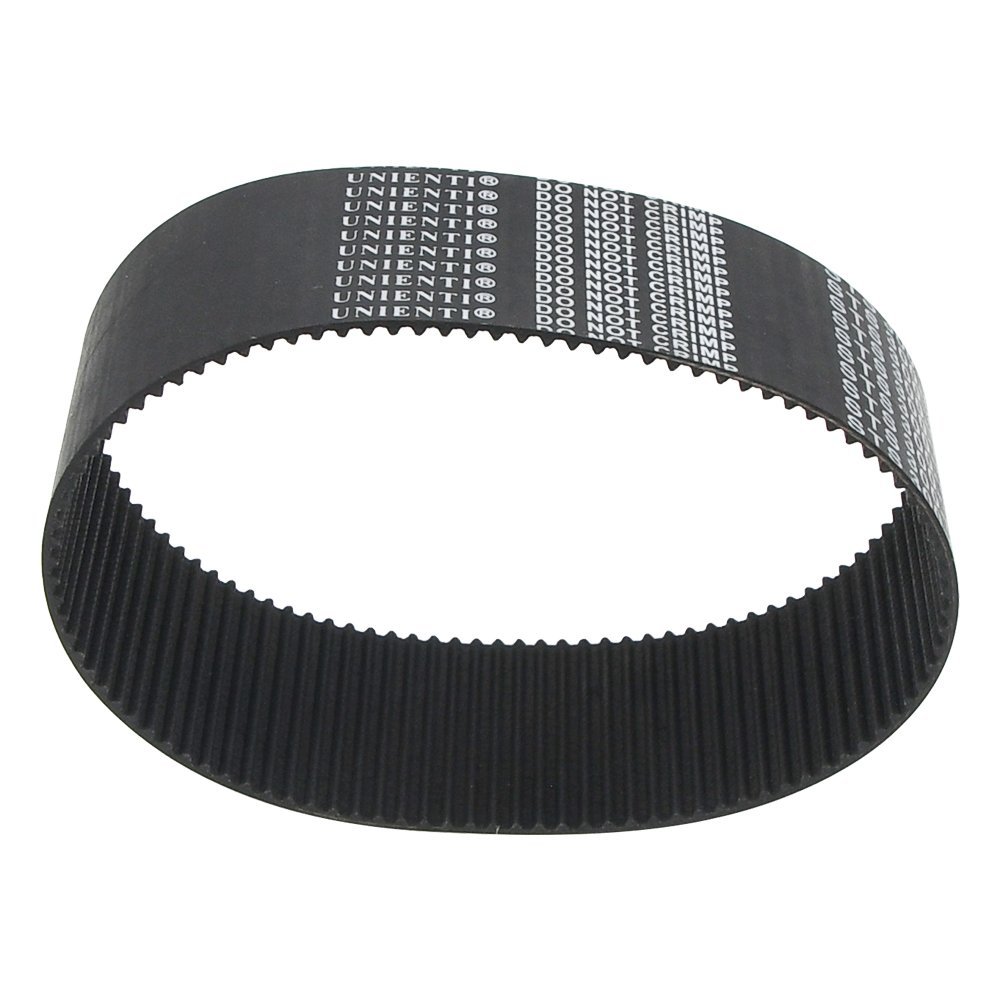
Details buyers often forget
- Pitch diameter and outside diameter are different numbers: the belt rides on the pitch diameter, the flange sits on the outside diameter.
- Keyways, set screws, taper bushings or clamp collars: choose the hub style before ordering, retrofitting is annoying.
- For idlers, use flanged idlers on the back of the belt or toothed idlers inside the span; smooth idlers on the tooth side wear the teeth.
- Check the pulley width against the belt width: the belt needs lateral play inside the flanges, typically a few millimetres.
- When replacing a belt on existing pulleys, measure the pulley outer diameter and count the teeth, and inspect the tooth tips for wear: new belts on worn pulleys die young.
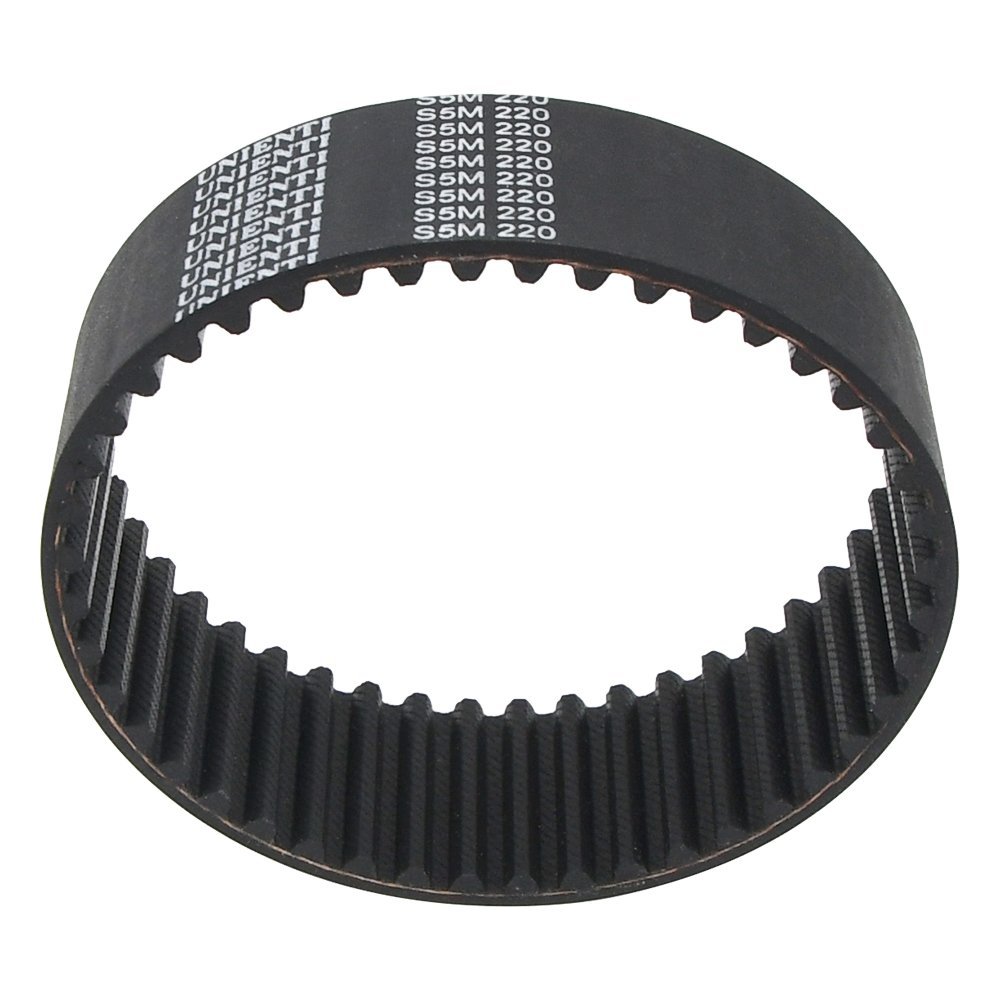
If your drive must be rebuilt from scratch, sending us the motor power, RPM and centre distance is enough for us to propose belt and pulley sizes together, so the two orders cannot drift apart.
Need pulleys matched to your belts?
Email the belt code, tooth counts or drive data to sales@goodlybelts.com, or use the enquiry form. We will propose matching pulleys and quote belt and pulleys as one set.
Request matched pulleys