Ground-tooth or moulded timing belt: when is grinding worth it?
- Share
- Issue Time
- Nov 11,2026
Direct answer: Every timing belt starts moulded. Grinding is the extra step that machines the tooth flanks after moulding, removing mould variation and leaving a consistent, accurate profile. Ground belts engage pulleys more smoothly, run quieter and position more precisely. If your drive is a general power transmission duty, a well-made moulded belt is usually enough; if it positions, runs fast, or needs low noise, grinding is worth the small extra cost.
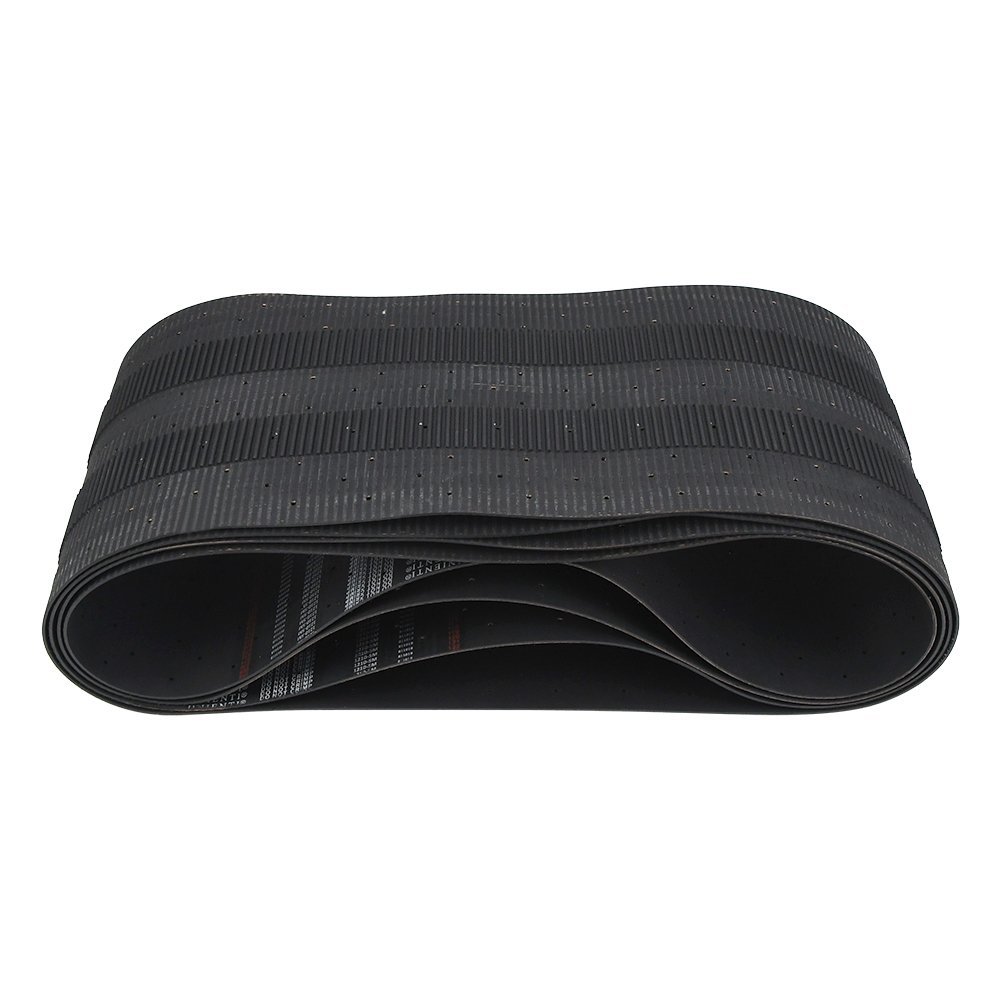
Moulded versus ground, side by side
| Aspect | Moulded belt | Ground belt |
|---|---|---|
| Tooth profile accuracy | Matches the mould tool; varies slightly with tool wear and process | Machined to a consistent profile after moulding |
| Running smoothness | Good for general drives | Smoother engagement, less tooth tapping on entry |
| Noise | Standard for the pitch and load | Usually quieter, especially at higher speed |
| Positioning consistency | Adequate for conveying and simple timing | Preferred for indexing and positioning axes |
| Cost and lead time | Lower, no extra step | Small extra cost, one more process step |
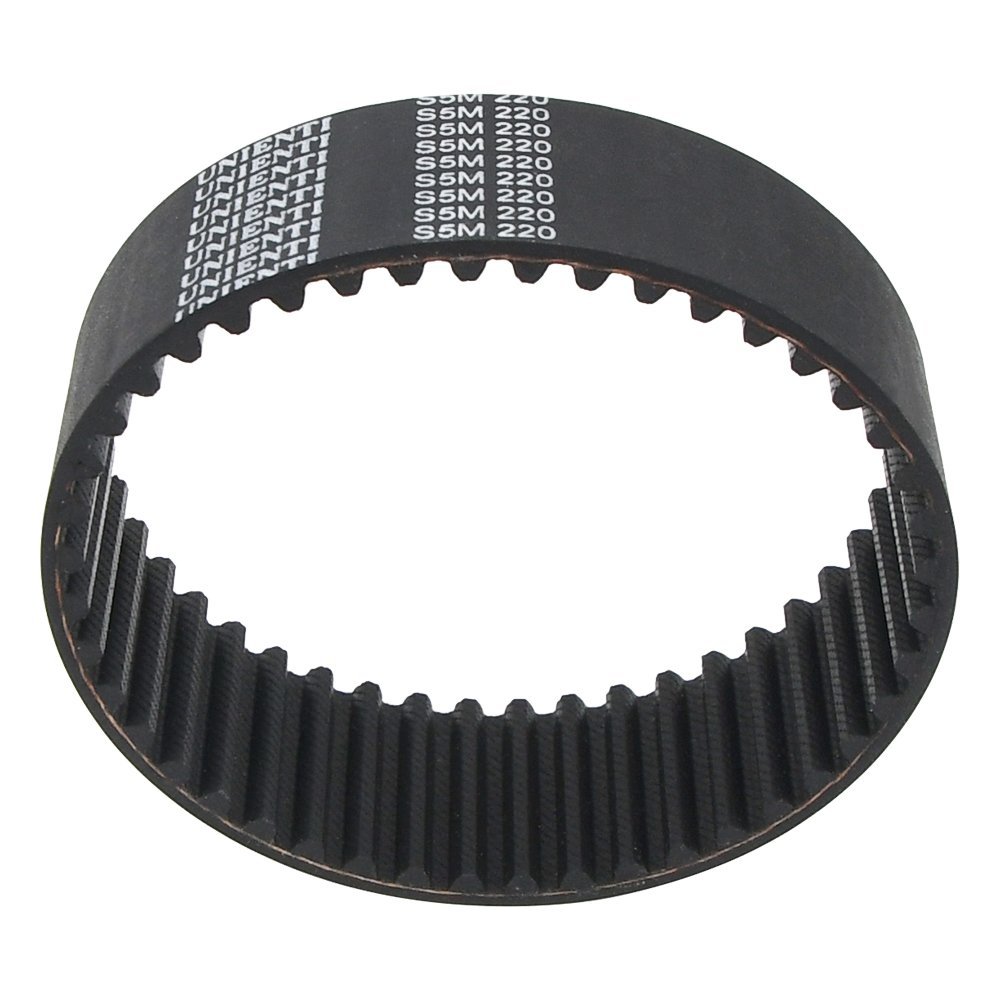
When grinding pays off
- Positioning and indexing drives, where repeatable tooth engagement matters more than belt price.
- Higher-speed drives, where small mould irregularities become audible tapping and vibration.
- Wide belts, where grinding keeps the profile consistent across the whole width instead of relying on the mould alone.
- Noisy applications in clean or people-facing environments, where a quieter belt solves a complaint rather than a fault.
- Drives where you previously replaced a moulded belt with a ground one and measured the difference in smoothness or accuracy.
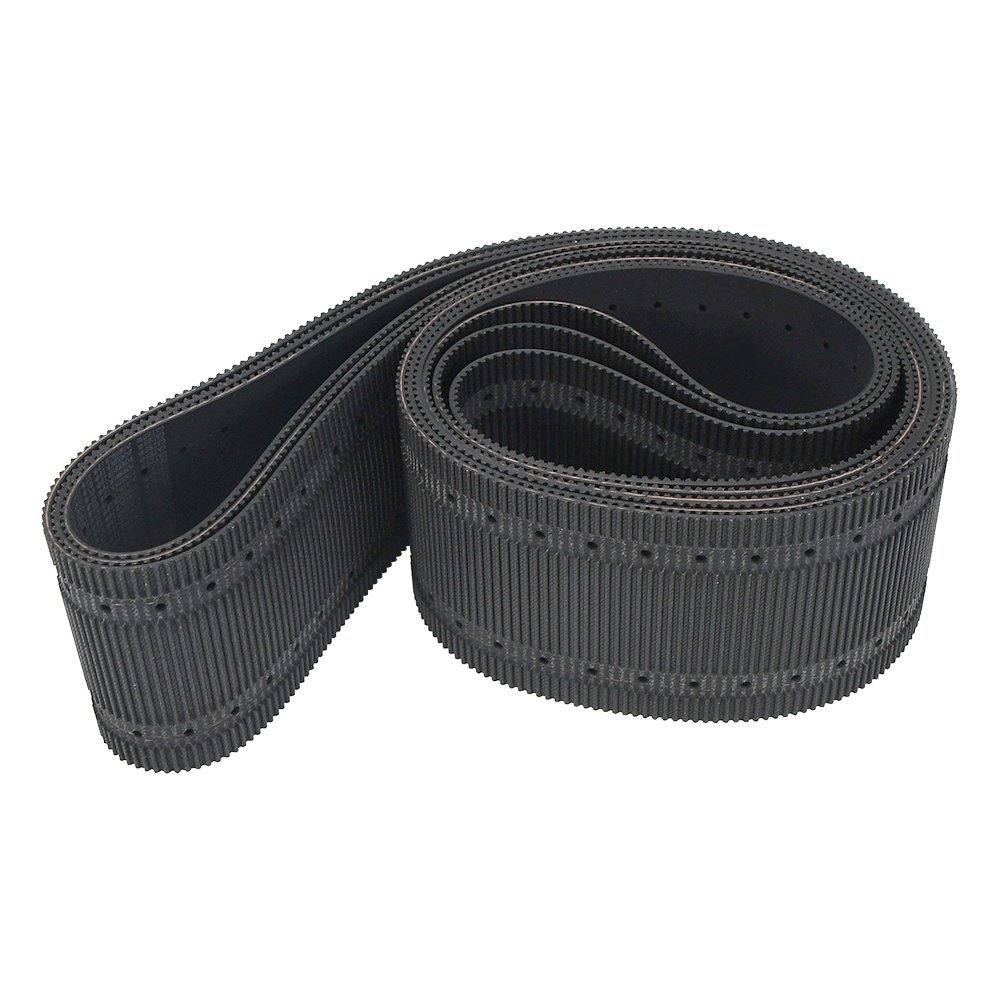
What to tell us when ordering
- The duty: power transmission, conveying, or positioning. This decides whether we recommend ground or moulded.
- Speed and load data, so the recommendation reflects how hard the belt works, not just its size.
- The pulley condition. Grinding cannot compensate for worn pulley grooves; if the pulleys are worn, that is the first fix.
- Any combined processing you need, since grinding, punching, covering and marking can all be planned in one route.
Grinding improves profile consistency and running character; it does not change the belt pitch system or its strength. Choose it for quality of engagement, not for a higher rating.
Not sure which construction fits?
Email sales@goodlybelts.com with the belt model or dimensions, the duty and speed, and whether noise or positioning is a concern. We will recommend moulded or ground, explain why, and quote both if it is close.
Ask for a construction recommendation