What happens if a custom timing belt does not fit when it arrives?
- Share
- Issue Time
- Nov 12,2026
Direct answer: Do not force it on. Measure the belt and the pulleys first, then send us the belt marking, tooth count, pitch length, belt width, pulley outside diameters and the centre distance at both ends of the take-up range. In most cases the difference is between the approved drawing and the machine, not inside the belt, and one measurement round identifies which. If the belt does not match the approved drawing, we remake or correct it; the exact terms are stated on your order confirmation.
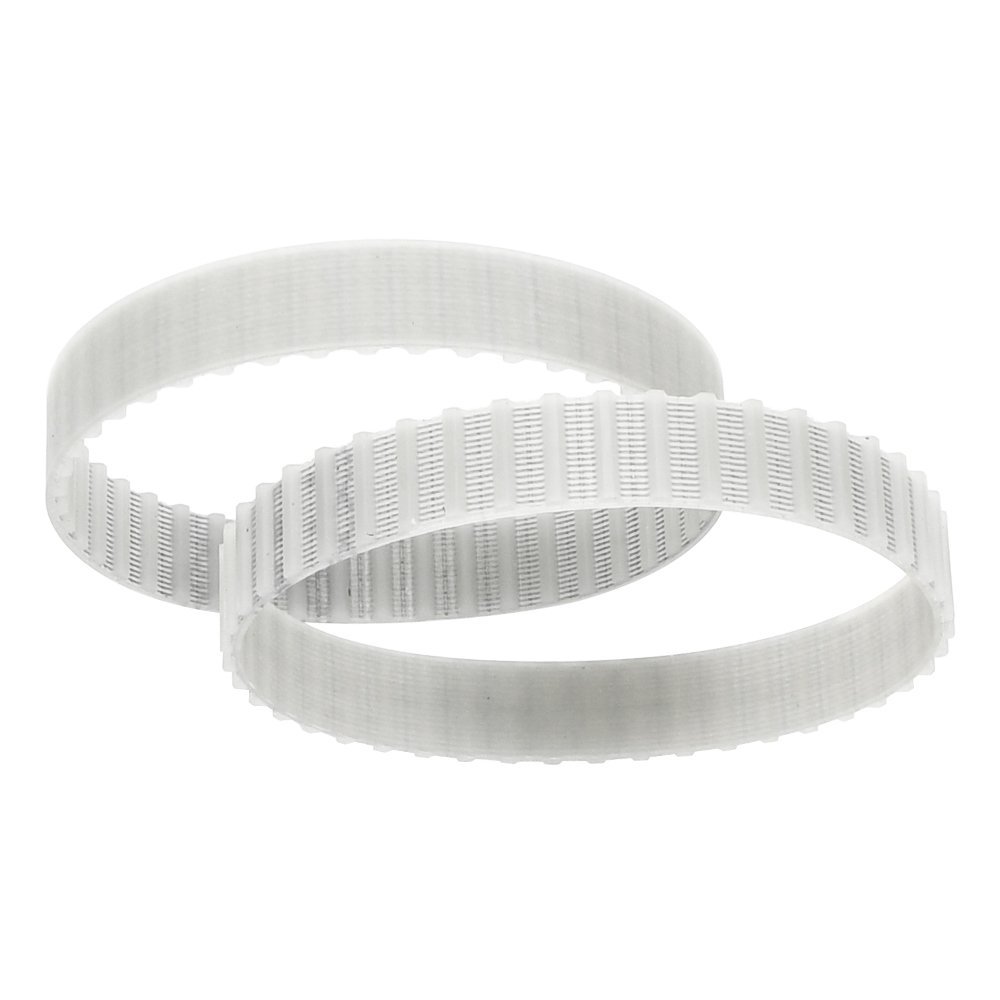
Stop before you pry it on
Forcing a belt over a flange stretches the tensile cords unevenly, damages the tooth flanks and can crack a pulley flange. The belt may then fit, but it will run with one side tight, track to the flange and fail early, which turns a size question into a warranty discussion. If it will not seat with normal hand pressure and the take-up backed off, stop and measure.
The five usual causes
| What you see | Most likely cause | How to confirm |
|---|---|---|
| Belt looks too short | Frame already at minimum centre distance, or pitch length differs from the drawing | Measure pitch length and compare with the approved drawing |
| Belt too long, take-up runs out | Wrong code shipped, or drawing revised after the order | Compare belt marking with the purchase order and drawing revision |
| Will not seat in the pulley | Different pitch family, worn pulley, or a tooth form that only looks similar | Check marking and count pulley teeth, then compare pitch |
| Rides to one flange | Pulley alignment or frame squareness, not belt length | Straight edge or laser across both pulley faces |
| Hot or noisy once running | Over-tension, or too few teeth in mesh | Check sag and count the engaged teeth |
What to send so it closes in one round
- A photo of the belt marking and a photo of the belt laid flat next to a tape measure.
- Tooth count and measured pitch length, plus the width across the teeth.
- Pulley outside diameter and tooth count for both pulleys, and the number of grooves or flanges.
- Centre distance measured with the take-up at minimum and at maximum.
- The approved drawing or the order confirmation, so we compare against the same revision.
- Two or three photos of the installation, including how the belt sits in each pulley.
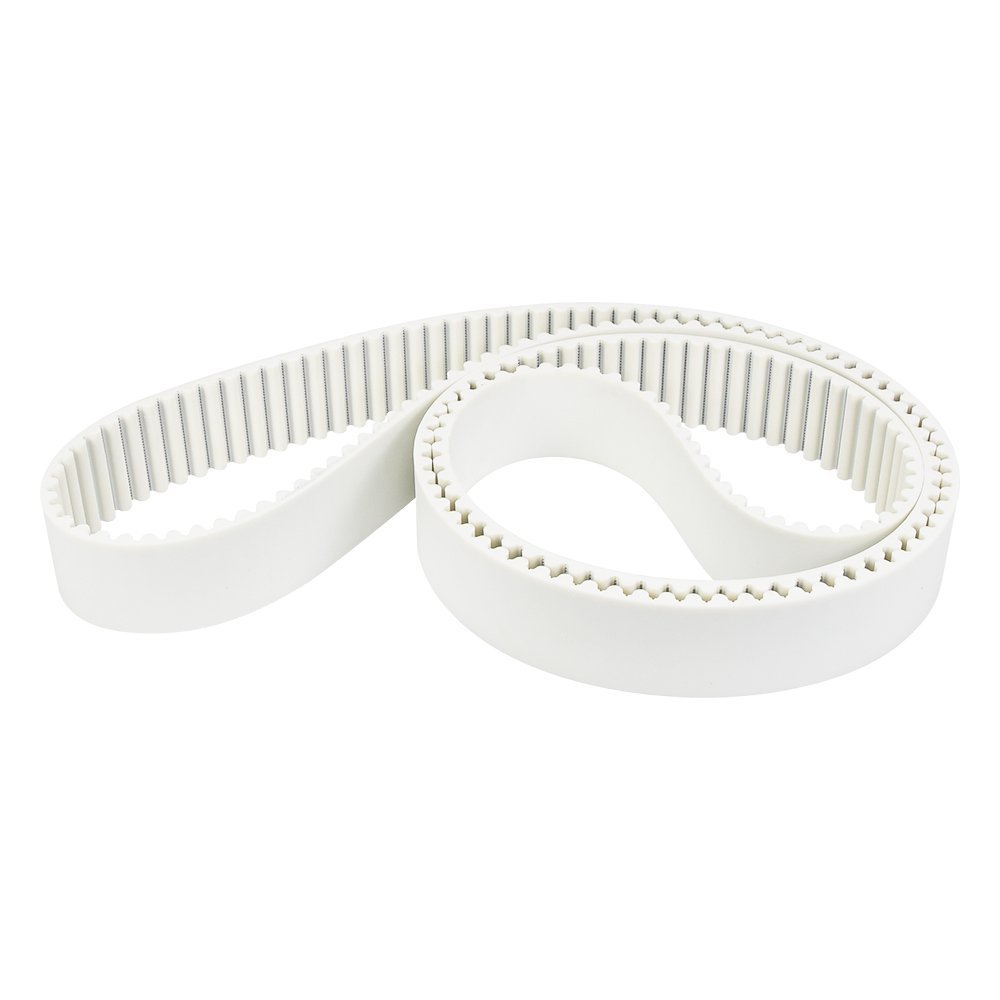
How a mismatch is resolved
- We compare the belt dimension by dimension against the approved drawing, including pitch length, width and tooth form.
- If the belt deviates from the drawing, we remake or correct it under the terms on your order confirmation.
- If the drawing itself was wrong, we re-quote the corrected belt and issue a revision note so the next order starts from the right data.
- If the machine changed after the drawing was approved, the same measurement round produces the corrected dimensions for the replacement.
- For a new part number, an approval drawing plus a first article before the full run removes most of this risk at the start.
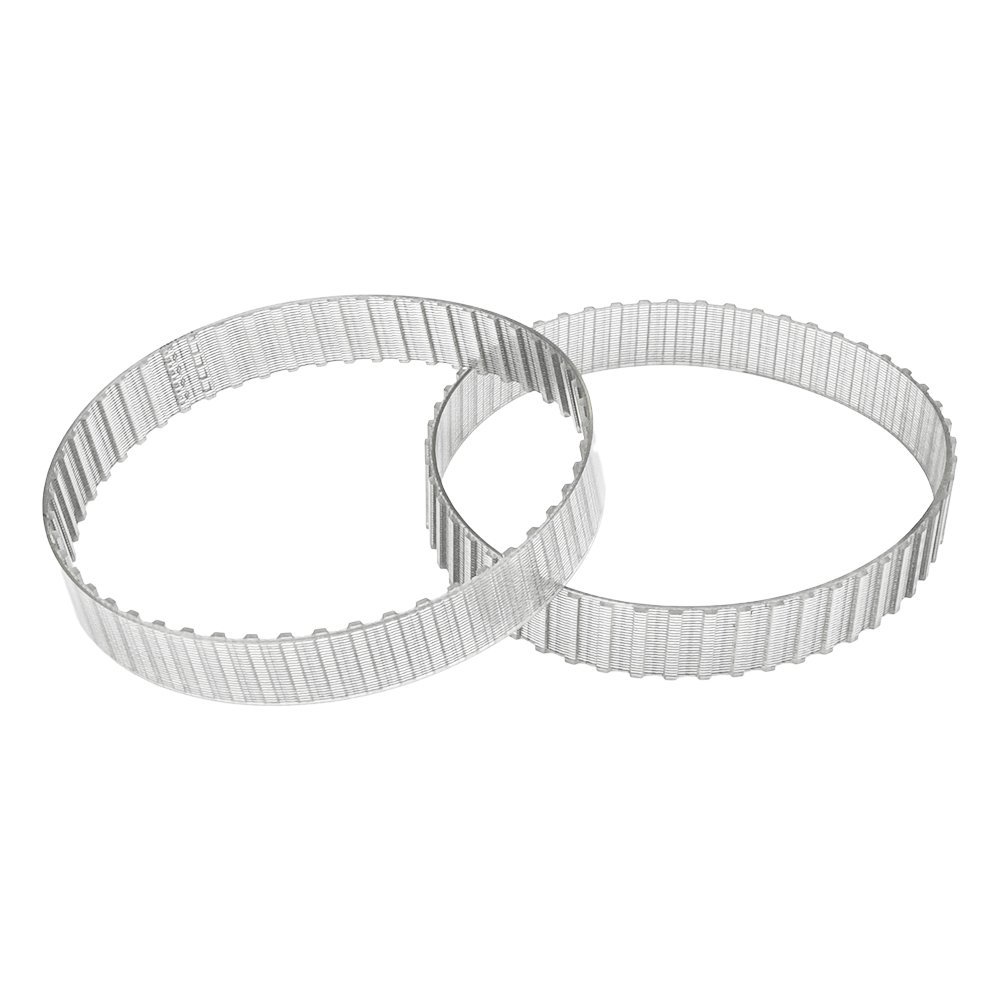
Send the measurements, get a straight answer
Email sales@goodlybelts.com with the belt marking, tooth count, pitch length, pulley diameters and centre distance. We will tell you whether the belt or the drawing is out, and what the correction is, before you spend another shift trying to make it fit.
Send fit measurements