Can an open-ended PU timing belt be joined on site for a retrofit?
- Share
- Issue Time
- Nov 13,2026
Direct answer: Yes. Open-ended PU timing belt can be spliced into a closed loop on site when the conveyor or drive frame cannot be split to fit an endless belt. The two ends are cut square, stepped or finger-cut, then welded under controlled heat and pressure with a splice press. The joint carries a reduced load compared with an endless belt and adds a small pitch step at the splice, so an endless moulded belt remains the better choice whenever the frame can be opened.
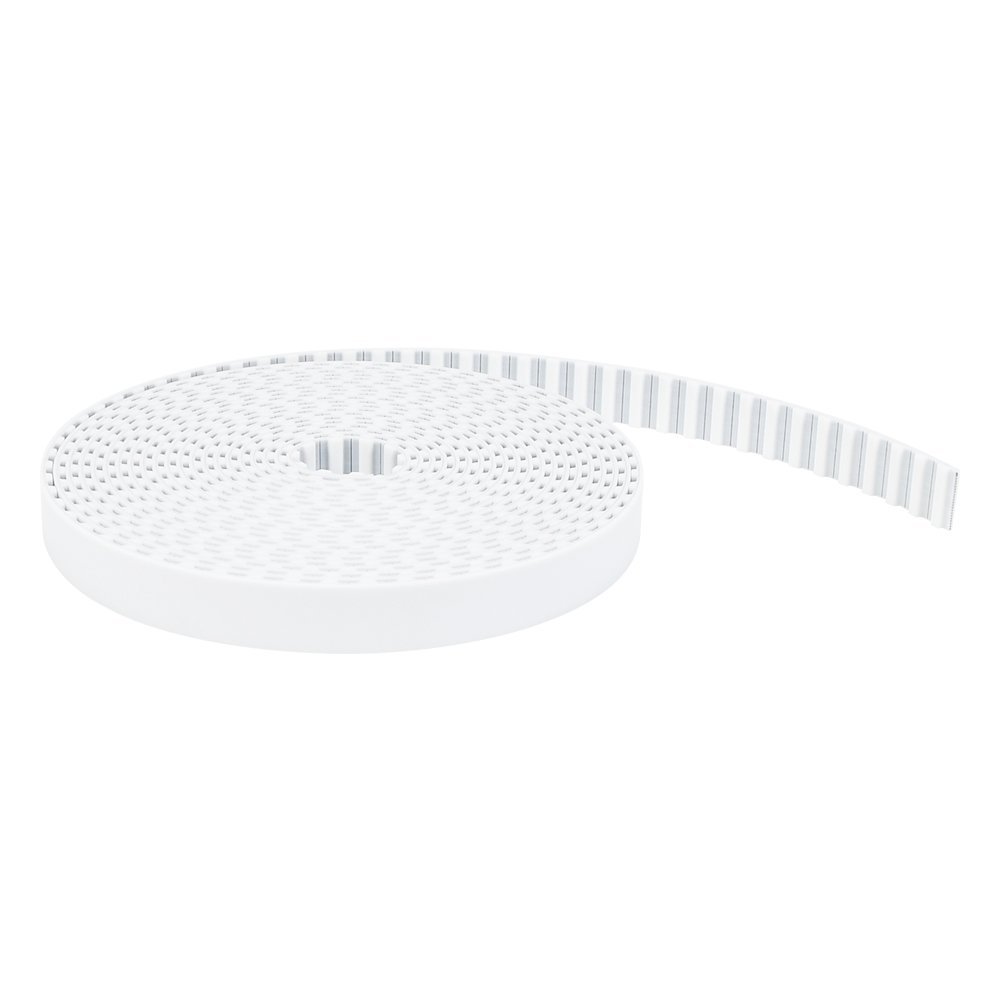
When a spliced belt is the right answer
- The frame is welded or the shaft cannot be removed, so a closed loop cannot be threaded into place.
- The machine is being converted from another belt type and the drive layout is fixed.
- You need a spare on the shelf that can be cut to length for several similar machines instead of stocking each length.
- The duty is conveying or light positioning where a small step at the splice does not affect the process.
- Downtime matters more than the last few percent of load capacity, and the belt can be re-spliced quickly.
How the splice is made
A PU splice is a weld, not a glued repair. Both ends are trimmed square to the belt axis, the tooth pattern is stripped back in a stepped or finger pattern to spread the load over a longer overlap, the faces are cleaned and the joint is closed in a heated press at a controlled temperature, pressure and dwell time. The result is a joint whose strength depends far more on how well the cut and the pressing were done than on the belt itself. A splice made with a blunt blade, an uneven step or a cold press looks acceptable and fails within weeks.
| Property | Spliced open-end belt | Endless moulded belt |
|---|---|---|
| Installation on a closed frame | Possible without dismantling | Frame must be split or a shaft removed |
| Tensile capacity at the joint | Below the endless belt, quoted as a joint factor | Full belt rating |
| Pitch accuracy | Small step at the splice | Continuous tooth pitch |
| Suitable for indexing or positioning | Only where the step is tolerable | Preferred |
| Lead time for a replacement | Cut from stock, fast | Made to length, longer |
| Best use | Retrofit, emergency, multi-length stock | New builds, precise drives, high load |
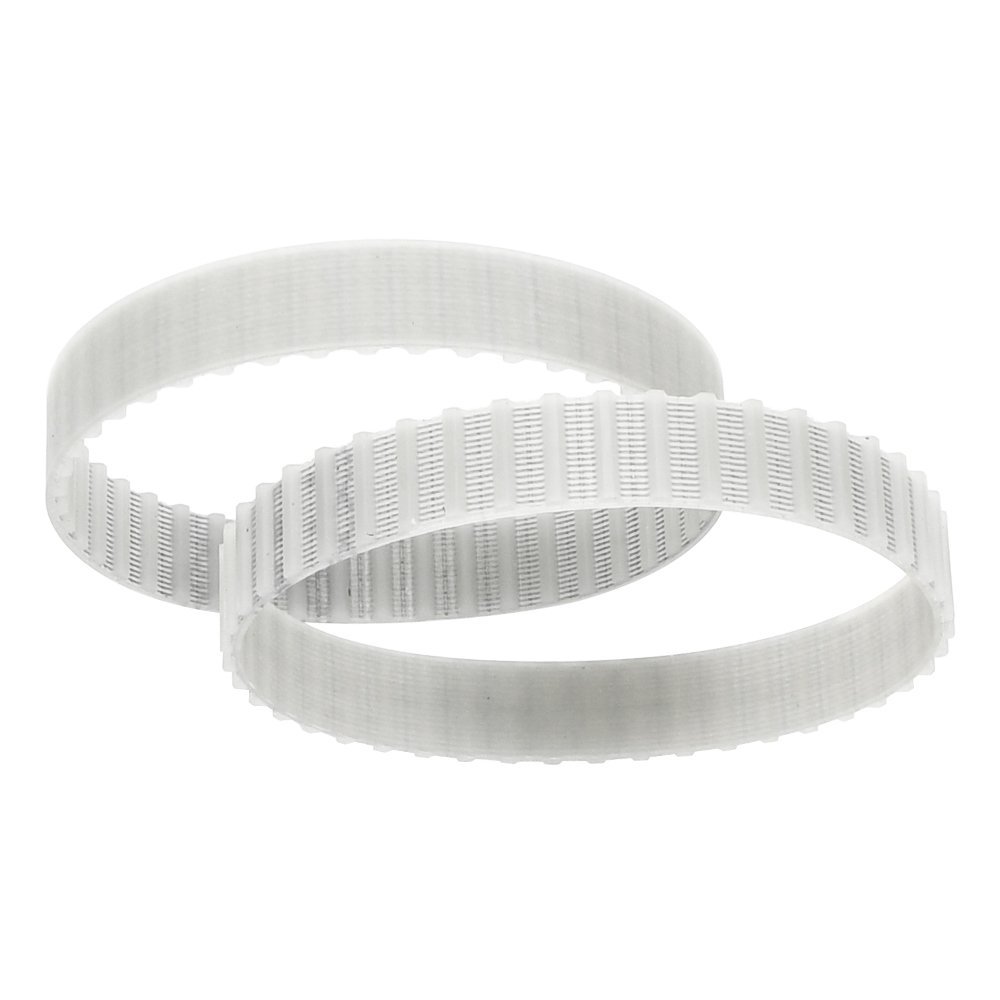
Rules that keep a spliced belt running
- Ask for the joint factor of the specific belt and size, then size the drive on the jointed figure, not on the endless rating.
- Keep the splice away from the smallest pulley at rest if the layout allows it, so the joint is not parked in a tight bend.
- Run the joint through the drive slowly by hand after fitting and look for a lifted edge or a visible step.
- Re-check tension after the first hours of running, because a fresh splice beds in slightly.
- Keep the press, the cutting jig and the blade in good condition. The joint is only as good as the tooling that made it.
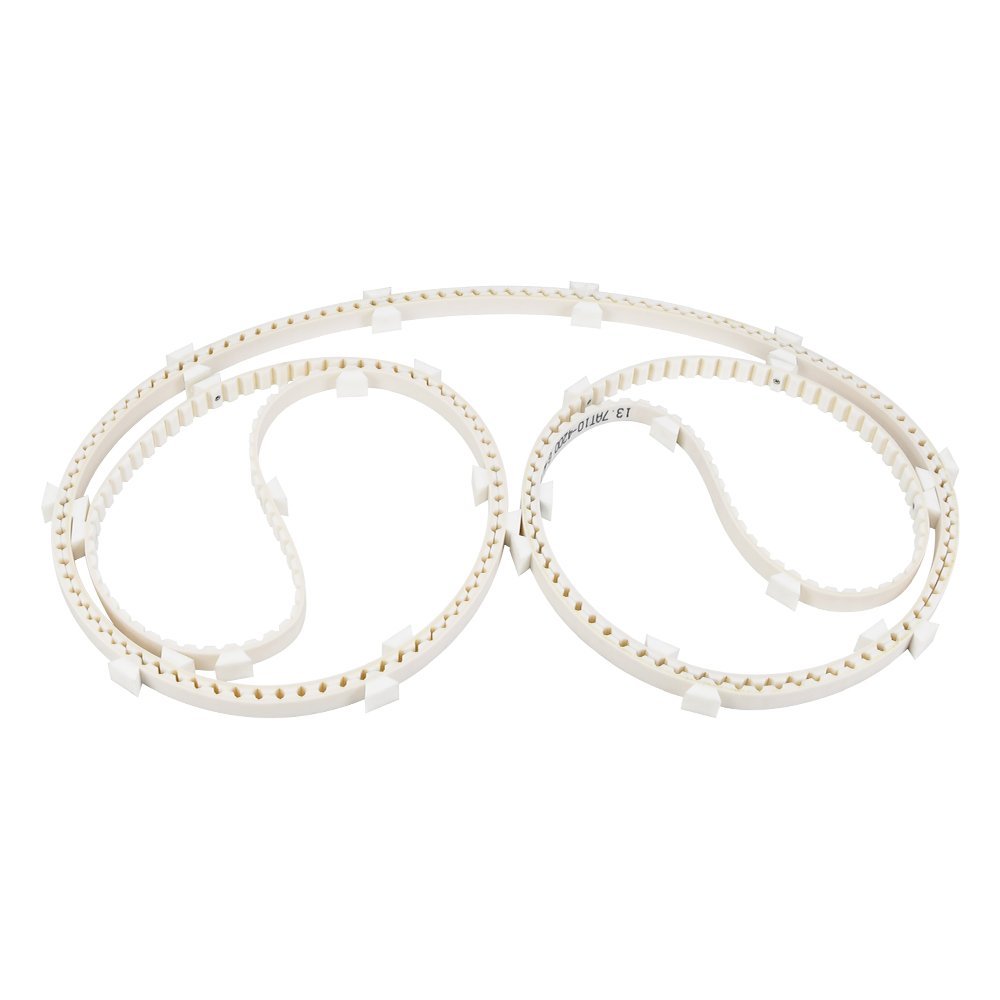
Check whether your retrofit can be spliced
Email sales@goodlybelts.com with the belt size, width, pulley diameters, the load and whether the frame can be opened. We will tell you if a spliced open-end belt is workable, what joint factor applies and whether an endless belt is the safer route.
Ask about a spliced belt