How should I clean a vulcanized belt without damaging the cover?
- Share
- Issue Time
- Nov 13,2026
Direct answer: Clean dry first, then wet. Brush off and vacuum loose material, scrape stuck material with a plastic or brass scraper instead of a steel blade, then wash with mild detergent and water and let the belt dry before restarting. Keep petrol, thinner and aggressive solvents away from a rubber cover, keep high-pressure jets off the vulcanized joint, and never scrape across the splice in line with the belt.
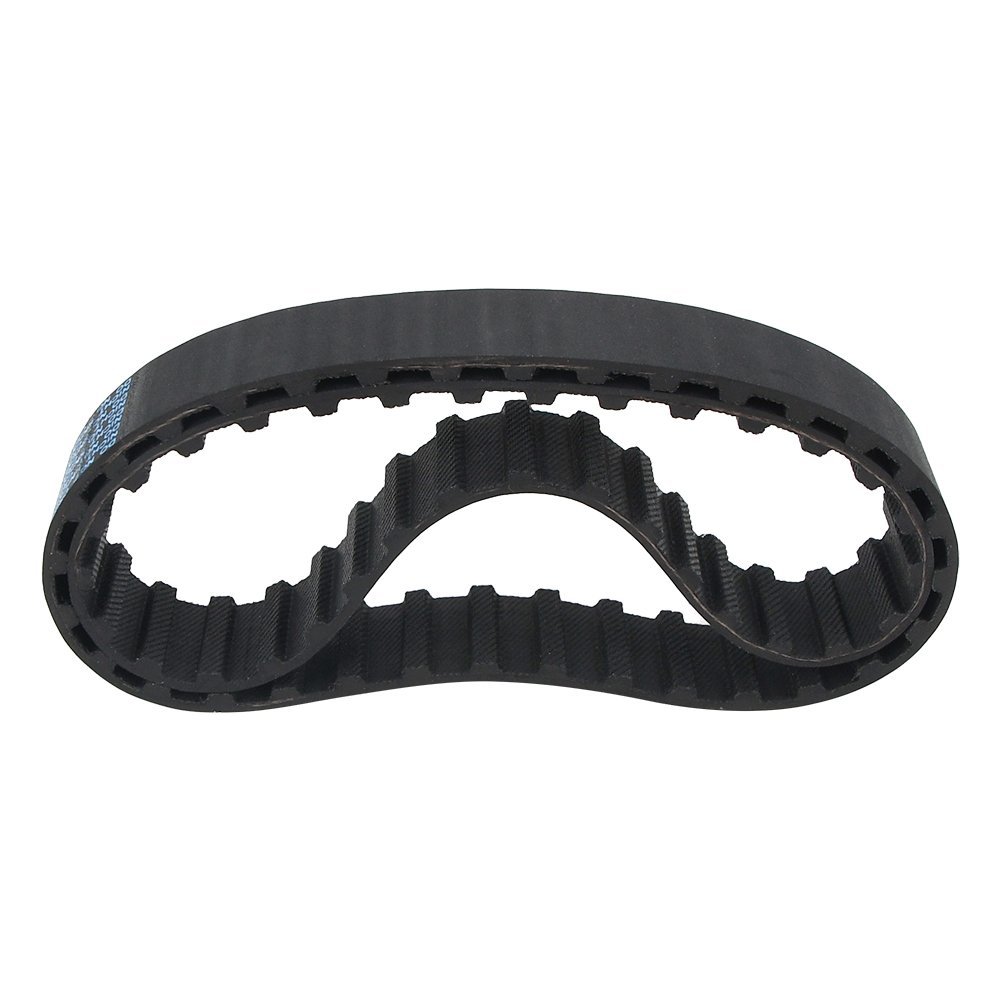
The cleaning sequence that does not shorten cover life
- Lock out the drive and confirm the belt cannot move before anyone reaches in.
- Brush and vacuum the dry material first. Most carryback leaves easily once it is loose, and dry removal avoids spreading slurry into the pulley grooves.
- Scrape what is stuck with a plastic scraper, or a brass scraper where the deposit is hard. Hold the blade at a shallow angle and work along the belt, not across it.
- Wash with water and a mild detergent, using a soft brush. Rinse with clean water so no detergent residue stays on the cover.
- Dry the belt before restarting, or run it empty for a few minutes with the cleaning station off. A wet cover picks up material again immediately.
- Clean the pulleys and the return-side scrapers in the same session. Cleaning the belt while the pulleys stay coated simply transfers the problem back.
What not to use
| Avoid | Why it damages the belt |
|---|---|
| Petrol, thinner, brake cleaner | Swells and softens the rubber cover, then leaves it brittle as the solvent evaporates |
| Steel scraper or chisel | Cuts through the cover and exposes the carcass, which then absorbs water |
| High-pressure jet on the joint | Drives water into the splice edges and starts ply separation |
| Steam close to the splice | Heat and moisture together soften the joint bond |
| Wire brush on a running belt | Polishes and thins the cover, and is dangerous close to nip points |
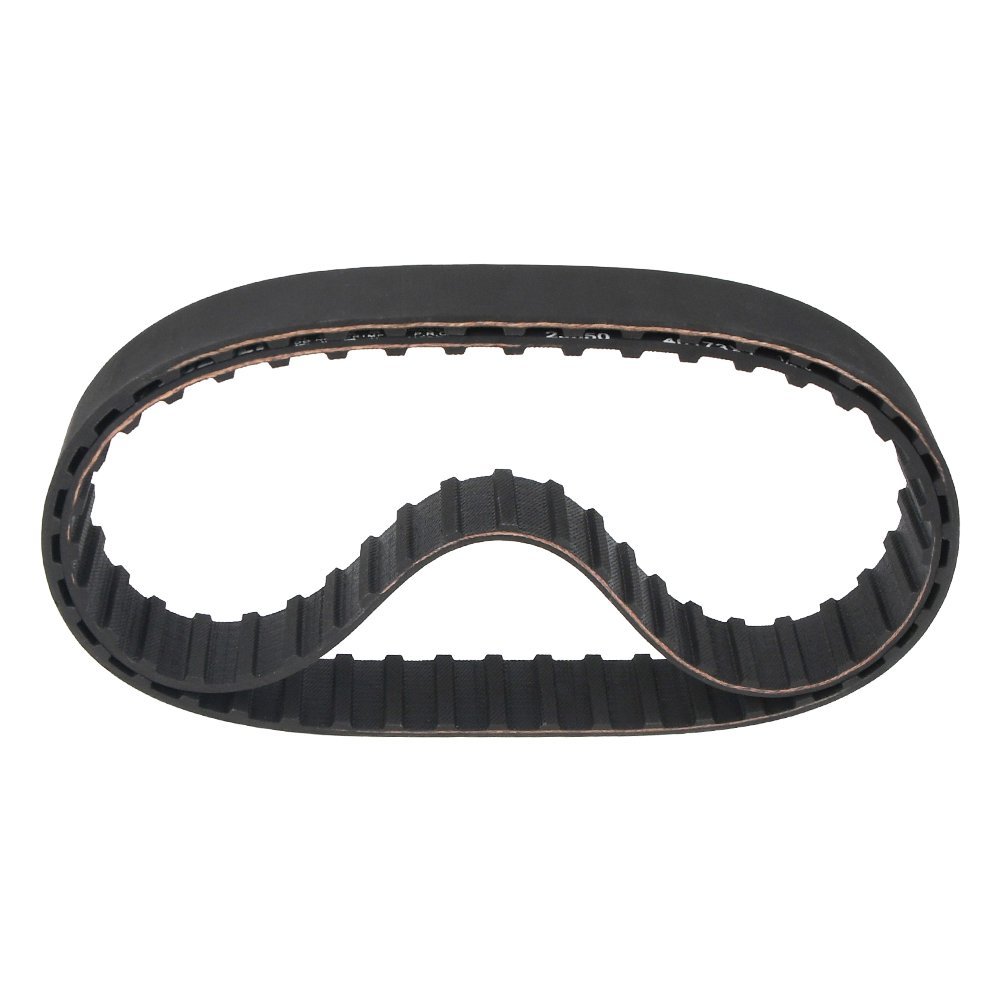
If build-up keeps coming back
Cleaning treats the symptom. If the same section coats up within days, look at the scraper setting, the discharge height, the material moisture and any oil or water dripping onto the belt. A scraper that is set too far from the belt lets a film through, and that film is what the next layer sticks to. On wet or sticky material, a slight increase in belt speed or a different cover can reduce carryback more than more frequent washing.
A practical cleaning rhythm
| Interval | Action |
|---|---|
| Each shift | Visual check of the return side and pulley grooves, clear obvious lumps |
| Weekly | Dry brush and vacuum, check scraper contact and clearance |
| Monthly | Wash, inspect cover for cracks and worn edges, check the joint |
| After any spill or product change | Clean before restart, especially where material is sticky or abrasive |
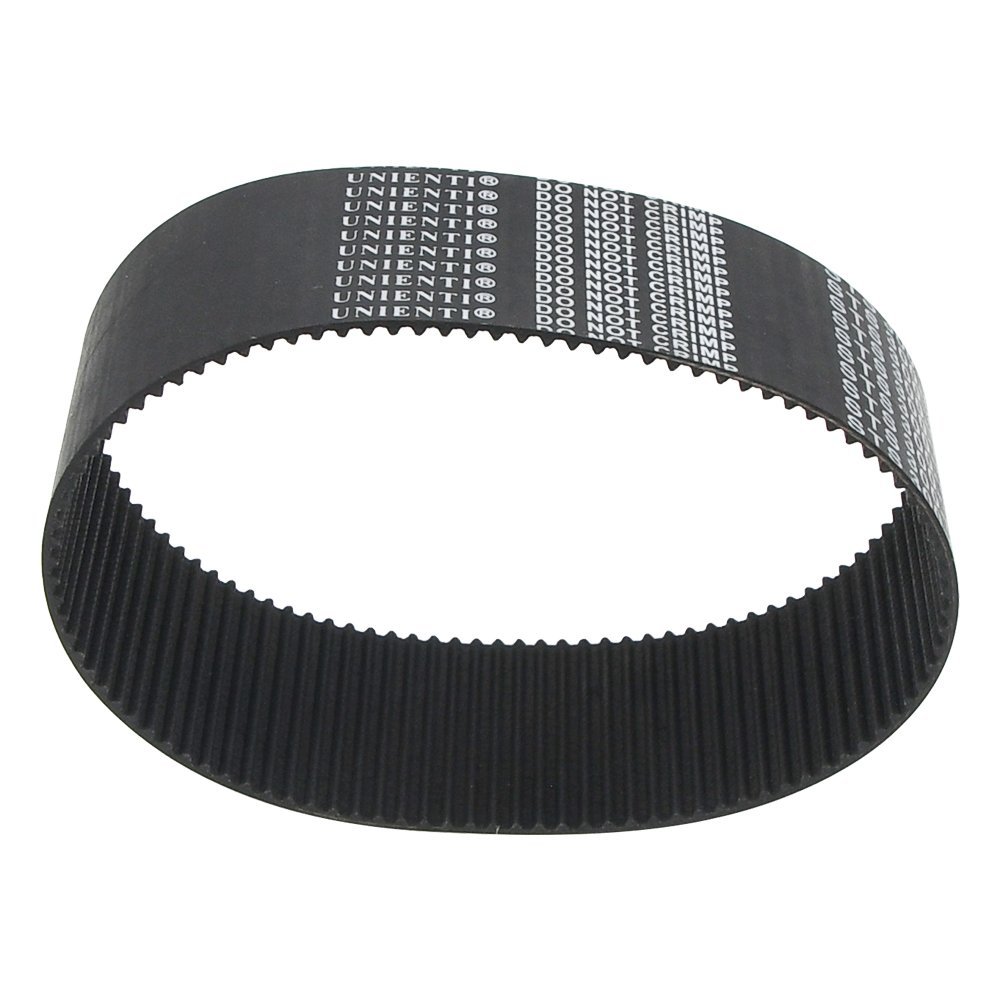
Ask which cover suits your cleaning routine
Email sales@goodlybelts.com with the material being conveyed, the cleaning agents you use, temperature and whether the area is washed down. We will suggest a cover and joint construction that stands up to that routine rather than one that has to be replaced early.
Ask about cover selection