Can you add cleats, sidewalls or bucket holes to a vulcanized belt?
- Share
- Issue Time
- Nov 24,2026
Direct answer: Yes. Cleats, sidewalls and punched bucket holes are routine fabrication on vulcanized belts. Cleats and sidewalls are fixed by hot bonding under pressure, which holds far better than room temperature adhesive, and the belt can also be supplied with a bare back for a slider bed or with a cover for grip. Bolt holes for buckets are punched in a jig so the pattern stays square and the pitch stays consistent along the belt. The two real constraints are the smallest pulley the belt has to pass and the section of belt left after punching.
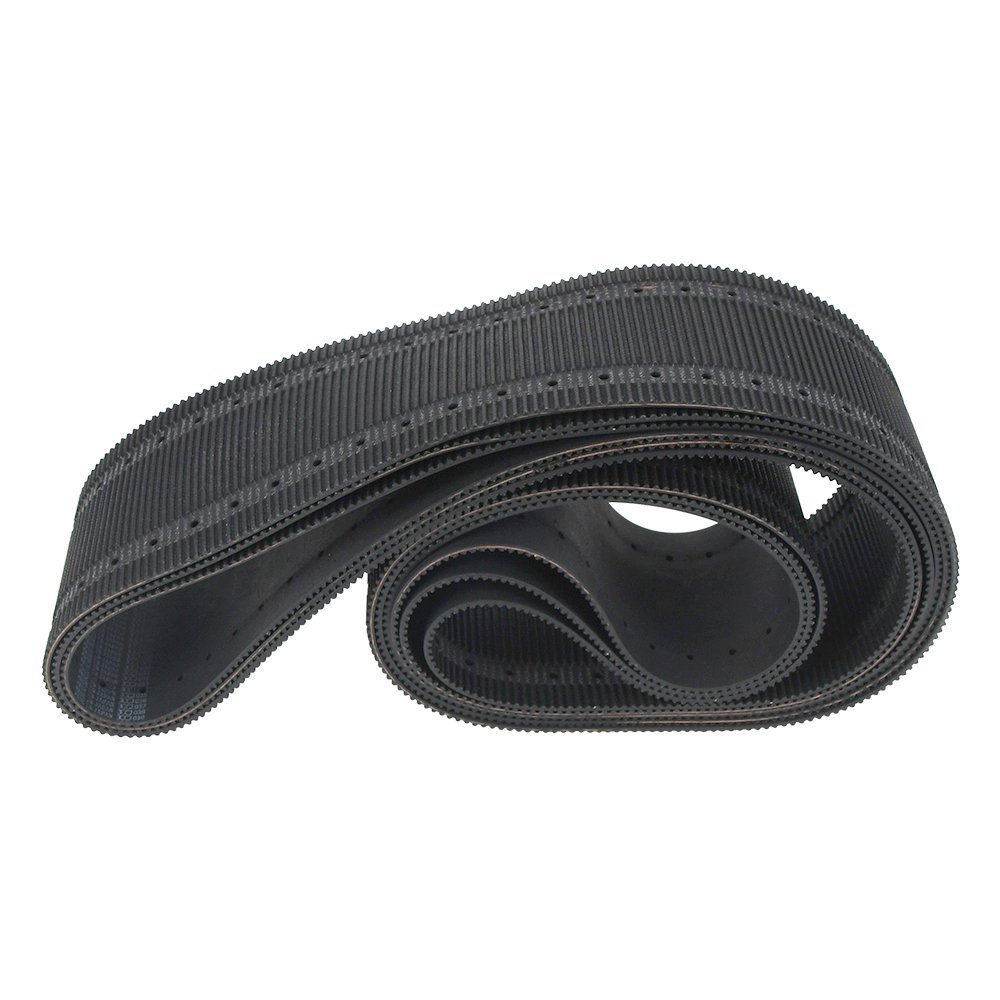
What can be added, and how it is fixed
| Feature | How it is fixed | Typical use | Main limit |
|---|---|---|---|
| Cross cleats | Hot bonded under pressure, or moulded with the belt | Inclined conveying, metering, bucket replacement | Cleat height must clear the smallest pulley |
| Sidewalls, also called skirts | Hot bonded along both edges | Preventing spill on steep inclines | Wall height and corner radius at the pulley |
| Bucket bolt holes | Punched in a jig, with or without reinforcement | Elevator and bucket conveyors | Removed section reduces tensile area |
| Bare back or grip cover | Built into the belt during manufacture | Slider bed or incline grip | Cover thickness changes the pulley diameter |
| Guide or tracking strips | Bonded to the back | Keeping a wide belt on centre | Strip must not run through a small bend |
Why hot bonding beats adhesive for cleats
A cleat sees a peeling load every time it drags material up an incline, and adhesive is weakest exactly where that load concentrates, at the edge of the bond. Hot bonding crosslinks the cleat rubber into the belt cover so the joint becomes part of the belt rather than a layer on top of it. In practice this decides whether a cleated belt lasts a season or a few weeks. A cleat bonded cold can look perfect on delivery and peel from one corner after the first week of running.
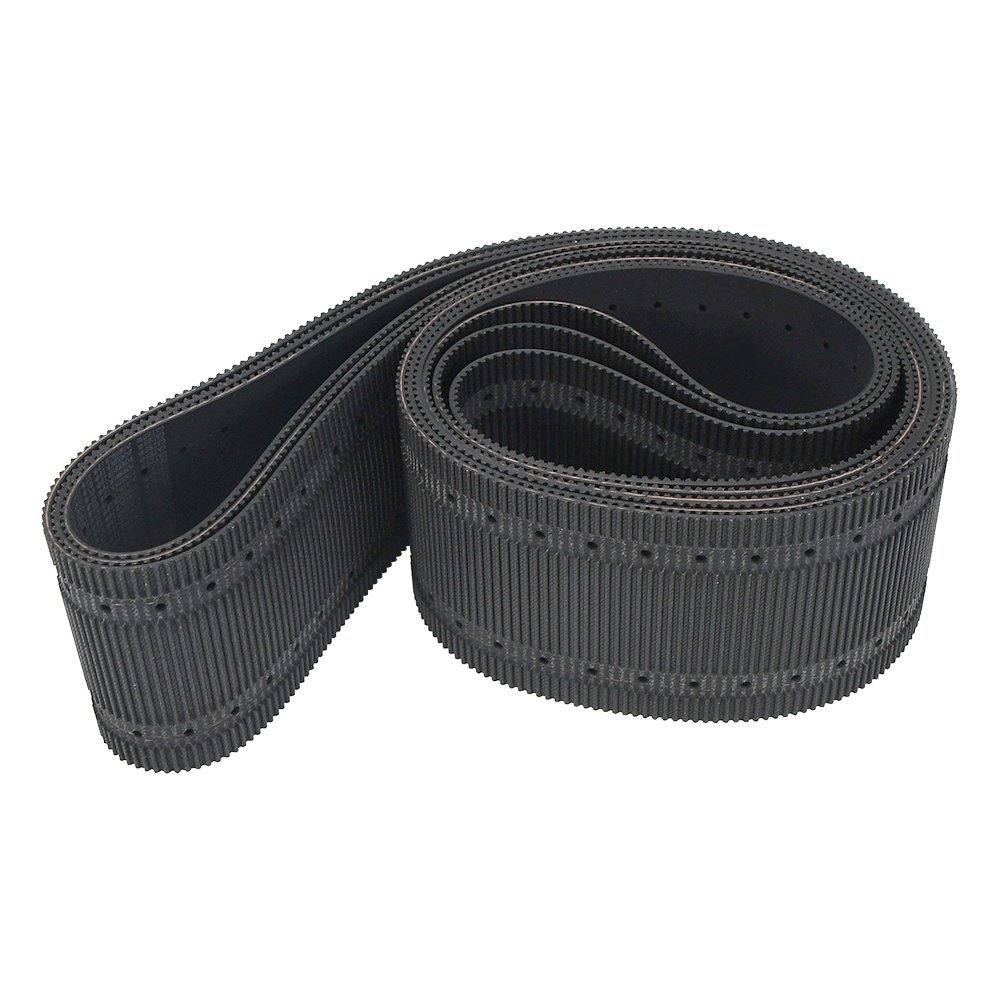
Details to put on the drawing
- Cleat profile, height, width and pitch, and whether cleats run straight across or in a chevron.
- Sidewall height, thickness and the distance from the belt edge, plus the corner radius at each end.
- Hole diameter, row spacing, pitch along the belt and the distance from the edge, with the bucket bolt size.
- The smallest pulley or roller the belt must pass, including any bend roller on the return run.
- Which face carries the cleats and which face runs on the pulley, so the belt is not built inside out.
- The joint position relative to the cleat pitch, because the cleats must line up across the joint.
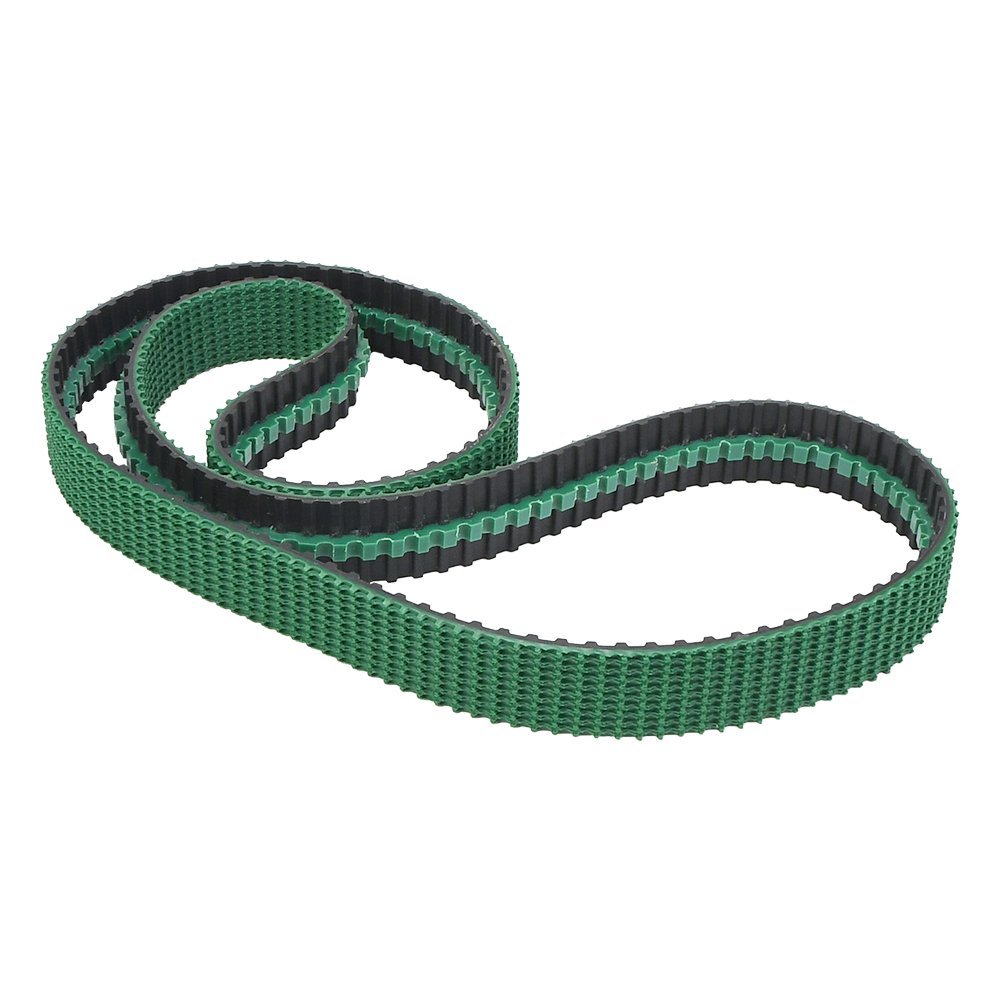
Send the drawing and we will check the fabrication
Email sales@goodlybelts.com with the belt length and width, cleat or sidewall dimensions, hole pattern, bucket bolt size and the smallest pulley. We will confirm what can be bonded or punched, what it does to the belt rating and how the joint should be positioned.
Ask about cleats and holes