What affects the price of a custom timing belt, and how can I reduce unit cost?
- Share
- Issue Time
- Nov 27,2026
Direct answer: The price of a custom timing belt is driven by five things: the pitch and tooth profile, the width, the length, the tensile cord and any extras such as ground teeth or coatings, and the quantity in the order. Wide belts in large pitches with special cords cost the most per piece, and one-off pieces cost far more per belt than the same belt bought in a batch. Most savings come from choices you make before asking for a quote, not from haggling afterwards.
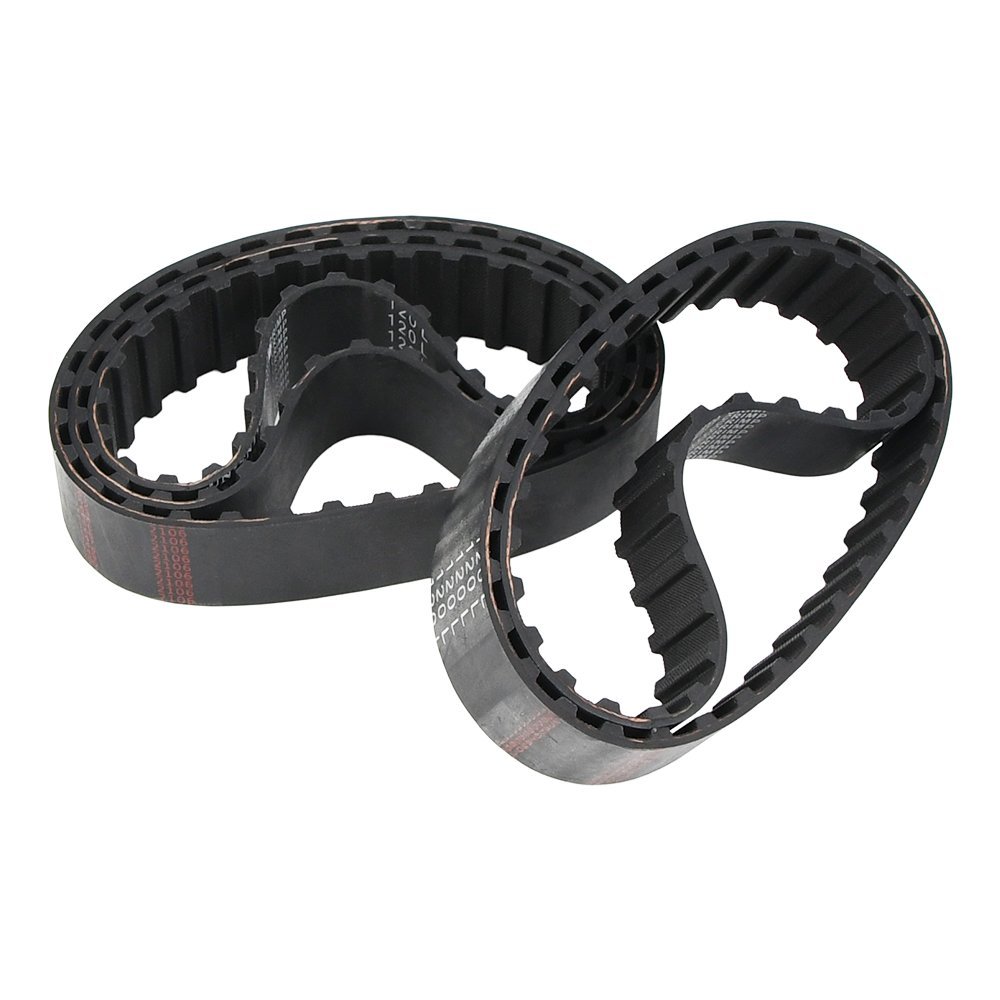
What drives the price up or down
| Cost driver | Raises the price | Keeps the price down |
|---|---|---|
| Pitch and profile | Large pitches such as 14M, rare or discontinued profiles, ground-tooth finishing | Common pitches such as 5M, 8M, T10, AT10 produced on existing tooling |
| Width | Extra-wide belts that need dedicated slitting setups | Standard widths that match existing production widths |
| Length | Very short or very long belts that need special handling | Lengths in the normal production range |
| Cord and cover | Aramid or special cords, fabric covers, coatings | Standard glass cord and standard rubber or PU body |
| Quantity | A single piece carrying the full setup cost | A batch that spreads setup over many belts |
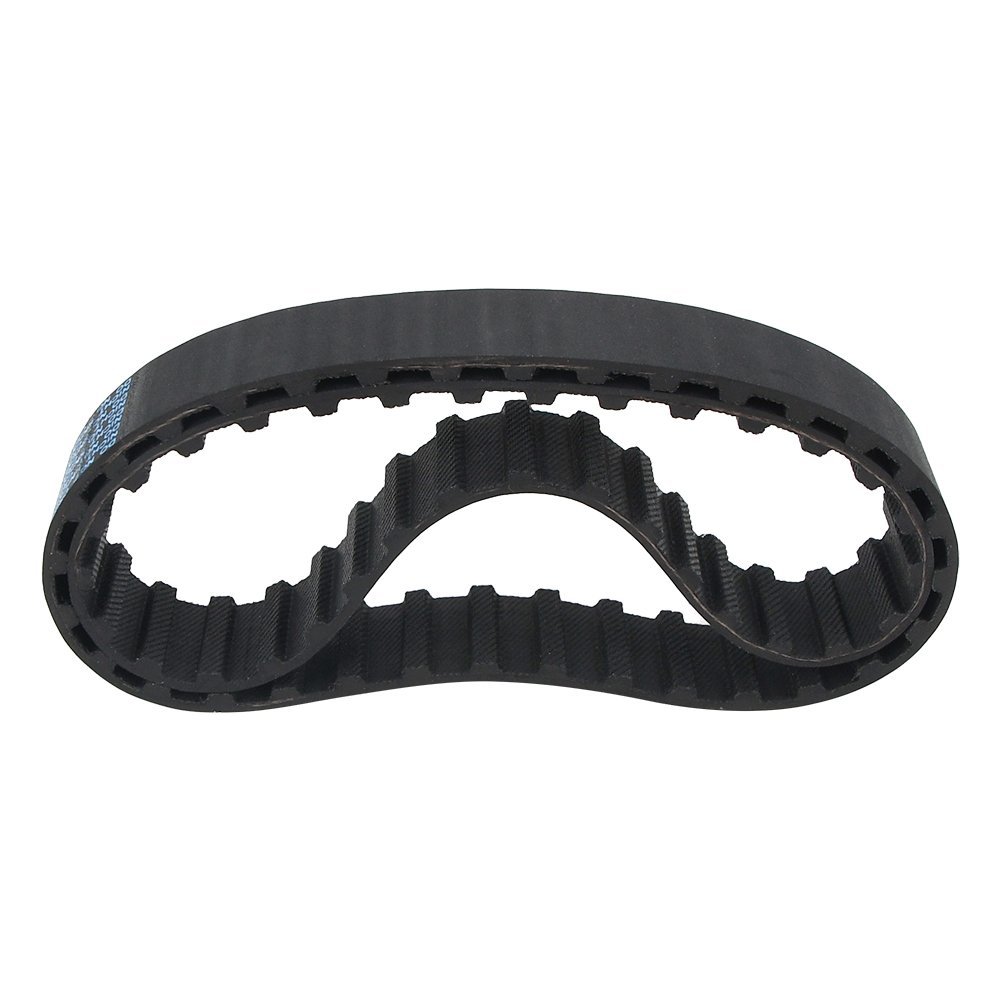
Practical ways to reduce the unit cost
- Stay in a common pitch family. A belt in 8M or AT10 with a standard cord is produced on existing tooling; an exotic pitch may need mould work that is billed separately.
- Order a realistic quantity. If the machine fleet needs six belts a year, a batch of six beats three separate one-piece orders in both unit price and freight.
- Combine models in one order. Different belts from the same production line can often be made in one run and shipped together.
- Skip grinding unless the application needs it. Ground teeth improve concentricity for positioning duty; for pure power transmission, moulded teeth are usually sufficient and cheaper.
- Keep the width honest. A belt wider than the load requires adds cost without adding life; let the drive data decide the width.
- Order spares with the first batch. The tooling and data are already set up, so extra pieces are much cheaper than a later emergency order.
What we quote on
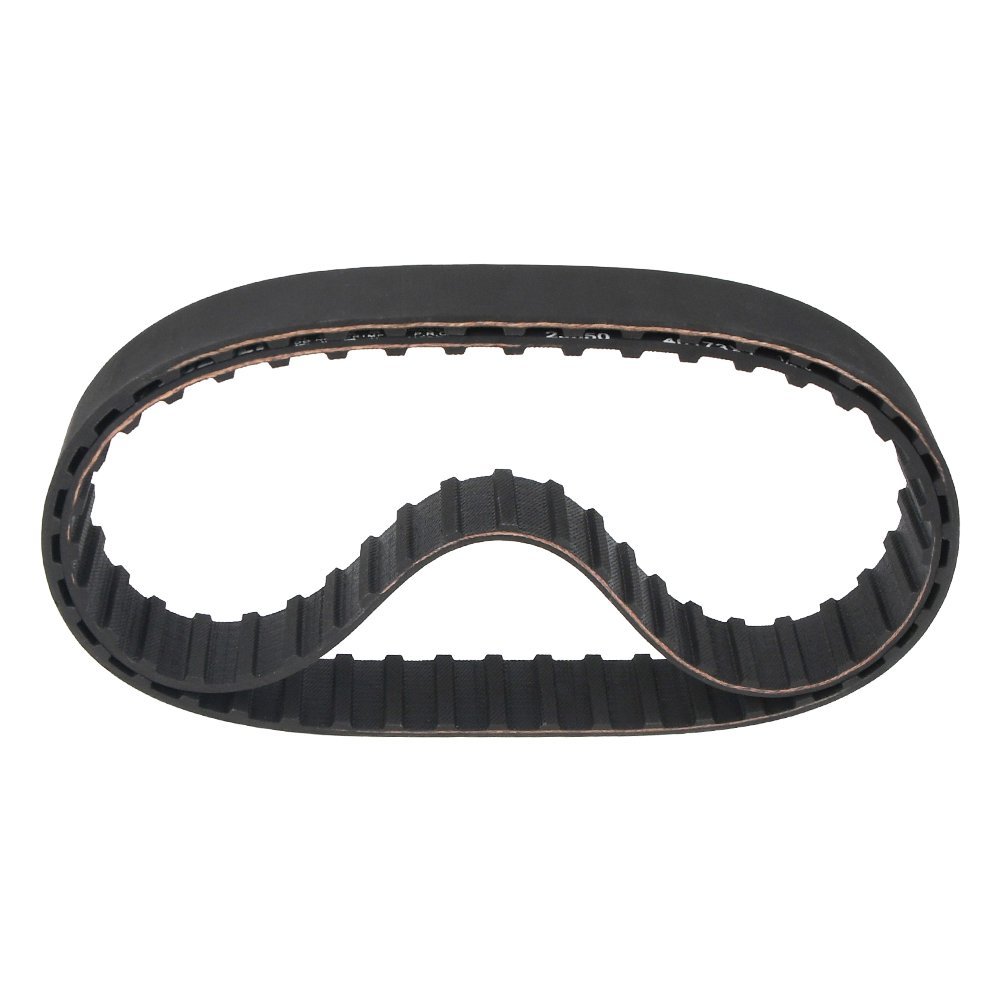
For an accurate price we work from the pitch, the tooth count or pitch length, the width, the cord and cover, the application, and the quantity. Sketches or a worn sample speed things up further. GOODLY is an independent manufacturer; competitor part numbers are used only as cross references to identify the belt system, never as a claim of affiliation. The quote states the unit price at the given quantity, so you can see directly how a larger batch changes the cost per belt.
Get a price on your custom belt
Email sales@goodlybelts.com with the pitch, length, width, cord, quantity and application. We will quote the unit price, show how a larger batch or a simpler construction moves the cost, and confirm the production lead time.
Request a custom belt quote