How are custom timing belts packed and shipped to avoid transit damage?
- Share
- Issue Time
- Nov 27,2026
Direct answer: Custom timing belts ship coiled or boxed with the teeth protected and the coil diameter kept well above the minimum pulley diameter of the belt. Coiling below that limit or flattening a belt under stacked cargo can permanently deform the cord or crush the teeth, which is why packing is specified per belt, not per carton. Cartons are sealed against moisture and cushioned so the box absorbs the handling.
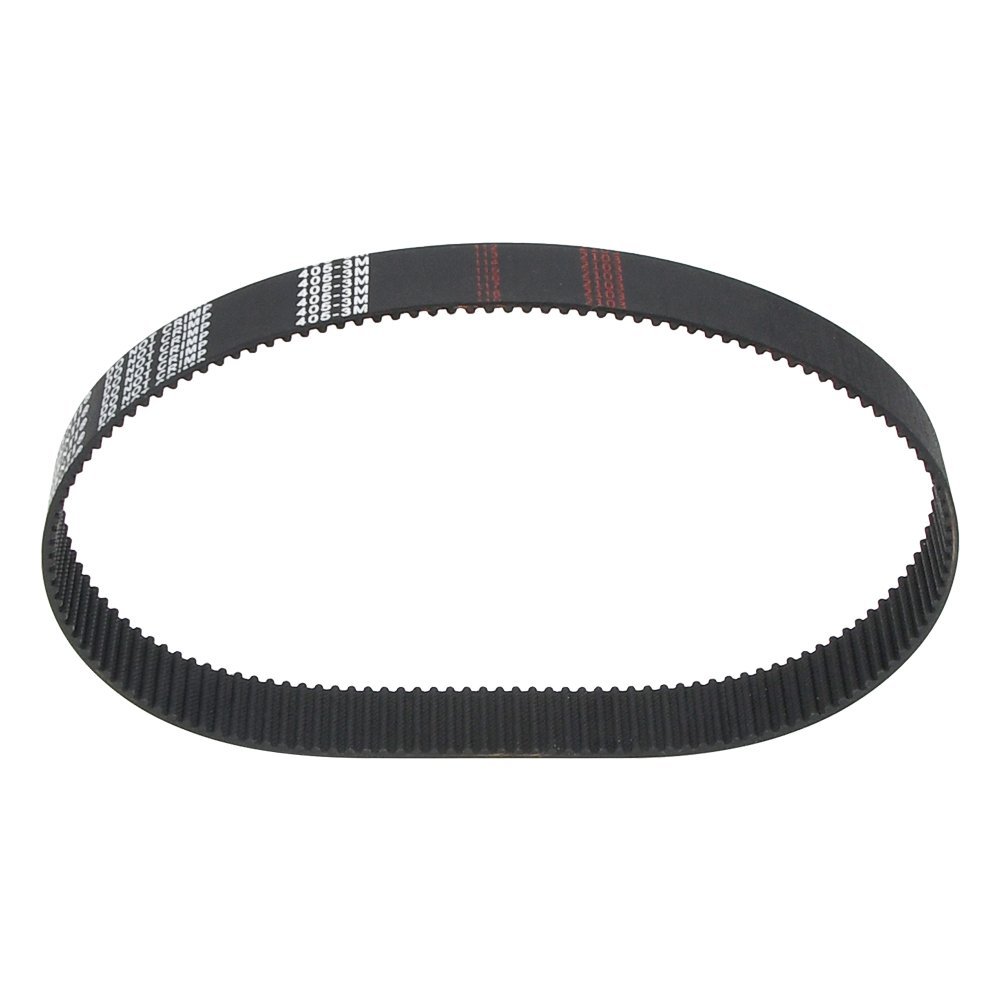
The packing rules that protect the belt
- Coil diameter: a belt is never coiled tighter than its minimum pulley diameter, and normally several times larger, so the cord is not over-stressed in storage.
- Tooth protection: the toothed face is wrapped or interleaved so the teeth do not print against themselves or the backing during transport.
- Short belts: small endless belts are boxed with soft separation between pieces so the teeth cannot grind against each other in transit.
- Long belts: long or wide belts are boxed straight, or coiled on a large diameter, so no section is forced into a tight bend.
- Moisture: cartons are sealed; belts tolerate humidity but packaging that wets and dries repeatedly marks the surface and the print.
- Stacking: cartons are marked so nothing is stacked on top that could flatten the belt inside.
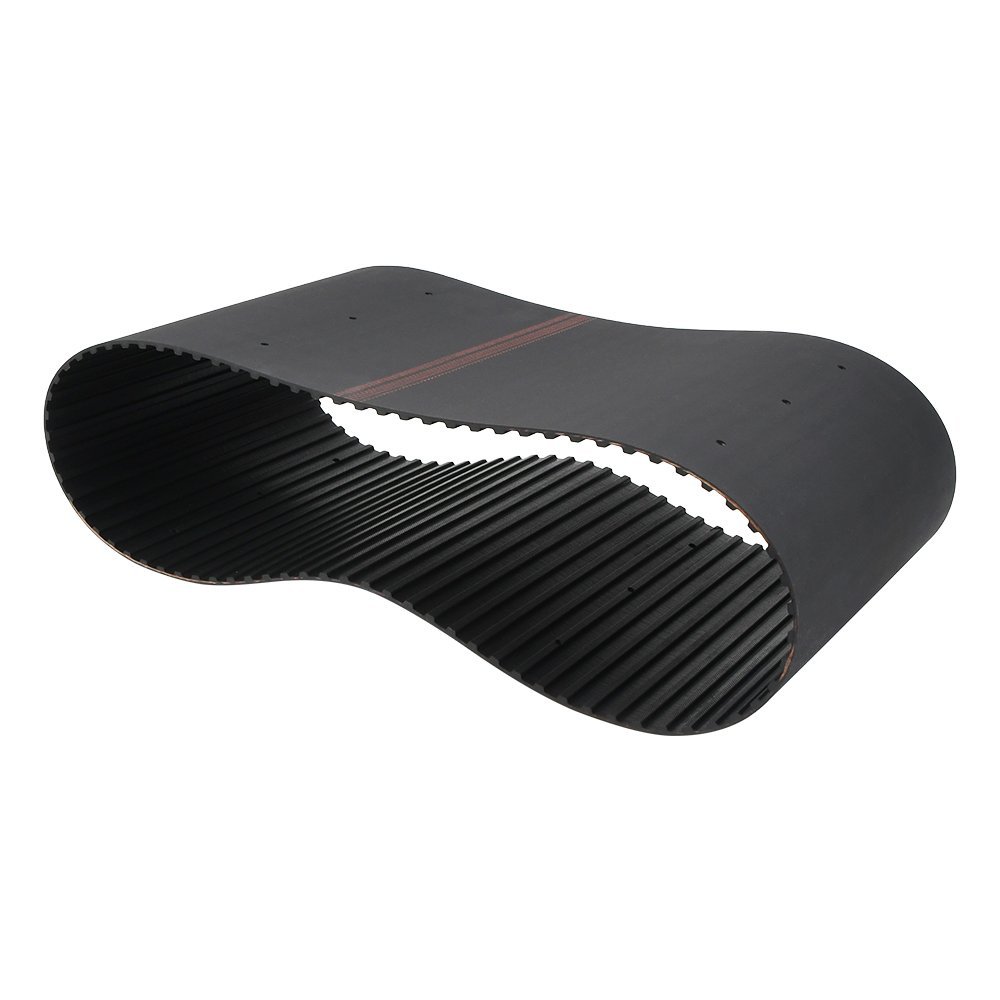
Shipping routes and lead time
Small batches travel well by express or air freight, which is the usual choice for urgent replacements and samples. Production batches for the USA or Mexico commonly move by air for speed or by sea for cost, and both routes are safe for timing belts when the packing rules above are followed. Production time and transit time are quoted separately, so you know exactly when the belt will arrive rather than a vague total. If your freight forwarder has packing or labelling requirements, tell us with the order and we will follow them.
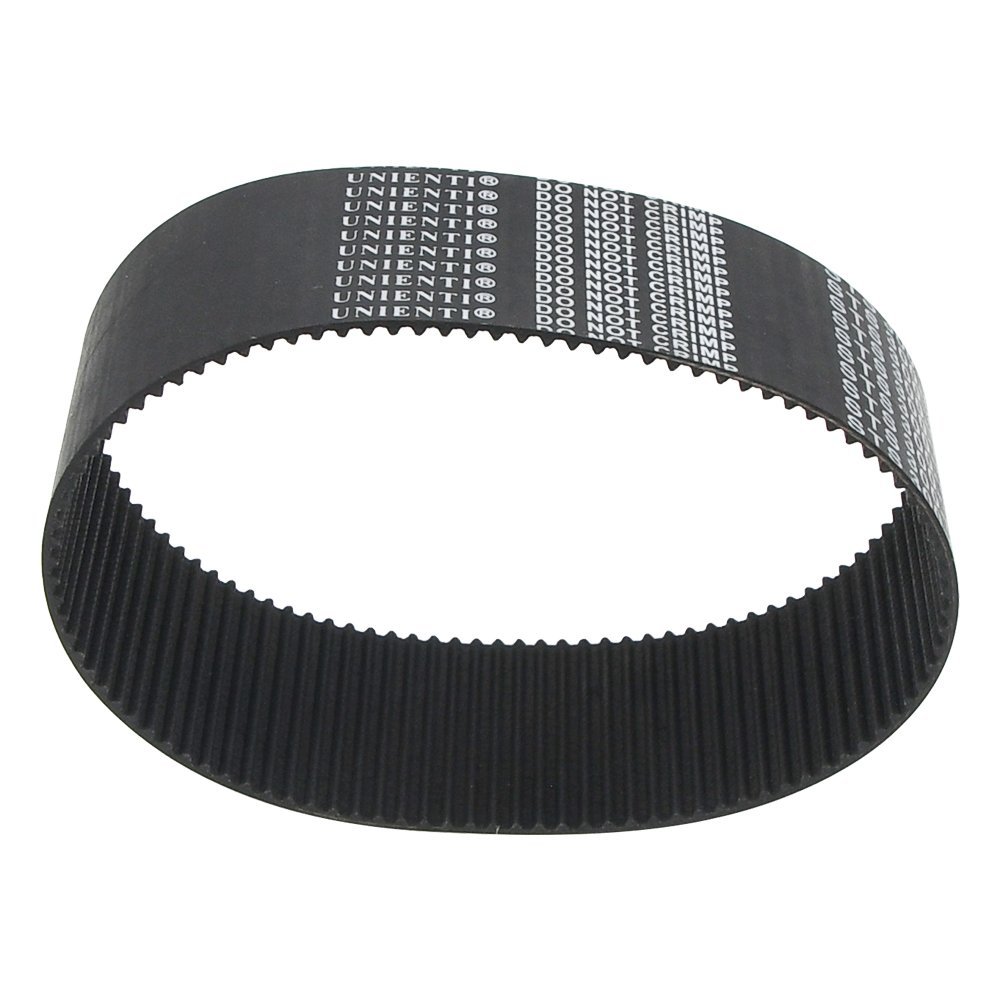
If something looks wrong on arrival
- Photograph the carton and the belt before opening further; carriers and insurers work from evidence.
- Check the teeth and the backing against the photos we send before dispatch, which are taken for every order.
- Report within a few days of arrival. Transit damage claims are handled fastest when reported immediately.
- Never install a belt with deformed teeth or a kinked cord. A damaged belt can fail early and take the drive with it.
Tell us how it must arrive
Email sales@goodlybelts.com with your belt specification and destination. We will confirm the packing method, the production lead time and the shipping options, and send packing photos with the dispatch documents.
Ask about packing and shipping