How long do PU timing belts last, and what shortens their service life?
- Share
- Issue Time
- Nov 27,2026
Direct answer: A PU timing belt has no fixed service life in hours. In a correctly tensioned, aligned and clean drive, PU belts commonly run from several months to several years depending on the load and duty cycle. What decides it is not the calendar but five factors: tension, pulley condition, alignment, environment and load. Inspect those five and the belt will tell you when it is ready to retire.
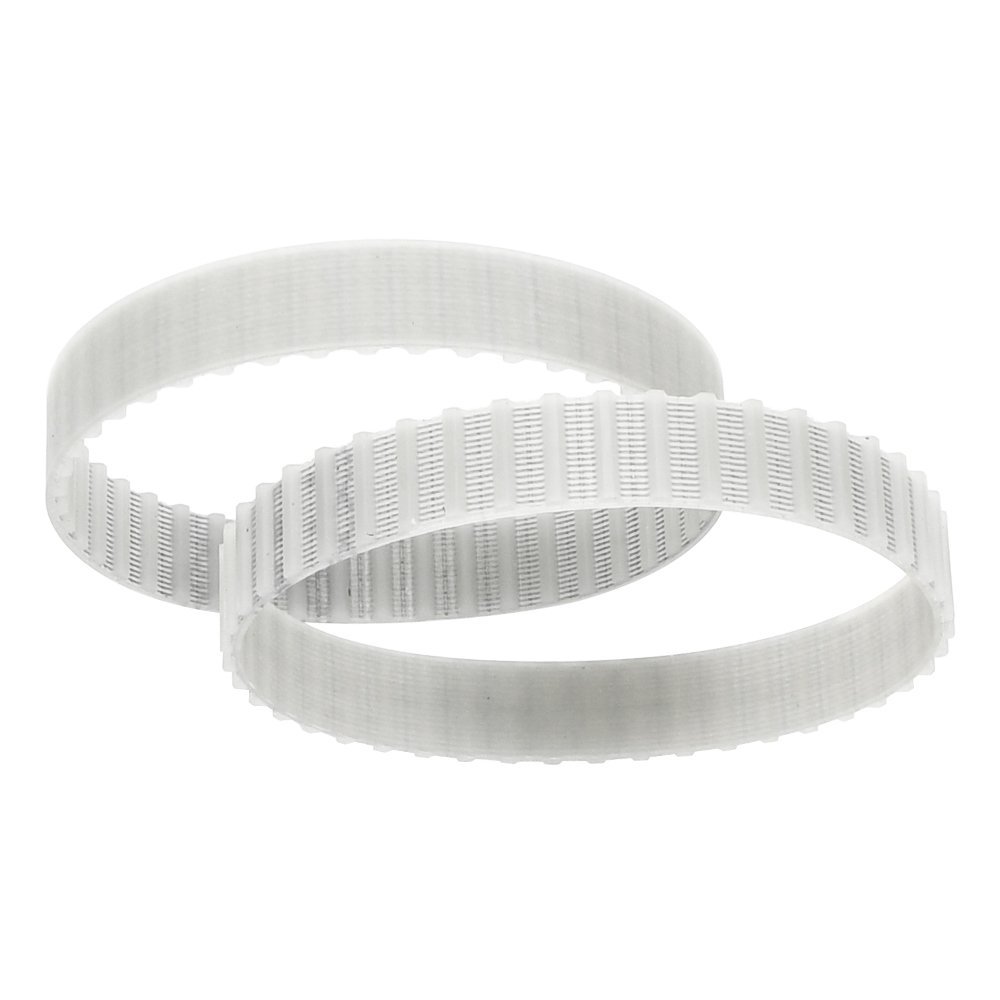
The five factors that decide belt life
| Factor | Shortens life when | What to do |
|---|---|---|
| Tension | Overtensioned: cords fatigue, bearings overload. Undertensioned: teeth jump and shear | Set tension per the manufacturer table and re-check after the first run-in hours |
| Pulley condition | Worn tooth flanks grind the belt teeth; damaged flanges cut the edges | Inspect pulleys at every belt change; replace worn pulleys with the belt |
| Alignment | Pulley misalignment saws the belt edges and loads the cord unevenly | Check parallelism and axial alignment at installation and after any maintenance |
| Environment | Heat, ozone, UV, oils and aggressive chemicals attack the PU body | Choose the right PU grade and cord; shield the drive where possible |
| Load | Frequent shock starts, reversing and overload fatigue the cords | Check the drive rating against the real duty; use a service factor margin |
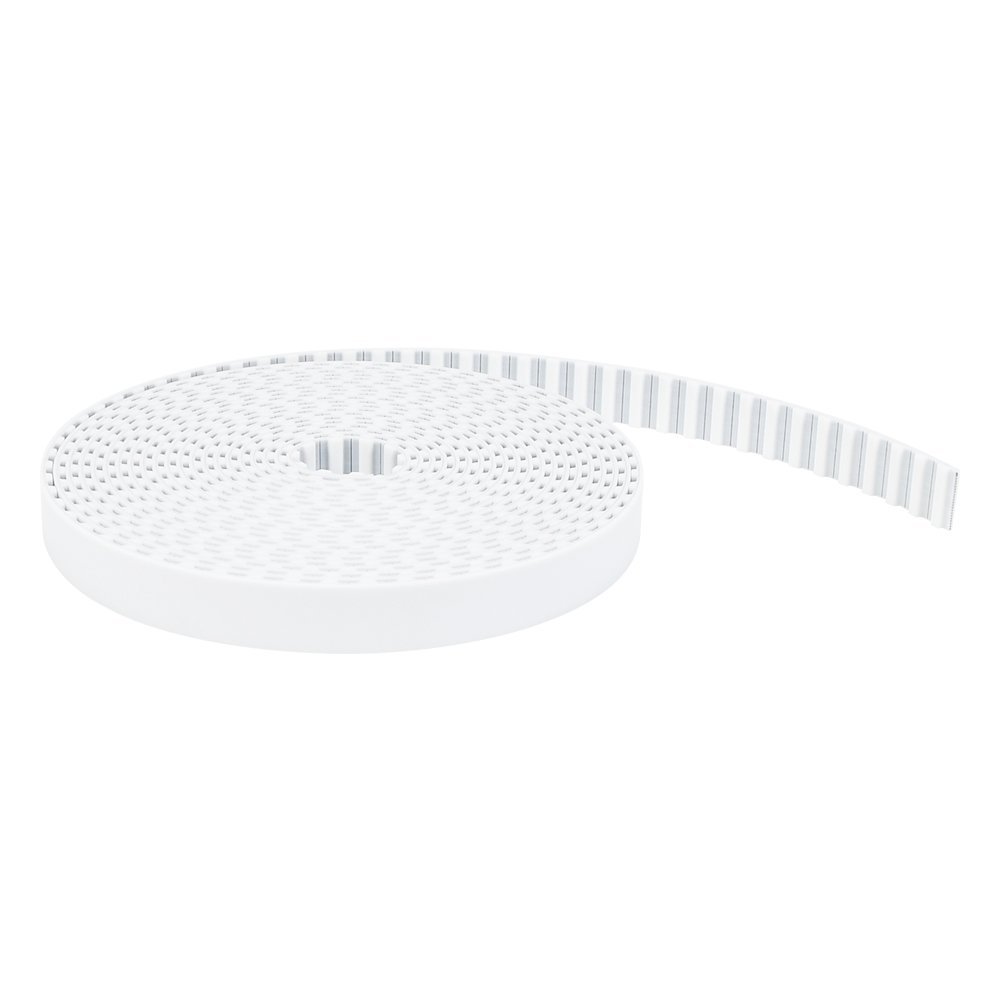
How to inspect: five minutes per drive
- Look at the tooth flanks: uniform polishing is normal; chipped corners or notch wear mean a pulley or tension problem.
- Check for cracks at the tooth root: cracking at the base of the teeth is the classic fatigue sign of overtension or small pulleys.
- Press the belt span and compare deflection with the installation record: a belt that keeps losing tension is telling you something about the drive.
- Look for edge wear and fraying: an edge that is sawing indicates misalignment before it becomes a failure.
- Listen: a whining belt is often overtensioned, a slapping belt undertensioned.
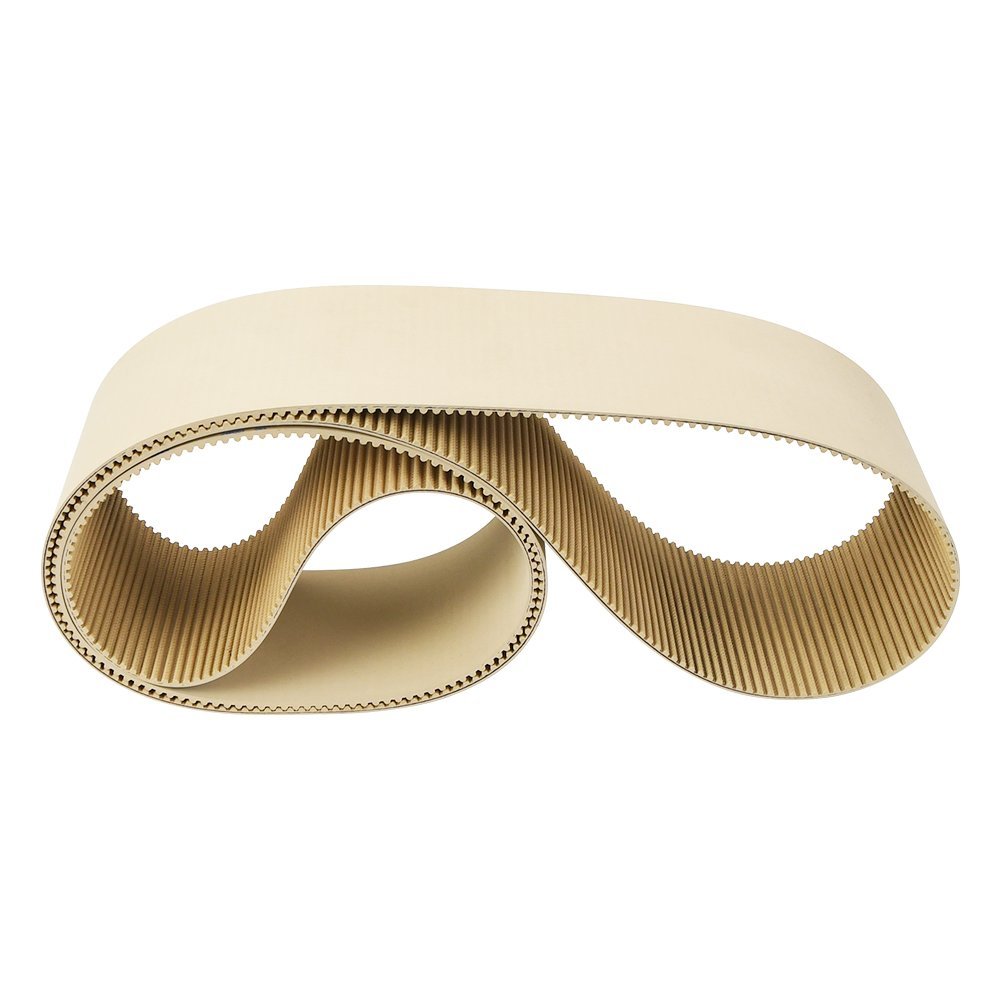
Plan the replacement, do not wait for the break
The cheapest belt is the one you replace on your own schedule. Keep a simple log of inspection findings per machine: after two or three inspections you will see the wear rate of that specific application and can order the next belt before the current one fails. When ordering, send the application and the inspection history with it; a belt selected for the real duty, with the right cord and PU grade, typically outlasts a generic replacement by a wide margin. GOODLY is an independent manufacturer and part numbers from other brands are used only to identify the matching belt system.
Get a belt sized for your real duty
Email sales@goodlybelts.com with the belt specification, the application and your inspection findings. We will recommend the right PU grade and cord, estimate a sensible replacement interval and quote the belt.
Request a belt recommendation