Can PU timing belts meet the precision of robotics and linear positioning?
- Share
- Issue Time
- Nov 27,2026
Direct answer: Yes. PU timing belts with steel or aramid tension cords are used every day in robot joints, gantry axes and linear positioning, because thermoplastic polyurethane holds its tooth pitch precisely and the cords barely stretch under load. Accuracy, however, is a system property: the belt supplies low stretch and a precise pitch, and the pulleys, mounting rigidity and tension supply the rest. Backlash is small but never zero, so a positioning design must account for it.
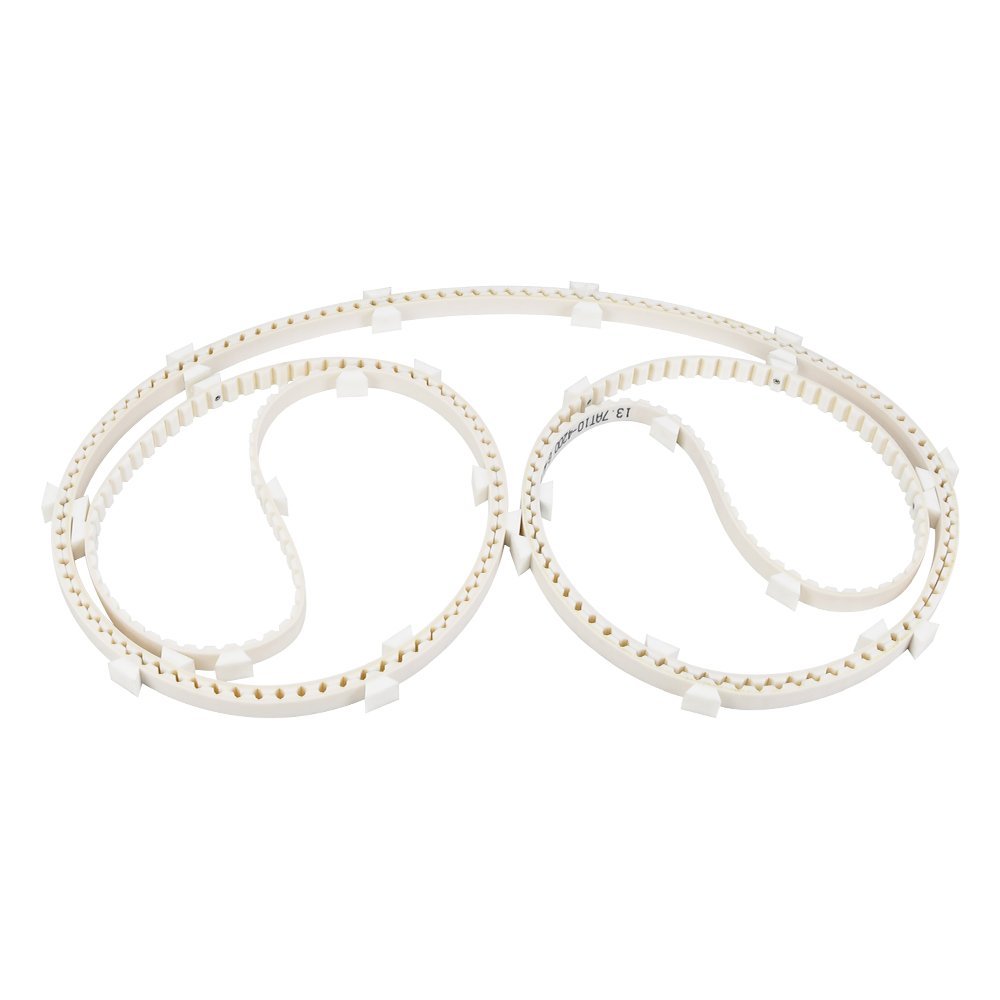
What gives a PU belt its positioning accuracy
- Cord selection: steel cords give the lowest elongation for stiff axes; aramid cords add stiffness at lower weight and suit high-speed carriages.
- Tooth pitch consistency: thermoplastic PU is moulded or extruded with a very consistent pitch, which is why long spans stay accurate.
- Ground-tooth finishing: grinding the teeth after forming improves concentricity and removes mould seams, which smooths motion at constant speed.
- Correct tension: too little tension lets teeth climb under acceleration; too much adds cord stress and bearing load. Both show up as positioning error.
- Rigid mounting: a flexing pulley bracket behaves like belt stretch. Accuracy is designed into the frame, not only into the belt.
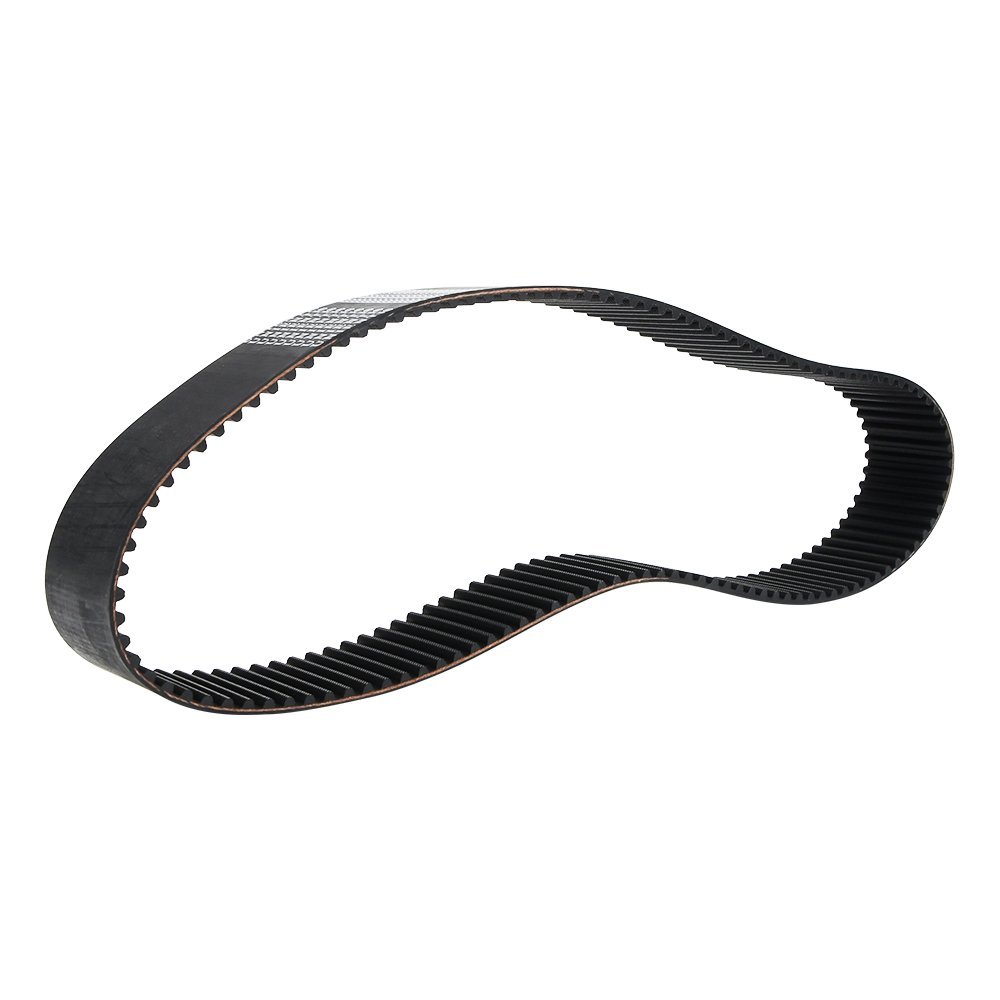
Backlash and the limits to plan for
A timing belt drive always has some backlash: the small clearance between tooth and pulley groove that lets the drive reverse direction. With matched pulleys and correct tension it is small, often a fraction of a tooth pitch, but it is not zero, and it grows as pulleys wear. High-precision servo designs either keep unidirectional approach, pre-load the belt with an idler or tensioner, or compensate backlash in the controller. Reversing axes and frequent start-stop cycles also stress the cords more than steady running, which argues for steel or aramid cords rather than glass in those applications.
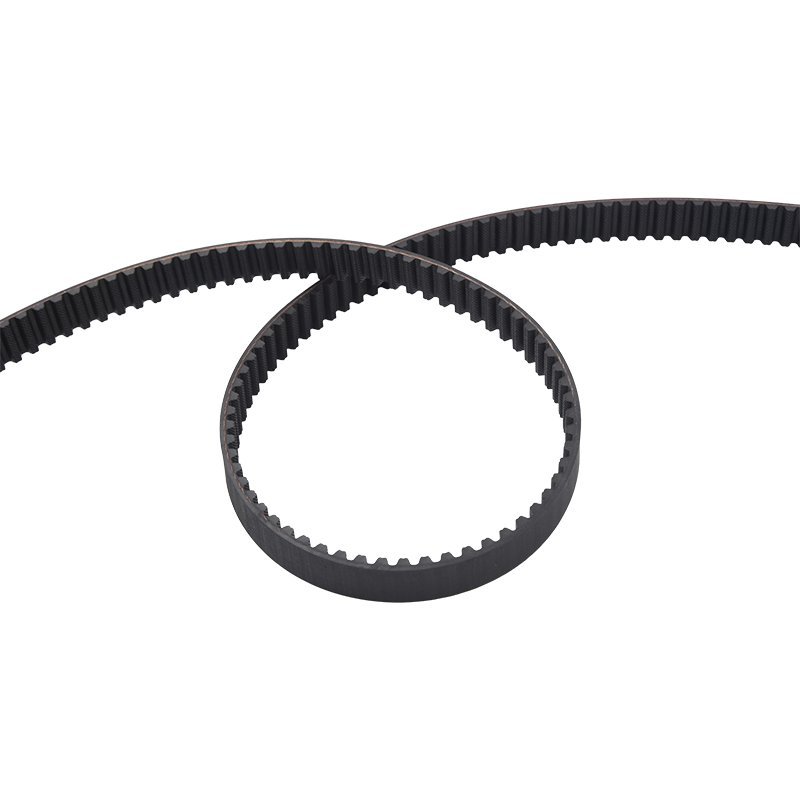
Specifying a positioning belt
- State the axis type, the travel length, the acceleration and the repeatability target, not just the belt size.
- Choose the pitch for the pulley diameter available: small joints may need fine pitches to keep enough teeth in mesh.
- Ask for ground teeth when the drive runs positioning duty; for pure conveying it is usually unnecessary cost.
- Confirm the cord with us against your inertia and duty cycle. We are glad to review the numbers before you order; GOODLY is an independent manufacturer and references to other brands serve only to identify the belt system.
Send the axis data and we will spec the belt
Email sales@goodlybelts.com with the axis type, travel, acceleration and accuracy target. We will propose the pitch, width, cord and tooth finishing, check the teeth-in-mesh and quote the belt with its options.
Get a positioning belt quote