What details do I need to send for a vulcanized belt quotation?
- Share
- Issue Time
- Nov 27,2026
Direct answer: A usable quotation needs five groups of details: the belt type and structure, the width, the thickness, the length or the pulley data to calculate it, and the working conditions. Add the cover material or what the belt transports, the joint preference and the quantity, and we can quote without asking a single follow-up question. If the old belt is worn out, photos plus measurements are enough to reconstruct the specification.
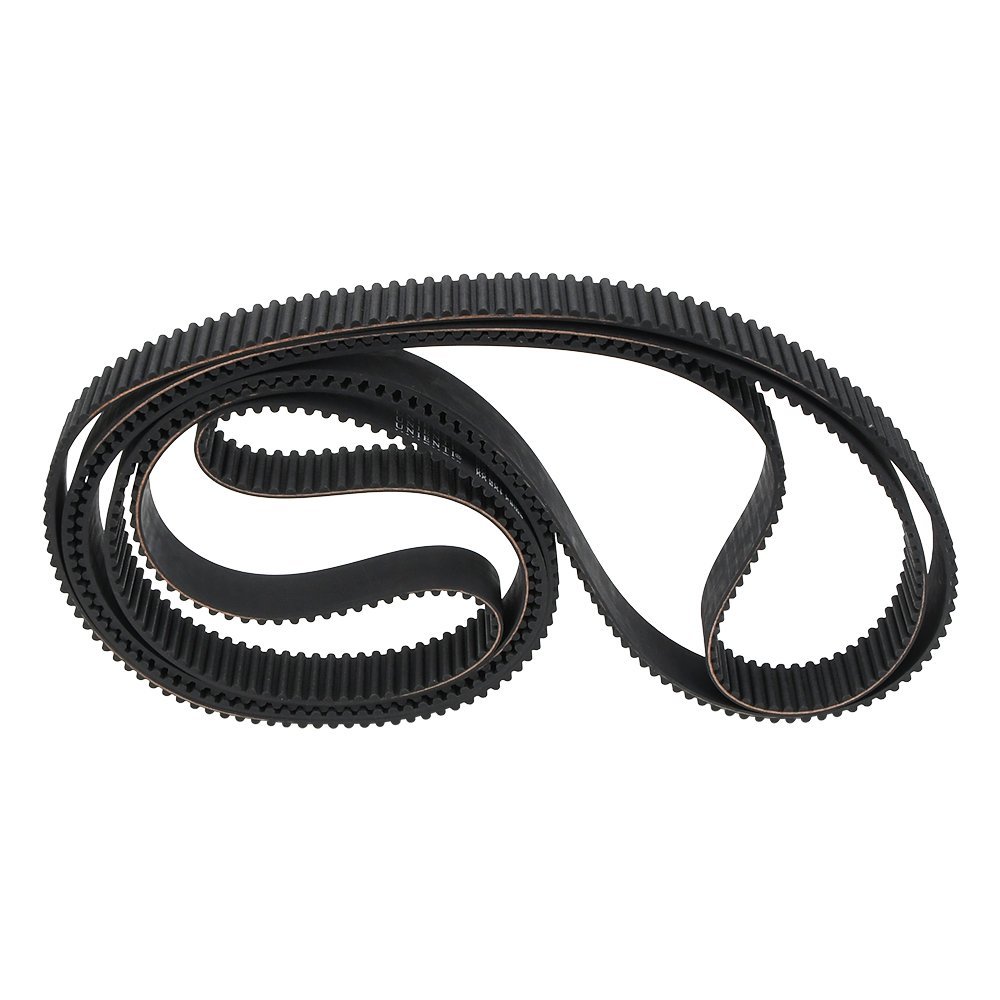
The five details that fix the price
| Detail | Why it matters | If you do not know it |
|---|---|---|
| Belt type and structure | Flat belt, profiled or cleated belt, and the ply or core construction set the base price | Send photos of the belt top, bottom and edge |
| Width | Determines material use and whether existing production widths can be used | Measure across the belt face with a tape |
| Total thickness | Indicates the ply count and the load class | Measure with a caliper on a cut or worn edge |
| Length or pulley data | The length is the headline cost driver | Measure the old belt, or send pulley diameters plus centre distance |
| Working conditions | Temperature, load, speed and chemicals decide the cover and compound | Describe the machine and what the belt carries |
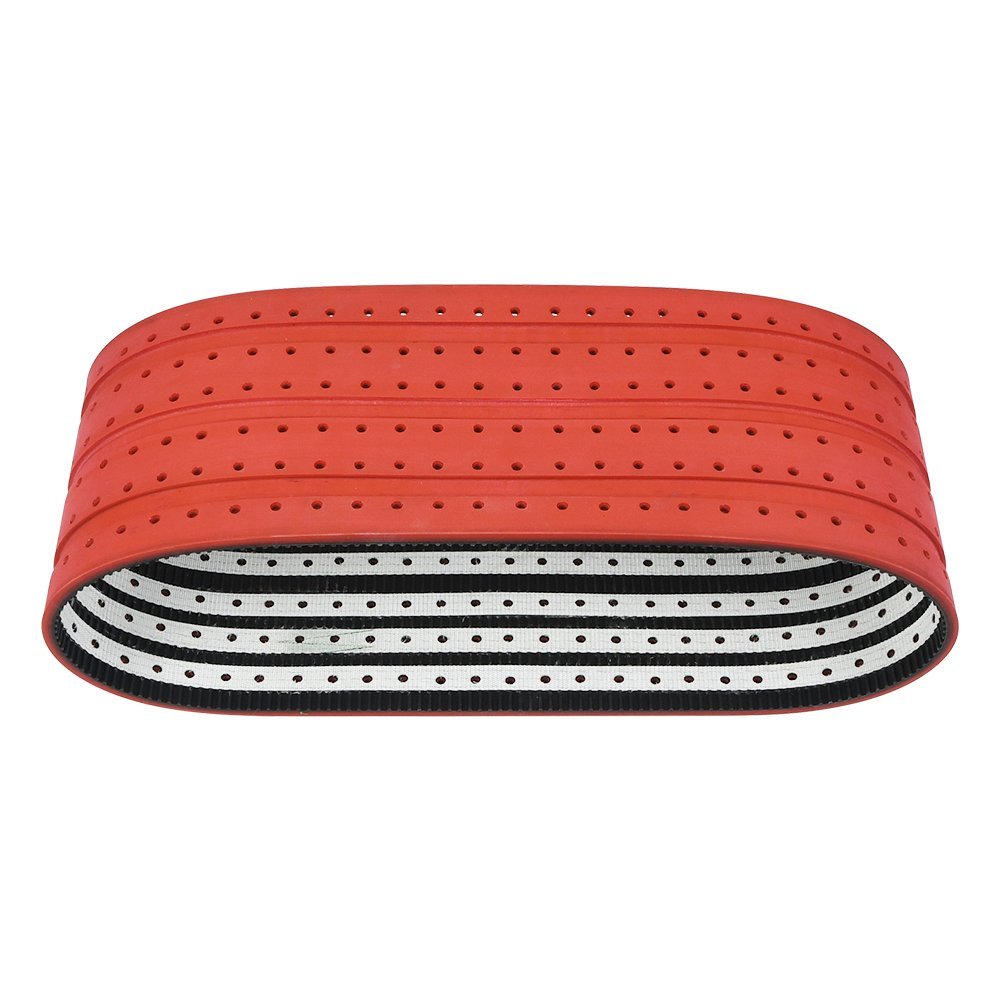
How to measure a worn belt correctly
- Measure the belt on a flat surface, not hanging: a stretched or twisted belt lies about its length.
- Measure the pitch length or the circumference, and note whether the belt has a joint and where.
- Measure thickness on several points and take the highest consistent reading; a worn cover reads thinner than the original.
- Photograph the joint, the edge and the cover surface; the photos often reveal the structure faster than words.
- Note the machine model if known; common machine types map quickly to standard belt constructions.
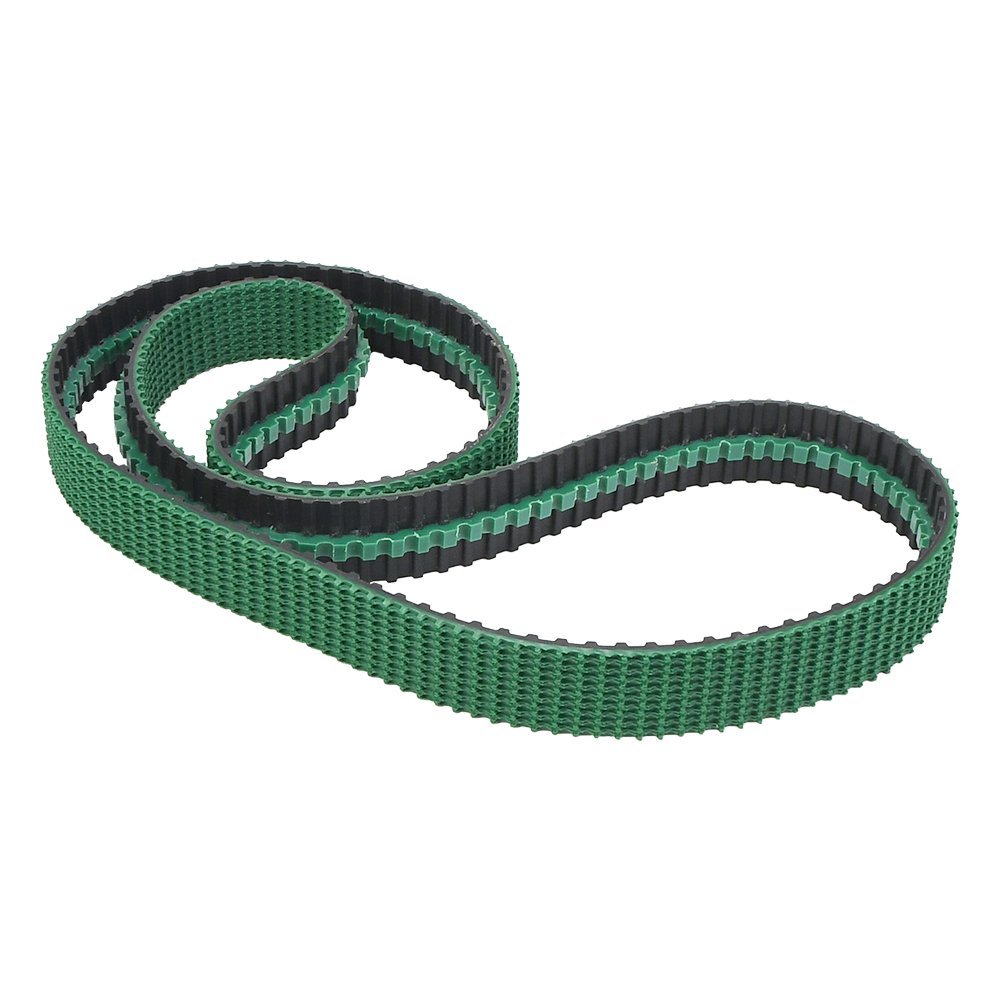
Extras worth stating upfront
- Joint position preference: some machines can only accept a joint at a certain point in the loop.
- Cover requirements: antistatic, oil-resistant, food-compatible or high-temperature covers change the compound and the price.
- Accessories: cleats, sidewalls or guide profiles are quoted with the belt if declared now, not later.
- Quantity and spares: a batch usually improves the unit price, and packing is planned per quantity.
- Deadline: if the machine is down, say so; production can sometimes be prioritised.
When in doubt, send photos and rough numbers rather than waiting for perfect measurements. We will come back with the questions that matter, and the quote follows.
Send the details, get the quote
Email sales@goodlybelts.com with the belt dimensions, photos and working conditions. We will confirm the specification, propose the right construction and return a quotation with production lead time and shipping options.
Request a vulcanized belt quote